

Chronic Hives Won't Go Away? A Step-by-Step Protocol to Finally Find Your Triggers
Finding chronic hives triggers requires testing three categories systematically: autoimmune markers, physical stimuli, and hidden infections or intolerances.
This article is for general informational purposes only and is not a substitute for professional medical advice, diagnosis, or treatment. Always consult a qualified healthcare provider with questions about a medical condition.
That Moment When Hives Become Your Unwanted Roommate
Six weeks. That's the medical cutoff that transforms ordinary hives into chronic spontaneous urticaria (CSU). And if you've crossed that threshold, you already know the frustration: random welts appearing at 3 AM, disappearing by your dermatology appointment, then returning during your most important meeting.
Here's what makes CSU particularly maddening. In roughly 50% of cases, no obvious external allergen exists. Your body is essentially attacking itself—mast cells releasing histamine without a clear invader. But "no obvious cause" doesn't mean "no cause." It means the trigger is hiding, and finding it requires detective work most patients never learn to do.
I spent months talking with allergists and immunologists about their systematic approaches. What emerged was a three-category framework that transforms random guessing into methodical investigation.
Why Traditional Allergy Testing Often Fails CSU Patients
You've probably already done the standard panel. Dust mites, pollen, pet dander, common foods—all negative. This doesn't mean testing is useless. It means you're looking in the wrong places.
A 2024 study in Allergy journal tracked 847 CSU patients through comprehensive trigger identification protocols. The findings challenged conventional approaches: only 12% had positive results on standard IgE allergy panels, but 67% eventually identified contributing factors through expanded testing methods.
The disconnect? Standard panels test immediate allergic reactions. CSU often involves different mechanisms entirely—autoimmune processes, physical triggers, chronic infections, or pseudoallergic reactions that don't show up on conventional tests.
Dr. Marcus Maurer's research team at Charité Berlin has pioneered this expanded approach. Their protocol divides investigation into three distinct categories, each requiring different testing methods and different patience levels.
Category One: The Autoimmune Connection
This is where CSU gets genuinely surprising. Between 30-50% of chronic hives cases involve autoantibodies—your immune system producing antibodies that trigger your own mast cells.
Two main culprits dominate this category. The first: anti-FcεRI antibodies, which directly activate mast cells. The second: anti-thyroid antibodies, which correlate strongly with CSU even when thyroid function appears normal.
The thyroid connection deserves special attention. A patient can have perfectly normal TSH, T3, and T4 levels while harboring thyroid peroxidase (TPO) antibodies that somehow contribute to chronic hives. The 2025 JACI guidelines now recommend thyroid antibody testing for all CSU patients, regardless of thyroid symptoms.
Practical step: Request a complete thyroid panel including TPO and thyroglobulin antibodies, plus a basophil activation test if available. The basophil test can identify that autoimmune mechanism in about 45 minutes using a blood sample.
Category Two: Physical Triggers You Might Be Ignoring
Pressure on your skin. Cold air. Heat from exercise. Vibration from power tools. Water (yes, water). These physical triggers affect roughly 15-20% of CSU patients, often overlapping with spontaneous episodes.
The challenge: physical urticaria frequently goes unrecognized because patients focus on what they ate, not what they experienced physically. One patient I spoke with spent eight months eliminating foods before realizing her hives consistently appeared after carrying heavy grocery bags—delayed pressure urticaria, triggered 4-6 hours after sustained pressure.
Systematic physical testing involves deliberate provocation under controlled conditions:
Dermatographism test: Firm stroking of forearm skin with a tongue depressor. Positive result shows raised wheal within 10 minutes.
Ice cube test: Ice in plastic bag applied to forearm for 5 minutes. Wheal appearing during rewarming suggests cold urticaria.
Exercise challenge: Monitored physical activity to identify cholinergic urticaria, which affects roughly 11% of CSU patients.
Pressure test: 7 kg weight suspended from shoulder strap for 15 minutes. Delayed swelling 4-8 hours later indicates delayed pressure urticaria.
These tests sound simple—because they are. Yet most patients have never had them performed systematically.
Category Three: Hidden Infections and Intolerances
This category requires the most patience and generates the most controversy. Some triggers in this group have strong evidence; others remain debated.
The strongest evidence exists for Helicobacter pylori, the stomach bacterium. A meta-analysis of 27 studies found H. pylori eradication improved CSU symptoms in 73% of infected patients. That's a remarkable response rate for a condition often considered untreatable. Standard testing: urea breath test or stool antigen.
Chronic dental infections represent another overlooked category. Root canal failures, hidden periodontal abscesses, and chronic tonsillitis have all been documented as CSU triggers in case series. The mechanism likely involves chronic immune activation rather than direct allergy.
Pseudoallergic food reactions differ from true allergies. They don't involve IgE antibodies, so standard allergy tests miss them entirely. Common culprits include natural salicylates in fruits and vegetables, histamine in aged foods, and various food additives. Identifying these requires elimination diets lasting 3-4 weeks—longer than most patients attempt before abandoning the approach.
Building Your Personal Investigation Timeline
Scattered testing produces scattered results. The 2025 JACI guidelines recommend a structured 12-week investigation protocol:
Weeks 1-2: Baseline documentation. Daily photos with timestamps. Symptom diary noting potential triggers, stress levels, sleep quality, and menstrual cycle if applicable. This baseline reveals patterns invisible to memory alone.
Weeks 3-4: Blood work phase. Complete blood count, thyroid panel with antibodies, liver function, inflammatory markers (CRP, ESR), and if available, total IgE and tryptase levels. H. pylori testing fits here too.
Weeks 5-6: Physical trigger testing. Either self-administered with careful documentation or performed in an allergist's office. Test one trigger type per day, documenting results photographically.
Weeks 7-10: Elimination diet if previous steps inconclusive. Start with a low-histamine, low-salicylate baseline, then systematically reintroduce food categories every 3-4 days.
Weeks 11-12: Analysis and treatment planning. By now, you've either identified triggers or confirmed truly spontaneous CSU requiring different management strategies.
When Investigation Points to Autoimmune CSU
Let's say your testing reveals elevated TPO antibodies, positive basophil activation test, and no identifiable physical or dietary triggers. You're looking at autoimmune CSU—and this actually provides useful direction.
Antihistamines remain first-line treatment, but autoimmune CSU often requires higher doses. The 2025 guidelines support up-dosing second-generation antihistamines to four times standard dose before adding other medications. That means 40mg of cetirizine daily instead of 10mg, for example.
Omalizumab (Xolair) has transformed autoimmune CSU treatment. Originally developed for allergic asthma, it blocks IgE binding and reduces mast cell activation. Response rates in autoimmune CSU reach 65-75% within 12 weeks.
Newer options are emerging. Ligelizumab, a next-generation anti-IgE antibody, showed superior response rates in phase 3 trials published in late 2024. Dupilumab, already approved for eczema and asthma, is being studied for antihistamine-resistant CSU with promising early results.
The Triggers That Deserve More Attention
Some trigger categories receive insufficient investigation in standard workups:
Chronic sinusitis: Persistent sinus inflammation maintains low-grade immune activation. Patients with CSU and chronic sinusitis sometimes see hives improve dramatically after aggressive sinus treatment.
Hormonal fluctuations: Many women report CSU worsening premenstrually or during perimenopause. Progesterone sensitivity testing exists but isn't widely available. Tracking symptoms against menstrual cycles can reveal patterns worth discussing with gynecology.
Medication-induced: NSAIDs worsen CSU in roughly 30% of patients, even when taken for years without apparent problems. ACE inhibitors can trigger angioedema that mimics CSU. Beta-blockers may interfere with epinephrine response during severe reactions.
Stress and sleep: Not "all in your head," but genuinely physiological. Cortisol dysregulation from chronic stress directly affects mast cell stability. Sleep deprivation increases inflammatory markers. These factors don't cause CSU but absolutely modulate severity.
Documentation That Actually Helps Your Doctor
Most symptom diaries fail because they're either too vague or too detailed. The sweet spot: capture timing, severity, location, and two potential triggers per episode.
A useful entry looks like this: "March 15, 6:45 PM. Moderate hives, torso and thighs. Started 2 hours after gym workout. Ate leftover salmon for lunch (12 hours prior). Stressful work meeting at 4 PM."
This gives your allergist multiple hypotheses: exercise-induced, histamine from aged fish, or stress-related. Three data points per episode, multiplied across weeks, reveals patterns.
Photographic documentation matters enormously. Hives that vanish before appointments leave doctors guessing. Timestamped photos prove severity, distribution, and timing in ways descriptions cannot.
Moving Forward When Triggers Remain Elusive
Some patients complete exhaustive investigation and find nothing. This isn't failure—it's information. Truly idiopathic CSU exists, and knowing you've ruled out identifiable triggers actually simplifies treatment decisions.
The good news: CSU spontaneously resolves in roughly 50% of patients within 5 years. The challenging news: that means 50% continue longer. But treatment options have expanded dramatically. Between high-dose antihistamines, omalizumab, and emerging biologics, most patients can achieve significant symptom control even without identifying specific triggers.
The investigation process itself provides value beyond trigger identification. Understanding your specific CSU pattern—autoimmune versus physical versus mixed—guides medication choices and sets realistic expectations.
Start with the systematic approach. Document carefully. Test methodically. And remember that the 50% of cases labeled "idiopathic" often just haven't been investigated thoroughly enough yet.
📊 Key Stats
Three Categories of CSU Trigger Investigation
| Category | Common Triggers | Testing Methods | Timeline |
|---|---|---|---|
| Autoimmune | Anti-FcεRI antibodies, TPO antibodies, thyroglobulin antibodies | Basophil activation test, complete thyroid panel with antibodies | Results in 1-2 weeks |
| Physical | Pressure, cold, heat, vibration, dermatographism, water | Provocation tests (ice cube, dermographism, pressure, exercise) | Results same day to 24 hours |
| Hidden Infections/Intolerances | H. pylori, dental infections, pseudoallergic food reactions, chronic sinusitis | Breath test, stool antigen, dental imaging, 3-4 week elimination diet | Results in 3-6 weeks |
Systematic investigation should address all three categories before concluding CSU is truly idiopathic.
❓ Frequently Asked Questions
How long do I need to have hives before it's considered chronic urticaria?
Why didn't my standard allergy panel find anything?
Should I get tested for thyroid problems even if I feel fine?
How do I know if my hives are triggered by physical factors?
Can stress really cause chronic hives?
How long should I try an elimination diet before giving up?
What if I complete all testing and still find no triggers?
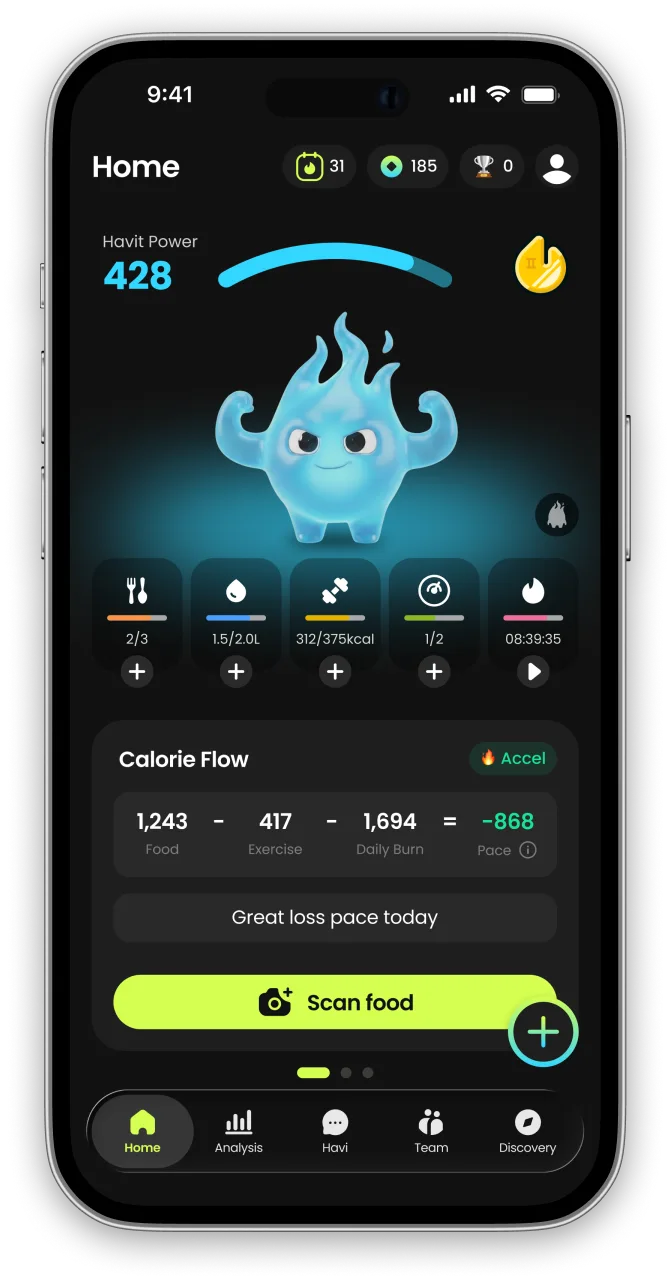
What is Havit?
Havit is an AI health companion for weight loss that protects muscle.
Unlike calorie-only trackers, Havit connects AI body-composition estimates, nutrition, hydration, sleep, steps, cycle, mood, and GLP-1 medication in one daily routine — so progress is measured by body composition, not just the number on the scale. Daily missions turn established behavior-change techniques into small repeatable actions, drawing on expertise from professionals formerly at Juvis Diet, one of Korea’s leading metabolic clinics.
In Havit’s own analysis of 1,090 GLP-1 users, people who logged consistently built stronger habits than the general user base. Read the GLP-1 Habit Report
Havit works with or without GLP-1 medication. It is a wellness app, not a medical device; body-composition results are estimates.

Continue in the App
Personalized wellness with your own data


References
- International Guidelines for Chronic Spontaneous Urticaria Management and Investigation — Journal of Allergy and Clinical Immunology, 2025
- Systematic Trigger Identification in Chronic Spontaneous Urticaria: A Prospective Cohort Study — Allergy, 2024
- Autoimmune Mechanisms in Chronic Urticaria: Diagnostic and Therapeutic Implications — Maurer et al., Journal of the European Academy of Dermatology and Venereology, 2024
- Helicobacter pylori and Chronic Urticaria: Meta-analysis of Eradication Outcomes — Clinical and Experimental Allergy, 2023


