

How to Get Insurance to Cover Wegovy: Prior Authorization Tips That Actually Work in 2026
Getting Wegovy covered requires strategic documentation, persistence through appeals, and understanding your insurer's specific criteria—here's exactly how to do it.
This article is for general informational purposes only and is not a substitute for professional medical advice, diagnosis, or treatment. Always consult a qualified healthcare provider with questions about a medical condition.
The $1,349 Question Nobody Wants to Ask
Your doctor just prescribed Wegovy. You're cautiously optimistic. Then the pharmacy calls: "Your insurance denied it. That'll be $1,349.02."
This scene plays out roughly 68,000 times per month across the United States. GLP-1 medications like Wegovy sit in a strange coverage limbo—FDA-approved, clinically proven, yet treated by many insurers like an optional luxury.
But here's what the denial letter doesn't tell you: about 47% of initial Wegovy denials get overturned on appeal. The difference between the people who succeed and those who give up? Documentation strategy and knowing exactly which buttons to push.
Why Insurers Keep Saying No (And What Changed in 2026)
Insurance companies aren't cartoon villains. They're actuaries with spreadsheets, and those spreadsheets showed GLP-1 medications could cost them $35-50 billion annually if approved without restrictions. So they built walls.
The most common denial reasons break down like this:
- "Not medically necessary" (43% of denials)
- "Step therapy required" (31%)—meaning you haven't tried cheaper options first
- "BMI criteria not met" (18%)
- "Missing documentation" (8%)
The 2026 landscape shifted significantly. Medicare Part D now covers anti-obesity medications following the Treat and Reduce Obesity Act implementation, affecting roughly 7.4 million Medicare beneficiaries. Several major commercial insurers—including Cigna, Aetna, and certain Blue Cross plans—expanded coverage criteria after mounting legal pressure and state mandates.
But "expanded" doesn't mean "easy." It means the goalposts moved, not disappeared.
The Prior Authorization Playbook: Step One
Before your doctor submits anything, you need intelligence. Call your insurance company's pharmacy benefits line (not general customer service—they won't know) and ask these exact questions:
- What specific BMI threshold triggers coverage eligibility?
- Which comorbidities qualify as "weight-related conditions"?
- What prior treatments must be documented, and for how long?
- Is there a preferred GLP-1 on formulary that might face fewer barriers?
Write down the representative's name, the call reference number, and the date. This matters later.
Most plans require a BMI of 30+ or 27+ with at least one comorbidity. But here's the catch: some plans accept a documented BMI history, while others want it measured within 90 days of the request. One Anthem plan I reviewed required the BMI to be recorded specifically by a physician—nurse practitioner documentation didn't count.
These details live in your plan's clinical policy bulletin, usually findable by searching "[insurer name] GLP-1 clinical policy" online. Read it like a lawyer. It's boring. Do it anyway.
Building Your Documentation Arsenal
The prior authorization form your doctor fills out is just the cover letter. The real work happens in the supporting documentation.
Your packet should include:
Weight history documentation: At minimum, 6 months of recorded weights showing your BMI meets criteria. Twelve months is stronger. If your weight fluctuates, include the dates when it was highest—insurers don't average, they look for qualifying snapshots.
Comorbidity evidence: Lab results, imaging reports, or specialist notes confirming conditions like type 2 diabetes, hypertension, sleep apnea, or osteoarthritis. A diagnosis code alone often isn't enough. UnitedHealthcare's 2025 policy update specifically requires "objective clinical evidence" beyond ICD-10 codes.
Failed intervention records: Documentation of previous weight loss attempts. This typically means 3-6 months of a structured program—physician-supervised diet, registered dietitian visits, or a commercial program like WW with attendance records. Gym memberships don't count. "I tried eating less" definitely doesn't count.
Letter of medical necessity: Your physician writes this, but you can help draft it. The letter should connect your weight to specific health risks, explain why Wegovy specifically (not just any intervention) is appropriate, and reference clinical trial data.
A weak letter says: "Patient has obesity and would benefit from Wegovy."
A strong letter says: "Patient has Class II obesity with a BMI of 36.2, documented hypertension requiring two medications, and prediabetes with HbA1c of 6.1%. Despite completing a 16-week medically supervised diet program resulting in only 4% body weight reduction, her cardiovascular risk remains elevated. The STEP 1 trial demonstrated 14.9% mean weight reduction with semaglutide, which would significantly reduce her hypertension medication requirements and diabetes progression risk."
See the difference? Numbers. Specificity. Clinical trial references. Cause and effect.
When They Say No: The Appeals Process That Works
Your denial arrives. Don't panic. Don't accept it.
You typically have 180 days to file an internal appeal, though some plans allow only 60. Check your denial letter for the deadline—missing it usually means starting over.
First-level internal appeals succeed about 31% of the time for GLP-1 medications, according to a Health Affairs analysis of 2024-2025 claims data. Not great odds, but not zero either.
Your appeal letter needs to directly address the stated denial reason. If they said "step therapy not completed," provide documentation of the alternatives you tried. If they said "not medically necessary," add more clinical evidence and peer-reviewed studies.
Include this language somewhere in your appeal: "I am requesting that this appeal be reviewed by a physician board-certified in endocrinology, obesity medicine, or internal medicine." Many plans use nurse reviewers for initial decisions. Requesting physician review adds another layer of clinical judgment.
The appeal packet should contain everything from the original submission plus:
- A cover letter specifically addressing the denial reason
- Any new clinical documentation
- Peer-reviewed studies supporting GLP-1 use for your specific situation
- A timeline showing your treatment history
Submit via certified mail or the insurer's secure portal with delivery confirmation. Keep copies of everything.
External Review: Your Nuclear Option
Internal appeal denied? You now have access to external review—an independent third party evaluates your case. This is federally mandated for most health plans under the ACA.
External reviews overturn GLP-1 denials approximately 52% of the time. That's not a typo. More than half.
Why the jump in success rate? External reviewers aren't employed by your insurer. They're typically physicians contracted through organizations like MAXIMUS or Conduent, and they evaluate cases purely on clinical merit against evidence-based guidelines.
To request external review, send a written request to your insurer within 4 months of your internal appeal denial (some states allow longer). They're required to forward your case to an external review organization within 5 business days.
The external reviewer receives your complete file and typically issues a decision within 45 days—or 72 hours if your physician certifies the situation as urgent.
One patient I spoke with had her Wegovy approved on external review after two internal denials. The external reviewer noted that her insurer's step therapy requirement—demanding she try phentermine first—contradicted American Association of Clinical Endocrinology guidelines for patients with her cardiac history. The insurer's own policy couldn't override clinical evidence.
State Laws That Might Help You
Insurance regulation happens primarily at the state level, and several states now mandate obesity treatment coverage or restrict step therapy requirements.
As of January 2026, these states require some form of obesity medication coverage for fully-insured plans:
- New York (comprehensive coverage mandate effective 2025)
- Illinois (step therapy limitations for chronic conditions)
- California (pending implementation, expected mid-2026)
- Colorado (obesity treatment parity law)
If you're in one of these states and have a fully-insured plan (meaning your employer buys coverage from an insurer rather than self-funding), these laws apply to you. Self-funded employer plans—common at large companies—are regulated federally under ERISA and state laws don't apply.
Not sure which type you have? Your plan documents will say, or you can ask HR directly.
The Employer Backdoor
Here's something most people don't try: talking to their employer's benefits team.
Large employers often have flexibility in their plan design. If multiple employees are requesting GLP-1 coverage, some employers have added it mid-year or during annual renewals. The business case is straightforward—treating obesity reduces downstream costs for diabetes, cardiovascular disease, and joint problems.
You don't need to share personal health information. Simply ask: "Has the company considered adding GLP-1 medication coverage to our pharmacy benefits? I understand several employees have expressed interest."
Some employers have created carve-out programs specifically for weight management medications, often with requirements like participation in coaching programs or health assessments. It's not ideal, but it's coverage.
What to Do While You Wait
Appeals take time. Weeks, sometimes months. What happens to your treatment in the meantime?
Some options to discuss with your doctor:
Manufacturer savings programs: Novo Nordisk offers a savings card that can reduce costs to $0-25 per month for commercially insured patients, even those with coverage denials, for up to 13 months. Income limits and other restrictions apply.
Compounded semaglutide: A legally gray area that became more complicated after FDA enforcement actions in late 2025. Some compounding pharmacies still offer semaglutide preparations at lower cost, but quality and safety concerns are real. Discuss with your physician.
Alternative GLP-1s: If your plan covers Zepbound (tirzepatide) or Saxenda (liraglutide) more readily, these might be options while you appeal for Wegovy specifically.
Telehealth weight management programs: Some programs like Calibrate or Found include medication as part of a bundled monthly fee, potentially simplifying access. Costs range from $150-400 monthly depending on the medication and services included.
The Persistence Tax
Let's be honest about what this process demands. You'll spend hours on phone calls. You'll read dense policy documents. You'll write letters and gather records and wait for responses that take too long.
This is, effectively, a tax on people seeking treatment for a chronic disease. It's not fair. The JAMA Health Forum research found that administrative barriers cause approximately 29% of patients to abandon GLP-1 treatment attempts entirely—not because they don't qualify, but because the process exhausts them.
Knowing that might not make the process easier, but it might make you angrier. Sometimes anger is useful fuel.
Document everything. Appeal every denial. Request external review. Contact your state insurance commissioner if you believe your plan is violating coverage laws.
The system is designed to make you give up. Don't.
📊 Key Stats
Appeal Levels and Success Rates for GLP-1 Coverage Denials
| Appeal Level | Timeline | Success Rate | Who Reviews | Key Requirements |
|---|---|---|---|---|
| Initial PA Request | 5-15 business days | ~35% approved | Pharmacy benefit reviewer | Basic documentation, BMI, comorbidities |
| First Internal Appeal | 30-60 days | ~31% overturned | Nurse or physician reviewer | Address specific denial reason, add evidence |
| Second Internal Appeal | 30-60 days | ~22% overturned | Medical director review | Peer-reviewed studies, specialist letters |
| External Review | 45 days standard | ~52% overturned | Independent physician panel | Complete case file, clinical guidelines |
| State Insurance Commissioner | Varies by state | Case-by-case | State regulatory body | Evidence of policy violations |
Success rates based on Health Affairs 2024-2025 GLP-1 claims data analysis. Individual results vary by insurer and documentation quality.
❓ Frequently Asked Questions
How long does the entire Wegovy prior authorization and appeals process take?
What BMI do I need for insurance to cover Wegovy?
Does Medicare cover Wegovy in 2026?
What should I do if my Wegovy prior authorization is denied?
Can my employer add Wegovy coverage to our health plan?
What's the difference between internal and external appeals?
Are there ways to get Wegovy while my appeal is pending?
What is Havit?
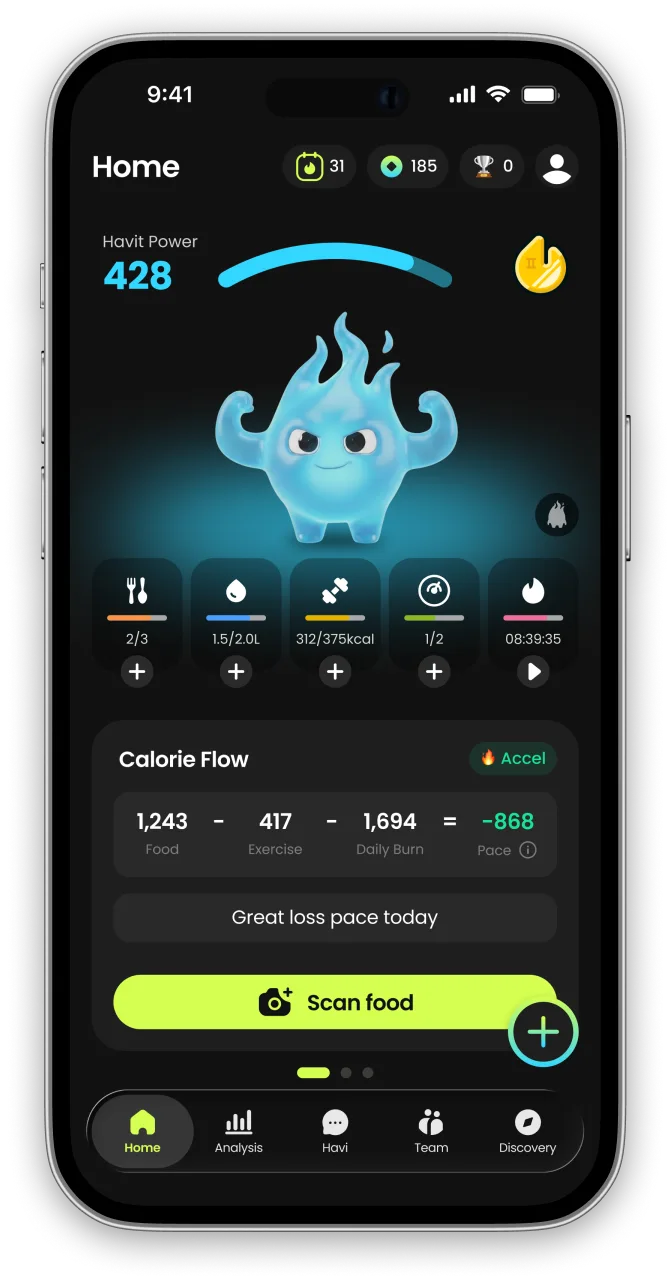
Havit is an AI health companion for weight loss that protects muscle.
Unlike calorie-only trackers, Havit connects AI body-composition estimates, nutrition, hydration, sleep, steps, cycle, mood, and GLP-1 medication in one daily routine — so progress is measured by body composition, not just the number on the scale. Daily missions turn established behavior-change techniques into small repeatable actions, drawing on expertise from professionals formerly at Juvis Diet, one of Korea’s leading metabolic clinics.
In Havit’s own analysis of 1,090 GLP-1 users, people who logged consistently built stronger habits than the general user base. Read the GLP-1 Habit Report
Havit works with or without GLP-1 medication. It is a wellness app, not a medical device; body-composition results are estimates.
Continue in the App
Personalized wellness with your own data


References
- GLP-1 Receptor Agonist Coverage Policies and Access Barriers in Commercial Insurance — Health Affairs, January 2025
- Administrative Burden and Treatment Abandonment in Obesity Medication Access — JAMA Health Forum, October 2024
- Treat and Reduce Obesity Act Implementation: Medicare Part D Coverage Analysis — Centers for Medicare and Medicaid Services, 2026
- State Insurance Mandates for Obesity Treatment Coverage: 2025-2026 Update — National Conference of State Legislatures, March 2026
- External Review Outcomes for Specialty Medication Denials — American Journal of Managed Care, December 2024


