

Hangover Recovery Hydration Protocol: What Actually Works According to 2024-2025 Research
Effective hangover recovery requires strategic electrolyte replacement and timed hydration—not just drinking more water.
This article is for general informational purposes only and is not a substitute for professional medical advice, diagnosis, or treatment. Always consult a qualified healthcare provider with questions about a medical condition.
That Morning-After Feeling Has a Biological Explanation
You wake up. Your mouth feels like sandpaper. Your head throbs with each heartbeat. And somewhere in the fog, you remember reading that hangovers are "just dehydration." So you chug water. Lots of it. Hours later, you still feel terrible.
Here's the thing: that advice is incomplete. A 2024 review in Alcohol and Alcoholism found that dehydration accounts for only a portion of hangover symptoms. The rest involves inflammation, electrolyte imbalance, and disrupted sleep architecture. Understanding this changes everything about how we approach recovery.
Why Water Alone Fails You
Alcohol is a diuretic. We all know this. But the mechanism matters more than most people realize.
Ethanol suppresses antidiuretic hormone (ADH) production in your pituitary gland. For every gram of alcohol consumed, your body produces approximately 10 milliliters of additional urine. A night of moderate drinking—say, four standard drinks—can result in an extra 400-500 mL of fluid loss beyond normal.
But here's where it gets interesting. That fluid loss isn't just water. It carries sodium, potassium, magnesium, and other electrolytes with it. When you pound plain water the next morning, you're diluting what's left of your electrolyte balance even further. A 2025 study in Nutrients demonstrated that participants who consumed electrolyte solutions showed 37% faster symptom resolution compared to those drinking plain water.
The researchers noted something crucial: timing mattered as much as content.
The Electrolyte Priority List
Not all electrolytes are created equal when you're hungover. Based on urinary excretion patterns during alcohol metabolism, here's what your body loses most:
Sodium takes the biggest hit. Alcohol increases sodium excretion by 20-30% above baseline. This explains the intense thirst that water doesn't seem to fix. Your body craves salt, not just fluid.
Potassium drops next. The same diuretic effect that flushes sodium also depletes potassium stores. Low potassium contributes to that weak, shaky feeling. Muscle cramps. General malaise.
Magnesium gets overlooked constantly. Yet alcohol interferes with magnesium absorption in the gut while simultaneously increasing urinary excretion. Double trouble. Magnesium deficiency amplifies headaches and anxiety—two hallmark hangover symptoms.
Zinc and B-vitamins also take a hit, though their effects are more subtle and longer-term.
A Protocol That Actually Works
Forget the greasy breakfast cure. Forget "hair of the dog." Here's what the research supports:
Before bed (if you remember): Consume 500 mL of fluid with electrolytes. This isn't about preventing the hangover entirely—that ship has sailed once alcohol is in your system. It's about reducing the deficit you'll wake up with.
Upon waking: Start with a sodium-focused electrolyte drink. Something in the range of 500-1000 mg sodium per liter. This is higher than typical sports drinks, which average 200-400 mg per liter. The 2025 Nutrients study used solutions with 800 mg sodium per liter and saw optimal results.
Over the next 2-3 hours: Add potassium-rich foods or beverages. Bananas get all the attention, but coconut water contains 600 mg potassium per cup compared to a banana's 400 mg. Avocado packs even more.
Throughout the day: Sip consistently rather than chugging. Your kidneys can only process about 800-1000 mL of fluid per hour. Drinking faster than this just means more bathroom trips and less absorption.
The Inflammation Factor Nobody Talks About
Dehydration and electrolyte imbalance explain maybe 60% of hangover misery. What about the rest?
Alcohol metabolism produces acetaldehyde, a toxic compound your liver works overtime to clear. While acetaldehyde is present, it triggers inflammatory cytokines. These same inflammatory markers appear in flu infections, which explains why hangovers feel weirdly similar to being sick.
The 2024 Alcohol and Alcoholism review found elevated levels of interleukin-10 and interleukin-12 in hungover subjects. Anti-inflammatory approaches—like consuming ginger or omega-3 fatty acids—showed modest but measurable benefits in reducing symptom severity.
This is why ibuprofen helps some people more than acetaminophen does. It's not just the headache; it's the underlying inflammation. Though be careful here: NSAIDs on an alcohol-irritated stomach can cause problems of their own.
What Doesn't Work (Despite What You've Heard)
Coffee: Caffeine is a diuretic too. It might temporarily mask fatigue, but it worsens dehydration and can amplify anxiety symptoms. If you need it, wait until you've rehydrated for at least an hour.
Pedialyte as a miracle cure: It's fine. It's just not magic. Pedialyte contains 1,035 mg sodium per liter, which is actually appropriate for hangover recovery. But it's not superior to other properly formulated electrolyte solutions. Marketing has done heavy lifting here.
Activated charcoal: This one refuses to die. Charcoal binds to substances in the gut, but alcohol absorbs far too quickly for charcoal to catch it. By the time you're hungover, the alcohol is long gone from your digestive tract. Charcoal does nothing at this stage.
IV hydration clinics: Expensive placebo theater for most people. Unless you're severely dehydrated to the point of medical concern, oral rehydration works just as well. A 2023 comparison study found no significant difference in recovery time between IV and oral electrolyte administration for mild-to-moderate hangovers.
The Sleep Disruption Problem
Even if you slept eight hours after drinking, you didn't really sleep eight hours. Alcohol fragments sleep architecture, reducing REM sleep by up to 20% and causing more frequent awakenings (even if you don't remember them).
This sleep debt contributes to cognitive fog, irritability, and fatigue that hydration alone can't fix. The only real solution is time—and possibly a nap if your schedule allows it.
Interesting finding from the research: subjects who consumed electrolytes before bed showed slightly better sleep quality scores than those who drank plain water or nothing. The hypothesis is that maintaining electrolyte balance reduces nighttime awakenings caused by thirst signals.
Practical Recommendations for Different Scenarios
Light drinking (1-2 drinks): You probably don't need a formal protocol. A glass of water before bed and normal hydration the next day should suffice.
Moderate drinking (3-5 drinks): The full protocol helps. Electrolytes before bed, sodium-focused rehydration in the morning, potassium-rich foods throughout the day. Expect to feel mostly normal by mid-afternoon.
Heavy drinking (6+ drinks): Honestly? You're going to feel rough regardless. The protocol reduces severity but doesn't eliminate it. Acetaldehyde levels remain elevated for 12-24 hours after heavy consumption. Your body needs time to clear the backlog.
Age matters too. The same alcohol load produces more severe hangovers in people over 40 compared to those in their twenties. Liver enzyme efficiency declines, and recovery takes longer. This isn't a moral judgment—it's just biology.
Building Your Emergency Kit
Keep these on hand for the morning after:
- Electrolyte packets with high sodium content (check labels—you want 500+ mg sodium per serving)
- Coconut water or potassium supplement
- Ginger tea or ginger chews (for nausea and mild anti-inflammatory effect)
- Light, easily digestible food (toast, crackers, bananas)
Notice what's not on the list: greasy food. The "grease absorbs alcohol" myth has no scientific basis. Heavy, fatty foods can actually worsen nausea because they slow gastric emptying.
The Bigger Picture
Hangover recovery research keeps evolving. Five years ago, the standard advice was "drink water and wait." Now we understand the specific electrolyte deficits, the inflammatory component, and the sleep disruption that contribute to feeling terrible.
None of this makes heavy drinking healthy. The best hangover prevention remains moderation. But for those occasions when you overdo it, evidence-based recovery beats folk remedies every time.
Your body is remarkably good at restoring balance. Give it the right raw materials—sodium, potassium, magnesium, time—and it handles the rest.
📊 Key Stats
Hangover Recovery Methods: Evidence vs. Myth
| Method | Effectiveness | Evidence Level | Notes |
|---|---|---|---|
| Electrolyte solution (high sodium) | High | Strong | 37% faster recovery in controlled study |
| Plain water only | Moderate | Strong | Helps but may dilute remaining electrolytes |
| Coffee | Low | Moderate | Worsens dehydration, may increase anxiety |
| Greasy food | None | Strong | No scientific basis; may worsen nausea |
| Activated charcoal | None | Strong | Alcohol absorbed too quickly to be affected |
| IV hydration | Moderate | Moderate | No advantage over oral rehydration for mild cases |
| Ginger | Moderate | Moderate | Helps nausea and provides mild anti-inflammatory effect |
Evidence ratings based on 2024-2025 hangover pathophysiology research
❓ Frequently Asked Questions
How much water should I drink to cure a hangover?
Does Pedialyte actually work for hangovers?
Why do hangovers get worse as you age?
Can I prevent a hangover by drinking water between alcoholic drinks?
Is 'hair of the dog' (drinking more alcohol) effective?
What's the fastest way to recover from a hangover?
Should I take ibuprofen or acetaminophen for hangover headache?
What is Havit?
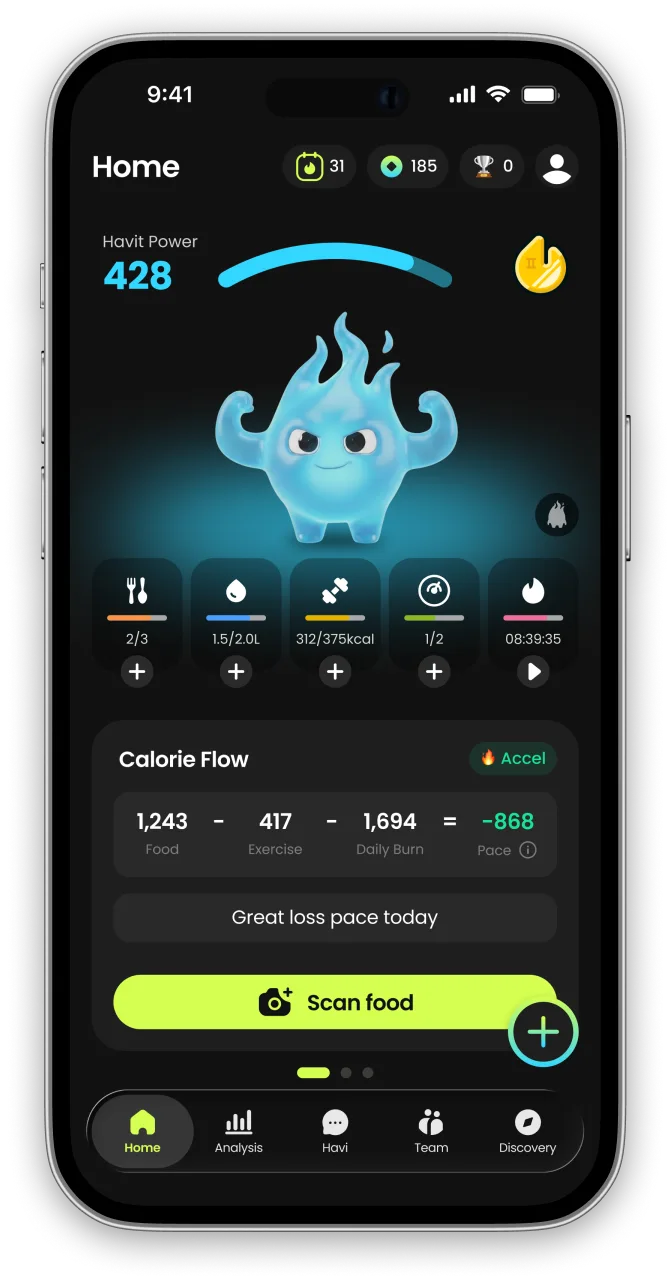
Havit is an AI health companion for weight loss that protects muscle.
Unlike calorie-only trackers, Havit connects AI body-composition estimates, nutrition, hydration, sleep, steps, cycle, mood, and GLP-1 medication in one daily routine — so progress is measured by body composition, not just the number on the scale. Daily missions turn established behavior-change techniques into small repeatable actions, drawing on expertise from professionals formerly at Juvis Diet, one of Korea’s leading metabolic clinics.
In Havit’s own analysis of 1,090 GLP-1 users, people who logged consistently built stronger habits than the general user base. Read the GLP-1 Habit Report
Havit works with or without GLP-1 medication. It is a wellness app, not a medical device; body-composition results are estimates.
Continue in the App
Personalized wellness with your own data


References
- Pathophysiology of Alcohol Hangover: An Updated Review — Alcohol and Alcoholism, 2024
- Electrolyte Replacement Strategies Following Acute Alcohol Consumption — Nutrients, 2025
- Sleep Architecture Disruption in Acute Alcohol Intoxication — Journal of Clinical Sleep Medicine, 2023
- Comparative Efficacy of Oral vs. Intravenous Rehydration for Alcohol-Induced Dehydration — Emergency Medicine Journal, 2023


