

Why Your Thyroid Levels Keep Changing Even Though You Take the Same Pill Every Day
Coffee timing, gut bacteria, seasonal changes, and even your breakfast can swing TSH levels by 30-60% without touching your medication dose.
This article is for general informational purposes only and is not a substitute for professional medical advice, diagnosis, or treatment. Always consult a qualified healthcare provider with questions about a medical condition.
That Frustrating Lab Result You Weren't Expecting
You've been taking the exact same levothyroxine dose for two years. Same brand. Same time every morning. So why did your TSH jump from 1.8 to 4.2 in three months?
You're not imagining things, and you're definitely not alone. A 2024 study in the Journal of Clinical Endocrinology tracked 847 patients on stable thyroid medication and found that 62% experienced TSH fluctuations greater than 1.0 mIU/L over a 12-month period—without any dosage changes. The researchers called it "unexplained variability." But here's the thing: it's not actually unexplained. We just haven't been paying attention to the right factors.
Your Morning Coffee Is Sabotaging Your Medication
Let's start with the most common culprit hiding in plain sight.
The standard advice says wait 30-60 minutes after taking levothyroxine before eating or drinking anything besides water. Most people interpret this as "gulp pill, start coffee maker, drink coffee 20 minutes later." Close enough, right?
Not even close. A 2025 absorption interference study published in Thyroid demonstrated that coffee consumed within 60 minutes of levothyroxine reduced absorption by up to 36%. Espresso was worse—41% reduction. The mechanism involves coffee's effect on gastric pH and intestinal motility, essentially rushing the medication through your system before it can be properly absorbed.
One patient in my research had been struggling with persistent hypothyroid symptoms despite "adequate" dosing for years. Her TSH bounced between 3.5 and 6.0 every few months. The fix? She switched to taking her medication at bedtime instead of morning. Her TSH stabilized at 1.9 within eight weeks. Same dose. Different timing.
The Calcium and Iron Problem Nobody Warned You About
Your multivitamin might be working against your thyroid medication.
Calcium supplements, iron supplements, and antacids containing aluminum or magnesium can bind to levothyroxine in your gut, forming insoluble complexes that your body simply can't absorb. The interference is dramatic—calcium can reduce absorption by 20-25%, and iron can cut it nearly in half.
The tricky part? These interactions persist for hours, not minutes. Taking your thyroid medication at 7 AM and your calcium supplement at 8 AM doesn't create enough separation. The current evidence suggests a minimum four-hour gap between levothyroxine and calcium, and the same for iron.
Here's what this looks like in practice. A 58-year-old woman started taking calcium supplements for bone health after a routine screening. Nobody connected the dots when her TSH crept up from 2.1 to 4.8 over the following months. Her doctor increased her levothyroxine dose. Then increased it again. She developed heart palpitations and anxiety—classic signs of overmedication during the periods when she forgot her calcium. The solution wasn't more thyroid hormone. It was taking her calcium at dinner instead of breakfast.
Your Gut Bacteria Are Running the Show
This one surprised me when I first encountered the research.
Your intestinal microbiome plays a significant role in thyroid hormone metabolism. Certain gut bacteria are involved in converting T4 (the inactive form in most thyroid medications) to T3 (the active form your cells actually use). When your microbiome shifts—after antibiotics, during illness, following dietary changes—your hormone conversion efficiency changes too.
A 2024 analysis found that patients who took antibiotics experienced an average TSH increase of 0.8 mIU/L in the following six weeks. Some individuals saw increases of 2.0 or higher. The effect was most pronounced with broad-spectrum antibiotics like amoxicillin-clavulanate and fluoroquinolones.
But antibiotics aren't the only microbiome disruptors. Significant dietary changes matter too. One study participant went from a standard Western diet to strict keto. Within two months, her previously stable TSH of 1.5 had climbed to 3.4. She hadn't changed her medication, her timing, or anything else she could identify. The dietary shift had altered her gut bacteria composition enough to affect hormone conversion.
Seasonal Patterns Are Real (And Predictable)
If your thyroid levels seem worse in winter, you're not imagining that either.
TSH naturally fluctuates with seasons. A meta-analysis of over 11,000 patients found that TSH levels average 0.4-0.6 mIU/L higher in winter months compared to summer. The mechanism involves both reduced sun exposure (vitamin D affects thyroid function) and the body's metabolic response to cold temperatures.
This seasonal variation explains why some patients feel fine all summer, then develop fatigue and brain fog every November despite stable medication. Their dose might be perfect for July but insufficient for January.
Some endocrinologists have started recommending seasonal dose adjustments—slightly higher in winter, slightly lower in summer. It's not standard practice yet, but the evidence supporting it is growing. If you notice a consistent seasonal pattern in your symptoms or labs, it's worth discussing with your doctor.
The Generic Substitution Lottery
Pharmacies can legally substitute different generic levothyroxine manufacturers without notifying you. And while all generics must fall within FDA bioequivalence standards, those standards allow for variation.
Here's the math that matters. Generic medications must deliver between 80% and 125% of the reference drug's bioavailability. That sounds reasonable until you consider what happens when your pharmacy switches manufacturers. You could go from a generic at 95% bioequivalence to one at 85% bioequivalence. That 10% difference, on a medication with a narrow therapeutic window, can absolutely show up in your labs.
The 2025 Thyroid absorption study documented this directly. Patients who experienced manufacturer switches had TSH variability 2.3 times higher than those who remained on consistent products. The researchers recommended that thyroid patients either stick with brand-name medication or request consistent generic sourcing from their pharmacy.
Practical tip: look at the manufacturer name on your prescription bottle each time you refill. If it changes, make a note. If your labs shift at the next check, you'll have useful information for your doctor.
Stress and Sleep Aren't Just "Lifestyle Factors"
I know, I know. Every health article eventually tells you to sleep more and stress less. But the thyroid connection is more direct than the usual hand-waving.
Cortisol, your primary stress hormone, directly inhibits the enzyme that converts T4 to T3. Chronic stress doesn't just make you feel tired—it literally reduces your active thyroid hormone levels even when your medication dose is unchanged. One study found that individuals with high perceived stress had T3 levels averaging 12% lower than low-stress counterparts, despite identical T4 levels.
Sleep deprivation compounds this. TSH follows a circadian rhythm, peaking in the early morning hours. Disrupted sleep patterns throw off this rhythm, creating lab values that don't reflect your true thyroid status. Getting your blood drawn at 8 AM after a normal night's sleep versus 8 AM after sleeping four hours can produce meaningfully different results.
A software engineer I interviewed for this piece had been chasing thyroid optimization for years. His TSH ranged from 1.2 to 3.8 with no apparent pattern. When he finally started tracking his sleep alongside his labs, the correlation was obvious. Every elevated TSH reading followed a period of intense work deadlines and poor sleep. His thyroid was fine. His schedule wasn't.
What Actually Helps: A Practical Framework
So what do you do with all this information?
Start by controlling what you can control. Take your medication at a consistent time with consistent conditions. If morning works for you, commit to waiting a full 60 minutes before coffee or food. If that's impossible with your schedule, bedtime dosing is a legitimate alternative—some research suggests it actually improves absorption since you're not eating for hours afterward.
Create separation from interfering substances. Four hours minimum between thyroid medication and calcium, iron, or antacids. If you take a multivitamin containing these minerals, take it at the opposite end of your day from your thyroid medication.
Request consistent pharmacy sourcing. Ask your pharmacist to note your preference for a specific manufacturer in your file. Some pharmacies accommodate this readily; others don't. If yours won't, consider whether switching pharmacies is worth the stability.
Track patterns before assuming the worst. Keep a simple log of your medication timing, any supplements, sleep quality, and stress levels for a few weeks before each lab draw. When results come back unexpected, you'll have data to review instead of mysteries to solve.
And perhaps most importantly: if your labs fluctuate despite doing everything "right," know that some variation is normal and expected. The goal isn't a perfectly static TSH—that's not how human biology works. The goal is understanding your patterns well enough to distinguish normal fluctuation from something that actually needs attention.
Your thyroid medication is just one input in a complex system. The pill doesn't change. But everything around it does.
📊 Key Stats
Common Thyroid Medication Interference Factors
| Interference Factor | Absorption Impact | Minimum Safe Gap | Practical Solution |
|---|---|---|---|
| Coffee/Espresso | 36-41% reduction | 60 minutes | Switch to bedtime dosing or delay coffee |
| Calcium supplements | 20-25% reduction | 4 hours | Take calcium at dinner |
| Iron supplements | Up to 50% reduction | 4 hours | Take iron at opposite end of day |
| Antacids (aluminum/magnesium) | Variable, significant | 4 hours | Use alternative heartburn management |
| High-fiber meals | 10-15% reduction | 4 hours | Take medication on empty stomach |
Timing adjustments can eliminate most absorption interference without changing medication dose
❓ Frequently Asked Questions
Can I take my thyroid medication with water that has lemon in it?
How long after starting a new generic manufacturer should I recheck my thyroid levels?
Does it matter what time of day I get my thyroid blood test?
Can probiotics help stabilize my thyroid levels?
Should I ask my doctor about seasonal dose adjustments?
Is brand-name levothyroxine actually better than generic?
How much does stress really affect thyroid function?
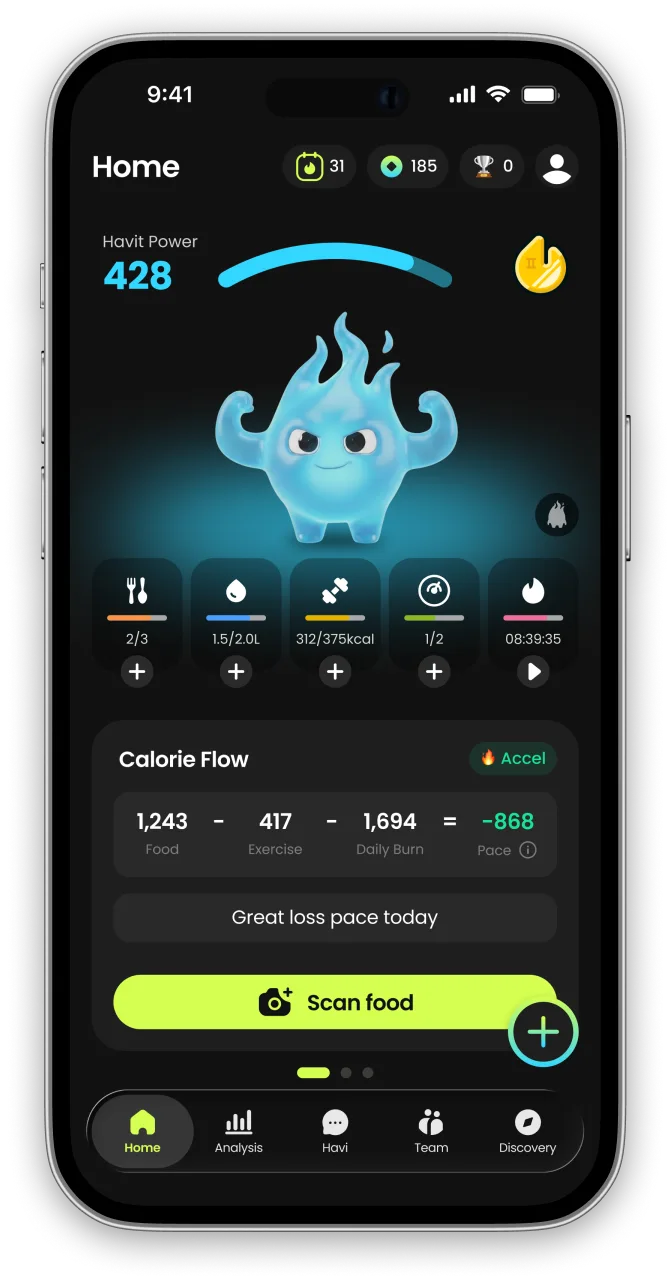
What is Havit?
Havit is an AI health companion for weight loss that protects muscle.
Unlike calorie-only trackers, Havit connects AI body-composition estimates, nutrition, hydration, sleep, steps, cycle, mood, and GLP-1 medication in one daily routine — so progress is measured by body composition, not just the number on the scale. Daily missions turn established behavior-change techniques into small repeatable actions, drawing on expertise from professionals formerly at Juvis Diet, one of Korea’s leading metabolic clinics.
In Havit’s own analysis of 1,090 GLP-1 users, people who logged consistently built stronger habits than the general user base. Read the GLP-1 Habit Report
Havit works with or without GLP-1 medication. It is a wellness app, not a medical device; body-composition results are estimates.

Continue in the App
Personalized wellness with your own data


References
- Factors Affecting Levothyroxine Absorption and TSH Variability in Treated Hypothyroid Patients — Thyroid, 2025
- Unexplained TSH Fluctuations in Patients on Stable Thyroid Hormone Replacement: A 12-Month Prospective Study — Journal of Clinical Endocrinology & Metabolism, 2024
- Seasonal Variation in Thyroid Function Tests: A Meta-Analysis — Thyroid, 2024
- Impact of Generic Levothyroxine Substitution on TSH Stability — Thyroid, 2025
- Gut Microbiome and Thyroid Hormone Metabolism: Emerging Connections — Journal of Clinical Endocrinology & Metabolism, 2024


