

Outdoor Exercise When You Get Cold Easily: A Winter Workout Protocol That Actually Works
Cold-sensitive individuals can exercise outdoors in winter using a 3-phase warm-up protocol and strategic layering that maintains core temperature without overheating.
This article is for general informational purposes only and is not a substitute for professional medical advice, diagnosis, or treatment. Always consult a qualified healthcare provider with questions about a medical condition.
That Moment When Your Fingers Go Numb Before You Even Start Running
My friend Sarah quit her outdoor running habit every November like clockwork. "I'm just not built for cold weather," she'd say, rubbing her perpetually icy hands. Meanwhile, her husband would jog past in shorts when it was 40°F outside. She assumed she was simply weak, that cold intolerance was a character flaw rather than a physiological reality.
She was wrong about the weakness part. But she was right that her body processes cold differently.
About 15-20% of adults experience significant cold intolerance—their peripheral blood vessels constrict more aggressively, their shivering response kicks in earlier, and their extremities lose heat faster than average. A 2024 study in the European Journal of Applied Physiology found that cold-intolerant individuals showed a 34% greater drop in finger temperature during the first 10 minutes of cold exposure compared to cold-tolerant controls. This isn't imagination. It's measurable physiology.
The good news? You don't have to hibernate until April.
Why Some Bodies Hate Cold (And It's Not About Being "Tough")
Your body's thermoregulation system works like a building's HVAC—constantly adjusting to maintain that sweet spot around 98.6°F. When external temperatures drop, blood vessels in your extremities narrow to keep warm blood concentrated around vital organs. Smart survival mechanism. Terrible for people trying to use their hands during a winter workout.
Cold-intolerant individuals have what researchers call "hyperactive peripheral vasoconstriction." Their vessels clamp down harder and faster. Women experience this more frequently than men—estrogen influences vascular reactivity—and people with lower muscle mass tend to generate less metabolic heat during exercise.
There's also a conditioning component. Someone who grew up in Minnesota has a different baseline than someone who relocated from Florida last year. Your body can adapt to cold exposure over time, but that adaptation takes consistent, gradual training. The Wilderness Environmental Medicine journal published protocols in 2025 specifically addressing how cold-intolerant individuals can build tolerance safely, without the misery of white-knuckle suffering through every workout.
The 3-Phase Warm-Up Protocol That Changes Everything
Forget the standard "jog for 5 minutes" advice. Cold-intolerant exercisers need a more aggressive pre-exercise routine that gets core temperature elevated before stepping outside.
Phase 1: Indoor Activation (8-10 minutes)
Start inside. Seriously. Do jumping jacks, high knees, burpees—anything that spikes your heart rate to 65-70% of max. The goal is to begin sweating lightly before you ever touch cold air. This pre-heating creates a thermal buffer that buys you crucial minutes before vasoconstriction kicks in hard.
Phase 2: Transitional Movement (3-5 minutes)
Step outside but keep moving continuously. No standing around adjusting your playlist. Walk briskly or jog slowly while your body acclimates to the temperature differential. Your blood vessels will start constricting, but the ongoing movement forces them to stay partially dilated to meet muscle oxygen demands.
Phase 3: Gradual Intensity Build (5-7 minutes)
Increase your pace incrementally every 90 seconds until you reach your target workout intensity. Jumping straight into hard effort in cold air triggers excessive vasoconstriction and that awful "my lungs are freezing" sensation. The gradual build lets your respiratory system adjust.
Total warm-up time: 16-22 minutes. Yes, it's longer than what cold-tolerant people need. That's the trade-off for being able to actually complete your workout.
Strategic Layering: The Science of Not Freezing (Or Overheating)
Most layering advice assumes everyone responds to cold identically. They don't. Cold-intolerant exercisers face a specific challenge: they need more insulation initially but generate significant heat once moving. Getting this balance wrong means either freezing during warm-up or overheating mid-workout.
The solution is what exercise physiologists call "dynamic layering"—a system designed for removal and adjustment rather than static protection.
Base layer: Moisture-wicking synthetic or merino wool, fitted close to skin. This layer never comes off. It manages sweat, which is your enemy in cold weather. Wet fabric against skin accelerates heat loss by up to 25 times compared to dry fabric.
Mid layer: Lightweight fleece or synthetic insulation. This is your adjustable layer. Start with it on, plan to remove it 15-20 minutes into your workout if you're generating good heat. Tie it around your waist rather than carrying it.
Outer layer: Wind-resistant but breathable. Waterproof shells trap too much moisture for most exercise intensities. Look for fabrics with air permeability ratings around 5-10 CFM (cubic feet per minute). Your outer layer's job is blocking wind, not trapping heat.
Extremity focus: This is where cold-intolerant people need to over-invest. Mittens beat gloves (fingers share warmth). Wear them even when it feels unnecessary at first. A buff or balaclava protects the face and warms inhaled air—your respiratory tract will thank you. Consider toe warmers for runs under 35°F; they're cheap and surprisingly effective.
Temperature Thresholds: Know Your Personal Limits
The 2025 Wilderness Environmental Medicine protocols established temperature guidelines specifically for cold-intolerant exercisers. These aren't about comfort—they're about safety.
Above 40°F: Most cold-intolerant individuals can exercise outdoors with proper layering and warm-up. Standard precautions apply.
32-40°F: Increase warm-up duration by 50%. Consider shortening workout duration by 15-20% until you've built cold tolerance over several weeks. Monitor extremities actively.
20-32°F: High-risk zone for cold-intolerant exercisers. Limit outdoor sessions to 30-45 minutes. Ensure you have a warm environment accessible within 10 minutes if symptoms worsen. Indoor alternatives may be smarter.
Below 20°F: The research suggests cold-intolerant individuals should strongly consider indoor exercise. The risk of frostnip and excessive cardiovascular strain increases substantially. If you do go out, keep sessions under 20 minutes and stay close to shelter.
These thresholds shift as you build tolerance. Someone who consistently trains in cold weather through a full winter often finds their comfort zone expanding by 5-10°F by February.
Building Cold Tolerance: The Gradual Exposure Method
Your body can adapt. It just needs the right stimulus at the right dose.
Start with brief cold exposures during your normal routine. End showers with 30 seconds of cool (not frigid) water. Spend 5 minutes outside in light clothing on cold days, not exercising, just existing. These micro-exposures trigger adaptive responses without the stress of a full workout.
For exercise-specific adaptation, add one cold outdoor session per week initially. Keep it short—20-25 minutes. Increase duration by 5 minutes weekly as long as you're recovering well. Signs of poor adaptation include persistent cold sensations lasting more than 30 minutes post-exercise, unusual fatigue, or recurring numbness in the same areas.
The European Journal of Applied Physiology study tracked cold-intolerant subjects through an 8-week adaptation protocol. By week 6, participants showed a 23% improvement in finger rewarming rates after cold exposure. Their subjective discomfort ratings dropped by nearly half. Adaptation is real and measurable—it just requires patience.
When Cold Intolerance Signals Something Else
Sometimes extreme cold sensitivity isn't just individual variation. It can indicate underlying conditions worth discussing with a healthcare provider.
Raynaud's phenomenon causes exaggerated blood vessel spasms in response to cold, turning fingers white or blue. About 5% of the population has some form of it. Thyroid dysfunction affects metabolic heat production. Iron deficiency impairs oxygen delivery to tissues. These conditions are manageable but require proper identification.
Red flags that warrant medical conversation: fingers or toes that turn distinctly white or blue, cold sensitivity that's worsened noticeably over months, cold intolerance accompanied by unusual fatigue or weight changes, or numbness that persists long after rewarming.
Most cold-intolerant people don't have underlying conditions—they're just on one end of the normal physiological spectrum. But ruling out treatable causes makes sense before assuming you're simply "built that way."
Making Winter Your Unexpected Training Advantage
Here's a perspective shift: cold-weather training offers benefits that warm-weather training doesn't.
Your body works harder to maintain temperature in cold conditions, burning additional calories for thermoregulation. Studies suggest 100-200 extra calories per hour depending on temperature and intensity. Cold air is denser, providing slightly more oxygen per breath. And there's the mental toughness factor—completing workouts in challenging conditions builds psychological resilience that transfers to race day or any high-pressure situation.
Sarah, my friend who quit running every November? She tried the 3-phase warm-up protocol last winter. Added the dynamic layering system. Started with short sessions and built up gradually. By January, she was running her usual distances. By March, she'd completed her first winter without a fitness gap.
"I'm still cold-intolerant," she told me recently. "My hands still get cold faster than my husband's. But now I have systems that work around it instead of fighting against my own biology."
That's the goal. Not becoming someone you're not, but finding protocols that let you do what you want despite physiological quirks. Winter doesn't have to mean four months on a treadmill. It just means adapting your approach.
Your body has limitations. It also has remarkable capacity for adaptation. Work with both.
📊 Key Stats
Cold Weather Exercise Protocol by Temperature Range
| Temperature Range | Warm-Up Adjustment | Recommended Duration | Key Precautions |
|---|---|---|---|
| Above 40°F (4°C) | Standard 3-phase protocol | Normal workout length | Basic layering, monitor extremities |
| 32-40°F (0-4°C) | Increase warm-up by 50% | Reduce by 15-20% | Extra extremity protection, stay near shelter |
| 20-32°F (-7 to 0°C) | Extended indoor activation | 30-45 minutes max | Warm shelter within 10 min, active monitoring |
| Below 20°F (-7°C) | Consider indoor alternative | Under 20 minutes | High risk zone, stay very close to shelter |
Guidelines adapted from Wilderness Environmental Medicine 2025 cold intolerance protocols
❓ Frequently Asked Questions
How long does it take to build cold tolerance for outdoor exercise?
Should I exercise outdoors if my fingers turn white in the cold?
Why do women tend to feel colder than men during winter workouts?
Are mittens really better than gloves for cold-intolerant exercisers?
How do I know if I'm overdressed for a winter workout?
Can ending showers with cold water really help build cold tolerance?
What's the biggest mistake cold-intolerant people make with winter exercise?
What is Havit?
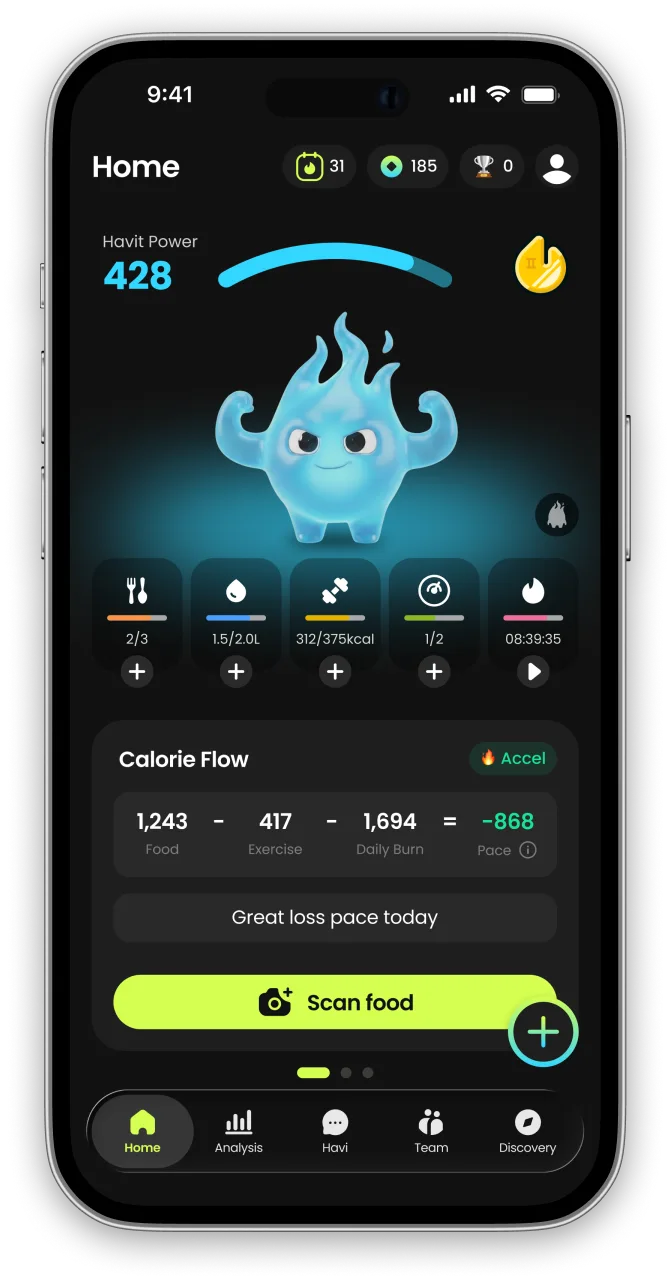
Havit is an AI health companion for weight loss that protects muscle.
Unlike calorie-only trackers, Havit connects AI body-composition estimates, nutrition, hydration, sleep, steps, cycle, mood, and GLP-1 medication in one daily routine — so progress is measured by body composition, not just the number on the scale. Daily missions turn established behavior-change techniques into small repeatable actions, drawing on expertise from professionals formerly at Juvis Diet, one of Korea’s leading metabolic clinics.
In Havit’s own analysis of 1,090 GLP-1 users, people who logged consistently built stronger habits than the general user base. Read the GLP-1 Habit Report
Havit works with or without GLP-1 medication. It is a wellness app, not a medical device; body-composition results are estimates.

Continue in the App
Personalized wellness with your own data


References
- Peripheral vascular responses to cold exposure in cold-intolerant versus cold-tolerant individuals during exercise — European Journal of Applied Physiology, 2024
- Clinical protocols for exercise prescription in cold-intolerant populations — Wilderness Environmental Medicine, 2025
- Thermoregulatory adaptations to repeated cold exposure: implications for outdoor athletes — Journal of Applied Physiology, 2024
- Sex differences in peripheral vasoconstriction during cold stress — American Journal of Physiology - Regulatory, Integrative and Comparative Physiology, 2023


