

GLP-1 with Insulin or Sulfonylurea: Managing Hypoglycemia Risk When Combining Diabetes Medications
GLP-1 drugs alone rarely cause low blood sugar, but combining them with insulin or sulfonylureas changes everything—here's how to adjust doses safely.
This article is for general informational purposes only and is not a substitute for professional medical advice, diagnosis, or treatment. Always consult a qualified healthcare provider with questions about a medical condition.
The 3 AM Wake-Up Call Nobody Warns You About
Sarah had been on glipizide for six years when her doctor added semaglutide. Three weeks later, she woke at 3 AM drenched in sweat, heart pounding, hands shaking. Her glucose meter read 52 mg/dL. Nobody had told her this could happen.
Here's the thing about GLP-1 medications like Ozempic, Wegovy, Mounjaro, and Trulicity: on their own, they're remarkably safe from hypoglycemia. They work in a glucose-dependent way, meaning they only stimulate insulin release when your blood sugar is actually elevated. Smart design.
But add them to medications that push insulin out regardless of what your glucose is doing? That's where the math gets dangerous.
Why GLP-1s Play Nice Alone But Not Always in Combination
Your pancreas has beta cells that release insulin. GLP-1 medications amplify this release, but only when glucose is present. When blood sugar drops toward normal, the GLP-1 effect essentially switches off. It's like a thermostat that stops heating once the room hits 70°F.
Sulfonylureas—glipizide, glimepiride, glyburide—don't have that thermostat. They force beta cells to release insulin regardless of what's happening with your blood sugar. Take one at 8 AM, and it's still pushing insulin out at 2 PM whether you've eaten or not.
Insulin injections work the same way. Once it's in your body, it's doing its job. It doesn't care if your glucose is 180 or 80.
When you combine a GLP-1 with either of these, you're stacking two insulin-boosting mechanisms. The GLP-1 makes your beta cells more responsive. The sulfonylurea or insulin provides the constant push. Together, they can drive glucose lower than either would alone.
The Numbers That Should Make Prescribers Pause
A 2025 analysis in Diabetes Care tracked 12,847 patients starting GLP-1 therapy. Among those on GLP-1 monotherapy, clinically significant hypoglycemia (below 54 mg/dL) occurred in 0.8% over 26 weeks. Manageable.
Patients adding a GLP-1 to existing sulfonylurea therapy without dose adjustment? That number jumped to 11.2%. One in nine experienced a blood sugar crash that could impair driving, thinking, or consciousness.
The combination with insulin showed similar patterns. Patients on basal insulin who added a GLP-1 without reducing their insulin dose had a 14.3% rate of clinically significant hypoglycemia. Those whose basal insulin was proactively reduced by 20% at GLP-1 initiation? Just 3.1%.
That's a four-fold difference from a simple dose adjustment.
Sulfonylurea Dose Reduction: What the Guidelines Actually Say
The Journal of Clinical Endocrinology & Metabolism published updated combination therapy guidelines in late 2024, and they're specific about sulfonylurea adjustments.
For patients with A1C above 8% starting a GLP-1: consider reducing sulfonylurea by 50% at initiation, then reassess after 4-6 weeks based on glucose patterns.
For patients with A1C between 7% and 8%: reduce sulfonylurea by 50% immediately. Some clinicians discontinue it entirely, especially if the patient's A1C is closer to 7%.
For patients already near goal (A1C below 7.5%): strong consideration for stopping the sulfonylurea altogether. The GLP-1 will likely provide adequate glucose control, and the hypoglycemia risk of continuing both isn't worth it.
These aren't suggestions. The guidelines explicitly state that continuing full-dose sulfonylurea when adding a GLP-1 "significantly increases hypoglycemia risk without proportional glycemic benefit."
Insulin Adjustments: Basal Versus Mealtime Makes a Difference
Insulin combinations require more nuance because not all insulin behaves the same way.
Basal insulin (glargine, degludec, detemir) provides a steady background level. When adding a GLP-1, the 2024 guidelines recommend reducing basal insulin by 15-20% upfront. If fasting glucose runs below 130 mg/dL consistently, cut by 20%. If it's higher, 15% may suffice.
Mealtime insulin (lispro, aspart, glulisine) gets trickier. GLP-1 medications slow gastric emptying, which changes how quickly food hits your bloodstream. That mealtime insulin dose timed for rapid carb absorption may now peak before the carbs arrive. The guidelines suggest reducing mealtime doses by 25-30% initially, with close monitoring.
Patients on premixed insulin (70/30 formulations) face the most complexity. These products combine basal and mealtime insulin in fixed ratios, making targeted adjustments impossible. Many endocrinologists recommend switching to separate basal and mealtime insulins before adding a GLP-1, specifically to allow proper dose titration.
The High-Risk Window: Weeks 2 Through 6
Hypoglycemia risk isn't constant throughout GLP-1 therapy. There's a predictable danger zone.
Weeks 1-2: GLP-1 effects are still building. The medication hasn't reached steady state. Hypoglycemia risk exists but isn't at peak.
Weeks 2-6: This is the critical period. The GLP-1 is now at full effect, but appetite suppression means patients often eat less than before. Reduced food intake plus full-strength sulfonylurea or insulin equals blood sugar crashes. The 2025 Diabetes Care data showed 68% of combination-related hypoglycemia events occurred during this window.
Weeks 6+: Patients have typically adjusted their eating patterns, and if dose reductions were made, glucose levels have stabilized. Risk decreases but doesn't disappear.
During that 2-6 week window, patients on combination therapy should check glucose more frequently—before meals, before driving, and any time they feel "off." Continuous glucose monitors can catch drops that fingerstick testing misses.
Specific Drug Combinations: Risk Isn't Equal Across the Board
Not all GLP-1 medications carry identical risks when combined with other agents. Longer-acting formulations (once-weekly semaglutide, tirzepatide) produce more sustained effects, which can mean more prolonged hypoglycemia risk when combined with sulfonylureas.
Short-acting GLP-1s (twice-daily exenatide) have more pronounced effects on post-meal glucose and less impact on fasting levels. This makes their interaction with basal insulin somewhat more predictable.
Among sulfonylureas, glyburide carries the highest intrinsic hypoglycemia risk due to its long duration and active metabolites. Combining glyburide with any GLP-1 is particularly concerning. Glimepiride and glipizide are somewhat safer choices if a sulfonylurea must be continued.
The 2024 guidelines specifically recommend against initiating GLP-1 therapy in patients taking glyburide without first switching to a different sulfonylurea or eliminating the sulfonylurea entirely.
What Patients Should Actually Do
If you're starting a GLP-1 and already take insulin or a sulfonylurea, have an explicit conversation with your prescriber about dose adjustments. Don't assume they've already made them. A 2024 pharmacy claims analysis found that 34% of patients starting GLP-1s while on sulfonylureas had no sulfonylurea dose modification in the first 60 days.
Keep fast-acting glucose accessible. Glucose tablets, juice boxes, regular soda. Not chocolate—the fat slows absorption. You want something that will raise blood sugar in 10-15 minutes.
Learn your symptoms. Hypoglycemia feels different for everyone. Shakiness, sweating, and rapid heartbeat are classic, but some people get headaches, irritability, or sudden fatigue. Know your personal warning signs.
Don't skip meals during the first two months. Even if your appetite has vanished (a common GLP-1 effect), eat something at regular intervals. Smaller portions are fine. Skipping entirely while on combination therapy is asking for trouble.
Check glucose before driving. Every time. A blood sugar of 65 mg/dL might feel fine while you're sitting on your couch. Behind the wheel, it's a different story.
When to Seek Immediate Help
Most hypoglycemia episodes resolve with oral glucose treatment. But severe hypoglycemia—where you can't treat yourself—requires emergency intervention.
If you live with someone, make sure they know how to use glucagon. Injectable glucagon has been available for years, but newer nasal glucagon (Baqsimi) and auto-injector formulations (Gvoke) are easier for untrained people to administer.
Seek emergency care if hypoglycemia doesn't respond to two rounds of fast-acting glucose (30+ grams), if confusion or loss of consciousness occurs, or if episodes happen repeatedly despite dose adjustments.
A single severe hypoglycemia episode should trigger a medication review. The combination that caused it likely needs modification.
The Bottom Line on Combination Safety
GLP-1 medications have transformed diabetes management. Their cardiovascular benefits, weight effects, and low intrinsic hypoglycemia risk make them valuable tools. But they don't exist in isolation.
When combined with insulin or sulfonylureas, the safety profile changes. The evidence is clear: proactive dose reduction of the older medication prevents the majority of hypoglycemia events. Waiting for a problem to occur before adjusting doses puts patients at unnecessary risk.
The conversation about dose adjustment should happen before the first GLP-1 injection, not after the first 3 AM wake-up call.
📊 Key Stats
GLP-1 Combination Therapy: Recommended Dose Adjustments
| Existing Medication | Patient A1C Level | Recommended Adjustment | Monitoring Frequency |
|---|---|---|---|
| Sulfonylurea | Above 8% | Reduce by 50%, reassess at 4-6 weeks | Daily fasting + pre-meal glucose |
| Sulfonylurea | 7-8% | Reduce by 50% or discontinue | Daily fasting + pre-meal glucose |
| Sulfonylurea | Below 7.5% | Consider discontinuation | Fasting glucose 3x weekly |
| Basal insulin (fasting glucose <130) | Any | Reduce by 20% | Daily fasting glucose |
| Basal insulin (fasting glucose >130) | Any | Reduce by 15% | Daily fasting glucose |
| Mealtime insulin | Any | Reduce by 25-30% | Pre and post-meal glucose |
| Premixed insulin | Any | Consider switching to separate basal/bolus | Comprehensive glucose monitoring |
Based on Journal of Clinical Endocrinology & Metabolism 2024 combination therapy guidelines
❓ Frequently Asked Questions
Why don't GLP-1 medications cause hypoglycemia when used alone?
How much should my sulfonylurea dose be reduced when starting a GLP-1?
When is hypoglycemia risk highest after starting a GLP-1 with insulin or sulfonylurea?
Should I reduce my insulin dose before or after starting a GLP-1?
Is glyburide safe to use with GLP-1 medications?
What should I do if I experience hypoglycemia on combination therapy?
Do all GLP-1 medications have the same hypoglycemia risk in combination therapy?
What is Havit?
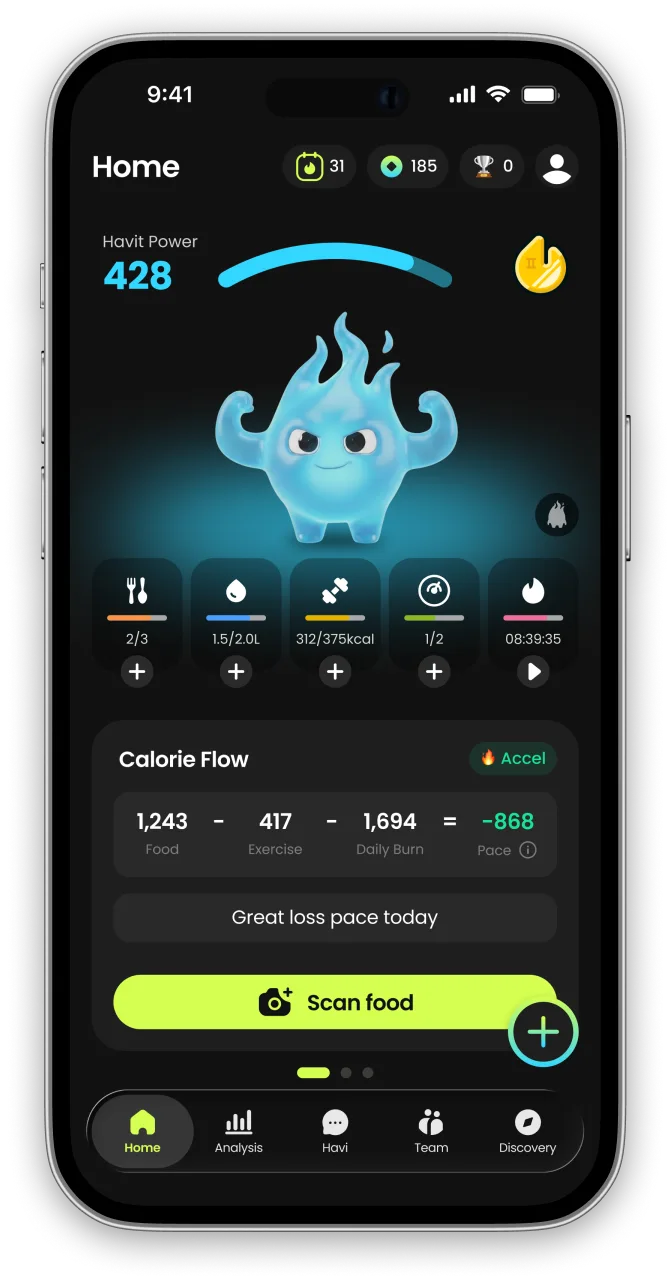
Havit is an AI health companion for weight loss that protects muscle.
Unlike calorie-only trackers, Havit connects AI body-composition estimates, nutrition, hydration, sleep, steps, cycle, mood, and GLP-1 medication in one daily routine — so progress is measured by body composition, not just the number on the scale. Daily missions turn established behavior-change techniques into small repeatable actions, drawing on expertise from professionals formerly at Juvis Diet, one of Korea’s leading metabolic clinics.
In Havit’s own analysis of 1,090 GLP-1 users, people who logged consistently built stronger habits than the general user base. Read the GLP-1 Habit Report
Havit works with or without GLP-1 medication. It is a wellness app, not a medical device; body-composition results are estimates.
Continue in the App
Personalized wellness with your own data


References
- Hypoglycemia Risk in GLP-1 Receptor Agonist Combination Therapy: A Real-World Analysis of 12,847 Patients — Diabetes Care, 2025
- Clinical Practice Guidelines for Combination Therapy with Incretin-Based Medications: Dose Adjustment Protocols — Journal of Clinical Endocrinology & Metabolism, 2024
- Pharmacy Claims Analysis of GLP-1 Initiation Patterns and Concurrent Medication Adjustments — Journal of Clinical Endocrinology & Metabolism, 2024
- Comparative Safety of Sulfonylureas in Combination with GLP-1 Receptor Agonists — Diabetes Care, 2025


