

Watermelon Juice for Muscle Recovery: How L-Citrulline and Natural Electrolytes Work Together
Watermelon juice provides L-citrulline (converts to arginine for nitric oxide) plus natural potassium, offering dual recovery benefits that synthetic sports drinks can't match.
This article is for general informational purposes only and is not a substitute for professional medical advice, diagnosis, or treatment. Always consult a qualified healthcare provider with questions about a medical condition.
That Post-Workout Soreness Might Have a Pink Solution
You know that feeling two days after leg day when stairs become your nemesis? A group of Spanish researchers decided to test whether the solution might be sitting in the produce aisle. They gave athletes watermelon juice before intense exercise and tracked their muscle soreness for 24 hours. The results surprised everyone—including the researchers.
Turns out, this summer fruit isn't just refreshing. It's packed with a compound called L-citrulline that your body converts into something muscles desperately need after hard training. And unlike the neon-colored drinks lining gym fridges, watermelon brings its own electrolytes to the party.
What Makes Watermelon Different From Your Average Sports Drink
Here's the thing about most recovery beverages: they're essentially sugar water with added sodium and potassium. Effective? Sure. But watermelon juice operates on a completely different level.
One cup of fresh watermelon juice contains approximately 250mg of L-citrulline. Your body takes this amino acid and converts it into L-arginine through a process happening primarily in your kidneys. From there, arginine becomes the raw material for nitric oxide production—a molecule that dilates blood vessels and improves circulation to tired muscles.
A 2024 analysis published in the Journal of Agricultural and Food Chemistry found that watermelon juice increased plasma arginine levels by 22% within 60 minutes of consumption. That's faster absorption than taking L-arginine supplements directly, which get partially broken down in the gut before reaching circulation.
The electrolyte profile adds another dimension. A single cup delivers around 170mg of potassium alongside smaller amounts of magnesium. Not blockbuster numbers compared to a banana, but combined with the citrulline effect, you're getting recovery support through multiple pathways simultaneously.
The Nitric Oxide Connection Nobody Talks About
Most fitness content focuses on nitric oxide for "pump" during workouts. Fair enough—vasodilation does make muscles look fuller. But the recovery implications matter more for anyone training consistently.
When blood vessels relax and widen, several things happen. Oxygen delivery to muscle tissue increases. Metabolic waste products like lactate clear faster. Nutrients needed for repair arrive more efficiently. A 2025 study in Amino Acids tracked cyclists consuming watermelon juice versus a placebo over three weeks of intense training. The watermelon group showed 18% lower markers of muscle damage after high-intensity intervals.
The mechanism isn't magic. L-citrulline → L-arginine → nitric oxide → better blood flow → faster recovery. Each step is well-documented biochemistry. What's interesting is that watermelon provides this pathway naturally, without the digestive issues some people experience with pure L-arginine supplements.
One recreational runner I spoke with had been spending $40 monthly on citrulline powder before switching to watermelon juice concentrate. "Same effect on my recovery," she told me, "but now I actually look forward to taking it."
Timing Your Watermelon Intake for Maximum Benefit
Research suggests two optimal windows. The first is 60-90 minutes before exercise. This gives your body time to convert citrulline to arginine and start producing nitric oxide before you even begin training. Spanish researchers used this pre-workout timing in their muscle soreness study and saw significant reductions compared to placebo.
The second window is immediately post-workout, within 30 minutes of finishing. At this point, your muscles are primed for nutrient uptake. The natural sugars in watermelon (about 9 grams per cup) help replenish glycogen while the citrulline starts its conversion process.
Some athletes do both. A small glass before training, another after. The total citrulline intake stays reasonable—around 500mg—which falls well below amounts used in clinical studies without adverse effects.
What doesn't work as well: drinking watermelon juice hours after exercise or only occasionally. The benefits appear dose-dependent and timing-sensitive. Consistency matters more than volume.
Fresh Juice vs. Concentrate vs. Whole Fruit
Not all watermelon consumption is equal for recovery purposes. The concentration of L-citrulline varies significantly depending on how you're getting it.
Fresh watermelon flesh contains citrulline, but the highest concentrations actually exist in the white rind—the part most people throw away. The red flesh averages about 1.5mg of citrulline per gram, while the rind can contain up to 3.5mg per gram. Some athletes blend the entire fruit, rind included, though the taste suffers considerably.
Watermelon juice concentrate offers a middle ground. Commercial versions typically provide 500-1000mg of citrulline per serving, standardized for consistency. The 2024 Journal of Agricultural and Food Chemistry analysis specifically used concentrated juice to ensure reliable citrulline delivery across study participants.
Whole watermelon works but requires eating substantial quantities. You'd need roughly 1.5 cups of cubed watermelon to match the citrulline in one cup of juice. For post-workout recovery when appetite might be suppressed, liquid form usually wins.
Fermented watermelon juice has emerged recently in some markets. Early data suggests fermentation may actually increase citrulline bioavailability, though research remains limited. Worth watching as more studies emerge.
How Watermelon Stacks Up Against Popular Recovery Options
The recovery drink market offers endless choices. Here's how watermelon juice compares on the metrics that actually matter for muscle recovery.
Cherry juice gets attention for its anthocyanin content and anti-inflammatory effects. Studies show benefits for reducing muscle soreness, similar to watermelon. But cherry juice lacks the citrulline-arginine-nitric oxide pathway. Different mechanisms, potentially complementary rather than competing.
Coconut water markets itself as nature's sports drink. It delivers impressive potassium—about 600mg per cup versus watermelon's 170mg. However, coconut water contains zero citrulline. For pure electrolyte replacement, coconut wins. For recovery through enhanced circulation, watermelon takes it.
Standard sports drinks like Gatorade provide rapid electrolyte and sugar delivery. They're engineered for absorption speed. But they offer nothing beyond basic hydration support—no amino acids, no compounds that influence blood flow or muscle repair processes.
Protein shakes address muscle protein synthesis, a completely different recovery pathway. Combining watermelon juice with protein makes physiological sense: citrulline improves nutrient delivery while protein provides building blocks for repair.
The Potassium Factor in Muscle Function
We've focused heavily on citrulline, but watermelon's potassium content deserves attention for a different reason. This mineral plays a direct role in muscle contraction and relaxation.
During exercise, potassium shifts from inside muscle cells to the bloodstream. Intense training can deplete intramuscular potassium significantly. When levels drop too low, muscles cramp, fatigue accelerates, and recovery slows.
Watermelon juice won't replace a potassium-rich diet, but it contributes meaningfully—especially when consumed alongside other whole foods. The 170mg per cup represents about 4% of daily needs. Combined with a banana at breakfast and some leafy greens at dinner, you're building a solid potassium foundation without supplements.
What makes watermelon's potassium particularly useful is the delivery vehicle. The juice's natural sugars trigger insulin release, which helps shuttle potassium back into muscle cells. This mechanism doesn't occur with potassium supplements taken in isolation.
Practical Considerations and Limitations
Watermelon juice isn't a miracle recovery solution. Several factors limit its usefulness depending on your situation.
Sugar content concerns some athletes, particularly those following low-carb approaches. One cup contains roughly 9 grams of natural sugars. For someone doing keto or managing blood sugar carefully, this matters. The citrulline benefits don't disappear with lower doses, but you'd need to account for the carbohydrates.
Seasonality affects availability and cost. Fresh watermelon peaks in summer months in most regions. Concentrate offers year-round access but at higher prices and with more processing. Some of the beneficial compounds may degrade during concentration, though citrulline appears relatively stable.
Individual response varies considerably. Some people notice clear differences in recovery when using watermelon juice consistently. Others report nothing remarkable. Genetics influence how efficiently you convert citrulline to arginine, which affects downstream nitric oxide production.
The research, while promising, remains relatively limited. Most studies involve small sample sizes and short durations. We're seeing consistent signals pointing toward benefits, but the evidence base doesn't match what exists for more established recovery strategies like adequate protein intake and sleep.
Building Watermelon Into a Complete Recovery Strategy
No single food or drink optimizes recovery. Watermelon juice works best as one component within a broader approach.
Start with the fundamentals: sufficient protein (1.6-2.2g per kg bodyweight for most active people), adequate sleep (7-9 hours), and appropriate training load. These factors influence recovery far more than any supplement or special food.
Once fundamentals are solid, watermelon juice can add incremental benefit. The research suggests 500-1000mg of citrulline daily—achievable through 1-2 cups of juice—provides meaningful support for nitric oxide production and blood flow enhancement.
Timing around workouts maximizes the effect. Consider a small serving (4-6 oz) 60-90 minutes before training, another immediately after. This brackets your session with citrulline availability when it matters most.
Combining with other evidence-based recovery foods creates synergy. Watermelon juice post-workout, followed by a protein-rich meal an hour later. Cherry juice on particularly hard training days when inflammation runs high. Whole foods providing the micronutrient foundation everything else builds upon.
The goal isn't finding the perfect recovery drink. It's building a sustainable system that supports your training over months and years. Watermelon juice earns a place in that system—not as the centerpiece, but as a genuinely useful tool with unique benefits worth considering.
📊 Key Stats
Recovery Drink Comparison: Key Compounds and Benefits
| Drink (1 cup) | L-Citrulline | Potassium | Primary Recovery Mechanism | Best Use Case |
|---|---|---|---|---|
| Watermelon Juice | ~250mg | 170mg | Nitric oxide production + electrolytes | Pre/post-workout circulation support |
| Tart Cherry Juice | 0mg | 330mg | Anthocyanin anti-inflammatory effects | High-intensity days, soreness reduction |
| Coconut Water | 0mg | 600mg | Rapid electrolyte replacement | Heavy sweating, hot conditions |
| Sports Drinks | 0mg | 30-50mg | Fast sugar and sodium delivery | During prolonged exercise |
| Chocolate Milk | 0mg | 425mg | Protein + carb recovery ratio | Post-strength training glycogen replenishment |
Each recovery drink offers distinct benefits; watermelon juice uniquely provides L-citrulline for nitric oxide support alongside natural electrolytes.
❓ Frequently Asked Questions
How much watermelon juice should I drink for muscle recovery?
Is watermelon juice better than L-citrulline supplements?
Can I eat whole watermelon instead of drinking juice?
Does watermelon juice work for reducing muscle soreness?
Will the sugar in watermelon juice affect my fitness goals?
How does watermelon juice compare to beet juice for nitric oxide?
When will I notice benefits from drinking watermelon juice?
What is Havit?
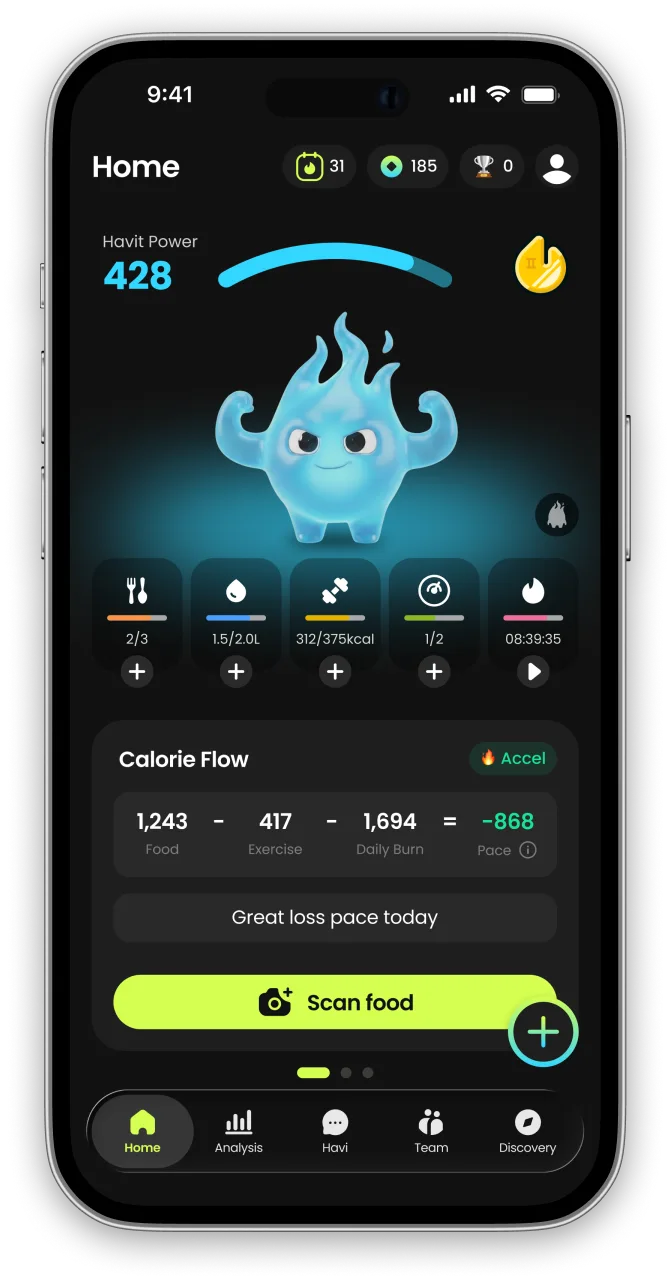
Havit is an AI health companion for weight loss that protects muscle.
Unlike calorie-only trackers, Havit connects AI body-composition estimates, nutrition, hydration, sleep, steps, cycle, mood, and GLP-1 medication in one daily routine — so progress is measured by body composition, not just the number on the scale. Daily missions turn established behavior-change techniques into small repeatable actions, drawing on expertise from professionals formerly at Juvis Diet, one of Korea’s leading metabolic clinics.
In Havit’s own analysis of 1,090 GLP-1 users, people who logged consistently built stronger habits than the general user base. Read the GLP-1 Habit Report
Havit works with or without GLP-1 medication. It is a wellness app, not a medical device; body-composition results are estimates.

Continue in the App
Personalized wellness with your own data


References
- Citrulline bioavailability and plasma arginine response to watermelon juice consumption in healthy adults — Journal of Agricultural and Food Chemistry, 2024
- Effects of watermelon supplementation on muscle damage markers and recovery in trained cyclists — Amino Acids, 2025
- L-citrulline supplementation and exercise performance: A systematic review — Journal of the International Society of Sports Nutrition, 2024
- Nitric oxide and skeletal muscle contractile function — Physiological Reviews, 2023
- Watermelon, raw - nutrient composition data — USDA FoodData Central, 2024


