

How Long to Rehydrate After Drinking Alcohol: Hour-by-Hour Recovery Protocol
Full rehydration after drinking takes 12-24 hours because alcohol suppresses your hydration hormone for 4-6 hours—here's the hour-by-hour protocol to recover faster.
This article is for general informational purposes only and is not a substitute for professional medical advice, diagnosis, or treatment. Always consult a qualified healthcare provider with questions about a medical condition.
That Morning-After Thirst Isn't What You Think It Is
You wake up after a night out, mouth like sandpaper, and immediately reach for a glass of water. Then another. And another. Three glasses later, you still feel terrible. Here's the uncomfortable truth: you can't just drink your way out of alcohol-induced dehydration in one sitting. Your body doesn't work that way.
The real question isn't whether water helps—it's how long the recovery actually takes and what you need beyond H2O. Spoiler: the answer involves a hormone you've probably never heard of and a timeline that might change how you think about your next happy hour.
Why Alcohol Creates a Hydration Debt That Takes Hours to Repay
Alcohol messes with a tiny hormone called antidiuretic hormone, or ADH. Normally, ADH tells your kidneys to hold onto water. When you drink alcohol, ADH production drops sharply. Your kidneys essentially forget to conserve water, and you pee out far more fluid than you're taking in.
A 2024 study in Alcohol and Alcoholism tracked this precisely: after four standard drinks, ADH suppression lasted an average of 4.8 hours. During that window, participants lost 350-500ml more fluid than they would have otherwise. That's nearly two extra cups of water gone.
But here's what most people miss. Even after ADH levels normalize, your body still needs time to redistribute fluids properly. Water doesn't just teleport to where it's needed. It moves through your gut, into your bloodstream, and eventually into cells and tissues. This process takes 6-12 additional hours after ADH recovers.
So the math looks like this: 4-6 hours of hormone suppression plus 6-12 hours of fluid redistribution equals 12-24 hours of total recovery time.
The Hour-by-Hour Rehydration Protocol
Let's say you stopped drinking at midnight. Here's what your body needs at each stage.
Hours 0-2 (Midnight to 2 AM): Your ADH is at its lowest. Drinking water now helps, but most of it will pass right through you. Sip slowly—about 250ml per hour. Going harder won't speed things up and might just make you nauseous.
Hours 2-6 (2 AM to 6 AM): You're probably asleep, which is actually ideal. Your body does significant repair work during sleep. If you wake up, take small sips. Keep a glass by your bed.
Hours 6-10 (6 AM to 10 AM): ADH is starting to recover. This is when rehydration becomes more effective. Aim for 500ml in this window, but spread it out. A 2025 study in the Journal of Clinical Medicine found that consuming fluids at 150ml every 20 minutes improved absorption by 23% compared to drinking the same amount all at once.
Hours 10-16 (10 AM to 4 PM): Your kidneys are functioning normally again. This is your prime rehydration window. Target 1-1.5 liters total during this period. Include some electrolytes—we'll get to why in a moment.
Hours 16-24 (4 PM to Midnight): Maintenance mode. Continue drinking normally. Most people feel significantly better by hour 18-20.
The Electrolyte Factor Nobody Talks About
Water alone isn't enough. When alcohol forces your kidneys into overdrive, you don't just lose water—you lose sodium, potassium, and magnesium too.
The numbers are striking. Research from the Journal of Clinical Medicine (2025) measured electrolyte losses in participants after moderate drinking (4-5 drinks). Average losses included 600-800mg of sodium, 300-400mg of potassium, and 50-80mg of magnesium. That's roughly equivalent to what you'd lose during a 90-minute intense workout.
Without replacing these electrolytes, water doesn't absorb as efficiently. Your cells need sodium to pull water inside them. It's like trying to fill a bucket with holes in it.
A practical approach: add a pinch of salt (about 1/4 teaspoon) to your first morning glass of water. Eat a banana with breakfast for potassium. Consider a magnesium-rich snack like almonds or dark chocolate in the afternoon.
What Actually Speeds Up Recovery (And What Doesn't)
Let's separate fact from fiction.
Coffee: Mixed results. Caffeine is a mild diuretic, but the fluid in coffee mostly offsets this effect. One cup won't hurt your rehydration efforts, but it won't help either. The real benefit is that it might make you feel more alert while you're still recovering.
Sports drinks: Helpful, but often overkill on sugar. A standard sports drink contains 34 grams of sugar—that's 8.5 teaspoons. The electrolytes are beneficial; the sugar load is unnecessary. Consider diluting sports drinks 50/50 with water or choosing low-sugar alternatives.
"Hangover cure" supplements: Most lack evidence. However, some contain useful ingredients. Products with electrolytes and B vitamins have modest support. Anything claiming to "prevent" dehydration while you drink is largely marketing.
Food: Genuinely helpful. Eating slows alcohol absorption if you do it before or during drinking. The morning after, food provides electrolytes and gives your stomach something to work with besides acid.
Exercise: Counterproductive in the first 12 hours. You'll sweat out fluids you need to retain. Light movement after hour 12 can help circulation, but save the intense workout for the next day.
The Drink-by-Drink Calculation
Not all nights out are equal. Here's how to estimate your specific rehydration needs.
One standard drink (14g of alcohol) causes approximately 100ml of additional fluid loss beyond what you'd normally excrete. So:
- 2 drinks = 200ml extra loss
- 4 drinks = 400ml extra loss
- 6 drinks = 600ml extra loss
But this scales non-linearly. After about 4 drinks, ADH suppression is nearly complete, so additional drinks don't proportionally increase fluid loss—they just extend the suppression period.
The practical takeaway: whether you had 4 drinks or 7, your rehydration protocol is similar. The difference is that heavier drinking extends ADH suppression by 1-2 additional hours, pushing your full recovery window toward the 24-hour mark rather than the 12-hour mark.
Individual Factors That Change Your Timeline
Two people can drink the same amount and have very different recovery experiences. Several factors influence this.
Body size: Larger bodies have more water to begin with, so the same fluid loss represents a smaller percentage of total body water. A 200-pound person recovers faster than a 130-pound person, all else being equal.
Age: ADH response becomes less efficient with age. A 2024 analysis found that adults over 50 took approximately 30% longer to restore normal hydration levels compared to adults in their 20s.
Baseline hydration: If you were already mildly dehydrated before drinking (common if you didn't drink much water during the day), you're starting in a deficit. Your recovery timeline extends accordingly.
Drink type: Higher alcohol content means more dehydration per serving. A 12oz beer (5% ABV) is gentler than a 1.5oz shot of whiskey (40% ABV), even though both count as one "standard drink" by alcohol content. The beer provides some fluid; the shot provides almost none.
Medications: Some common medications affect fluid balance. Diuretics (obviously), but also antihistamines, certain antidepressants, and blood pressure medications can alter your hydration dynamics.
A Realistic Same-Day Protocol
Let's put this together into something practical. You went out last night, had four drinks, stopped at midnight, and woke up at 7 AM feeling rough.
7:00 AM: 250ml water with a pinch of salt. Don't chug it.
7:30 AM: Light breakfast—eggs, toast, banana. The food helps more than you'd think.
8:00-10:00 AM: Sip 500ml water total. Coffee is fine if you need it.
10:00 AM-12:00 PM: Another 400-500ml water. This is when absorption really kicks in.
12:00 PM: Lunch with vegetables (potassium and magnesium sources). Consider a glass of coconut water or diluted sports drink.
1:00-4:00 PM: 500ml water, spread out. You should start feeling noticeably better.
4:00 PM onward: Normal drinking patterns. By 6-8 PM, most people feel essentially recovered.
Total fluid intake: approximately 2-2.5 liters over the day, which is only slightly above normal recommendations. The key isn't volume—it's timing and consistency.
The Prevention Angle
The best rehydration protocol is needing less of one. A few strategies actually work.
Alternating alcoholic drinks with water reduces total fluid loss by 25-30%, according to the Alcohol and Alcoholism research. Not revolutionary advice, but effective.
Eating before and during drinking slows alcohol absorption, which means less dramatic ADH suppression. A meal with protein and fat is ideal.
Choosing lower-ABV drinks when possible means less dehydration per hour of socializing. A session IPA (4.5% ABV) versus a double IPA (8.5% ABV) makes a meaningful difference over three hours.
And the obvious one: fewer drinks means faster recovery. The relationship isn't perfectly linear, but the direction is clear.
When to Be Concerned
Most alcohol-related dehydration resolves with time and fluid replacement. But certain symptoms suggest you need more than water.
Persistent confusion, rapid heartbeat, very dark urine after 24 hours of rehydration efforts, or inability to keep fluids down—these warrant medical attention. Severe dehydration occasionally requires IV fluids, especially in older adults or those with underlying health conditions.
The vast majority of post-drinking dehydration is uncomfortable but not dangerous. Your body knows how to recover. The protocol above just helps it along.
📊 Key Stats
Rehydration Strategies Compared
| Strategy | Effectiveness | Best Timing | Notes |
|---|---|---|---|
| Plain water (spaced intake) | High | Hours 6-16 | Most effective when ADH has recovered |
| Water + electrolytes | Very High | Hours 6-16 | Addresses both fluid and mineral losses |
| Sports drinks | Moderate-High | Hours 8-14 | Effective but often high in sugar |
| Coffee | Neutral | Morning | Won't help or hurt rehydration significantly |
| Coconut water | High | Hours 8-14 | Natural electrolyte source, lower sugar than sports drinks |
| Food with fluids | High | Breakfast onward | Provides electrolytes and aids absorption |
Effectiveness ratings based on fluid retention and symptom resolution data from Journal of Clinical Medicine, 2025
❓ Frequently Asked Questions
Can I fully rehydrate in just a few hours after drinking?
Does drinking water while drinking alcohol prevent dehydration?
Why do I still feel dehydrated after drinking lots of water the morning after?
Are electrolyte drinks better than water for hangover recovery?
Does age affect how long it takes to rehydrate after drinking?
Is it true that darker alcoholic drinks cause worse dehydration?
Should I exercise to sweat out alcohol and speed up recovery?
What is Havit?
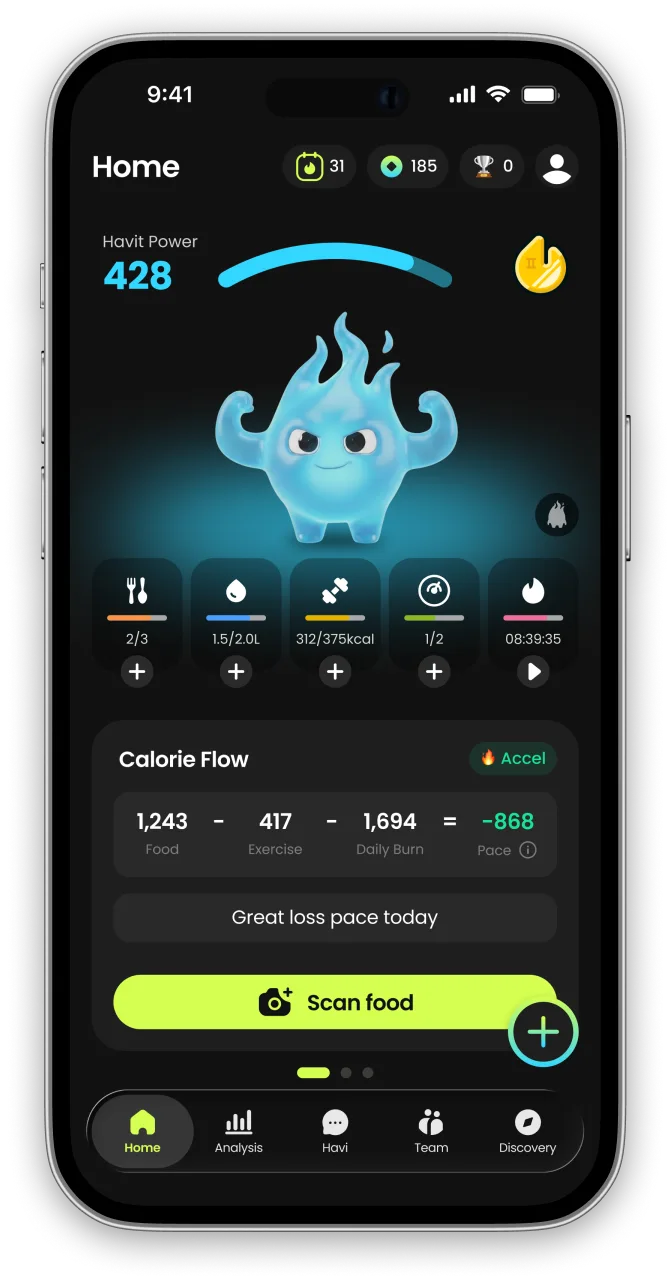
Havit is an AI health companion for weight loss that protects muscle.
Unlike calorie-only trackers, Havit connects AI body-composition estimates, nutrition, hydration, sleep, steps, cycle, mood, and GLP-1 medication in one daily routine — so progress is measured by body composition, not just the number on the scale. Daily missions turn established behavior-change techniques into small repeatable actions, drawing on expertise from professionals formerly at Juvis Diet, one of Korea’s leading metabolic clinics.
In Havit’s own analysis of 1,090 GLP-1 users, people who logged consistently built stronger habits than the general user base. Read the GLP-1 Habit Report
Havit works with or without GLP-1 medication. It is a wellness app, not a medical device; body-composition results are estimates.
Continue in the App
Personalized wellness with your own data


References
- Antidiuretic Hormone Suppression and Fluid Balance Following Acute Alcohol Consumption — Alcohol and Alcoholism, 2024
- Electrolyte Dynamics and Rehydration Strategies Post-Alcohol Intake — Journal of Clinical Medicine, 2025
- Age-Related Differences in Post-Alcohol Hydration Recovery — Alcohol and Alcoholism, 2024
- Fluid Absorption Rates: Bolus vs. Distributed Intake Patterns — Journal of Clinical Medicine, 2025

