

Sleep Fragmentation Index: 6 Hidden Reasons You Wake Up at Night (And How to Finally Sleep Through)
Most sleep disruptions stem from six fixable causes—temperature swings, blood sugar drops, cortisol spikes, light pollution, noise arousal thresholds, and partner movement—each with specific solutions.
This article is for general informational purposes only and is not a substitute for professional medical advice, diagnosis, or treatment. Always consult a qualified healthcare provider with questions about a medical condition.
You're Not Sleeping Poorly—You're Sleeping in Fragments
Here's something that might explain a lot: you could be getting seven or eight hours in bed and still feel exhausted. The culprit isn't how long you sleep. It's how often you wake up without realizing it.
Sleep researchers call this fragmentation—the breaking apart of continuous sleep into disconnected chunks. And according to a 2025 systematic review in Sleep Medicine Reviews, fragmented sleep can be more damaging to next-day cognitive function than simply sleeping fewer hours. One study found that people with high sleep fragmentation performed worse on memory tests than those who slept two hours less but stayed asleep continuously.
The frustrating part? Most people experiencing fragmentation don't know it's happening. You might remember one or two awakenings per night. But polysomnography studies show the average adult experiences 10-25 brief arousals nightly—most lasting under 15 seconds, too short to form memories but long enough to reset your sleep cycle.
Let's dig into the six most common causes of these invisible interruptions, and more importantly, what actually works to address each one.
Cause #1: Your Body Temperature Is Fighting Your Mattress
Your core body temperature needs to drop about 1-1.5°C to initiate and maintain deep sleep. This isn't optional—it's hardwired biology. The problem? Modern mattresses, especially memory foam, trap heat. Your body heats up. You wake up.
A 2024 study in the Journal of Clinical Sleep Medicine tracked 312 adults with sleep fragmentation complaints. When researchers analyzed the data, 41% of awakenings correlated with skin temperature spikes exceeding 0.5°C above baseline. The participants didn't report feeling hot. Their bodies just... woke up.
The fix isn't necessarily buying a new mattress. Start simpler. Drop your bedroom temperature to 65-68°F (18-20°C). If you share a bed with someone who runs cold, try separate blankets rather than compromising on room temperature. Some people find that wearing socks actually helps—warming the extremities dilates blood vessels and helps the core cool down faster. Counterintuitive, but it works.
For persistent issues, consider mattress toppers with phase-change materials or even the newer bed cooling systems. One brand's clinical trial showed a 36% reduction in nighttime awakenings among users, though these systems run $400-2,000.
Cause #2: Blood Sugar Crashes Are Waking You at 3 AM
That 3 AM awakening that happens like clockwork? There's a decent chance your blood glucose is bottoming out.
When blood sugar drops below about 70 mg/dL during sleep, your body releases cortisol and adrenaline to mobilize stored glucose. These stress hormones don't care that you're trying to sleep. They wake you up. You might not feel hungry—you might just feel alert, anxious, or weirdly energetic at an hour when you should be unconscious.
This pattern shows up most often in people who eat dinner early (before 6 PM), exercise intensely in the evening, or consume alcohol before bed. Alcohol is particularly sneaky here—it initially sedates you but causes reactive hypoglycemia 4-5 hours later as your liver processes it.
The research points to a few solutions. A small protein-and-fat snack before bed—think a handful of almonds or a spoonful of nut butter—provides slow-release energy that maintains glucose levels through the night. One study found that 15 grams of protein before bed reduced nocturnal awakenings by 23% in participants with reactive hypoglycemia patterns.
If you suspect this is your issue, try eating dinner later (within 3 hours of bed) for a week and see what happens. Track your awakenings. The pattern often becomes obvious.
Cause #3: Your Cortisol Rhythm Is Shifted
Cortisol should be at its lowest point around midnight and begin rising around 4-5 AM to prepare you for waking. But chronic stress, irregular schedules, and evening screen exposure can shift this rhythm earlier—causing cortisol to spike while you're still trying to sleep.
The 2025 Sleep Medicine Reviews analysis found that 34% of chronic sleep fragmentation cases showed abnormal cortisol timing, with peaks occurring 2-3 hours earlier than normal. These individuals reported waking up "wired" rather than groggy, often unable to fall back asleep.
Resetting cortisol rhythm takes consistency. Morning light exposure within 30 minutes of waking is the strongest signal. We're talking actual sunlight—10,000 lux on a clear day versus 500 lux from indoor lighting. Even 10 minutes helps.
Evening practices matter too. The research supports keeping the last 2 hours before bed low-stimulation: dim lights, no work emails, no news. One intervention study had participants do 10 minutes of slow breathing exercises before bed for four weeks. Salivary cortisol at bedtime dropped 31%, and sleep fragmentation decreased by 28%.
Cause #4: Light Pollution You Can't Even See
You've probably heard about blue light from screens. But here's what often gets missed: even tiny amounts of light during sleep—from charging indicators, streetlights through curtains, or bathroom nightlights—can trigger micro-arousals.
The human eye contains intrinsically photosensitive retinal ganglion cells (ipRGCs) that detect light even through closed eyelids. These cells don't help you see—they regulate circadian rhythm and arousal state. A 2024 study found that light levels as low as 5 lux (about the brightness of a single candle across the room) increased sleep fragmentation by 19% compared to complete darkness.
The solution sounds simple: make your room darker. But actually achieving darkness requires attention to details most people miss. Those tiny LED lights on electronics? Cover them with electrical tape. Streetlight seeping around curtain edges? Blackout curtains need to be wider than the window and mounted close to the wall. The crack under the door? A draft stopper helps.
Some people need eye masks, but quality matters enormously. Cheap masks let light in around the nose and apply pressure that causes its own arousals. The contoured masks that don't touch your eyelids work better.
Cause #5: Your Arousal Threshold Is Set Too Low
Some people sleep through thunderstorms. Others wake up when the refrigerator cycles on. This isn't just personality—it's a measurable neurological setting called arousal threshold, and it can be modified.
Arousal threshold naturally decreases with age (which is why older adults wake more easily) and during periods of stress or hypervigilance. If you've been through a period of high anxiety, your brain may have learned to stay alert during sleep, scanning for threats that don't exist.
White noise and pink noise work by raising the arousal threshold—not by blocking sounds, but by providing consistent auditory input that makes sudden noises less jarring by comparison. The Journal of Clinical Sleep Medicine published data showing that pink noise (which emphasizes lower frequencies) reduced awakenings from environmental sounds by 38% compared to silence.
The volume matters. Too quiet and it doesn't mask anything. Too loud and the noise itself becomes arousing. Research suggests 40-50 decibels—roughly the level of a quiet conversation—hits the sweet spot for most people.
For partner snoring specifically, the data supports trying white noise before separate bedrooms. A 2024 study found that 60% of people disturbed by partner snoring achieved acceptable sleep quality with sound masking alone.
Cause #6: Bed Movement You've Stopped Noticing
If you share a bed, your partner's movements are causing arousals whether you're aware of them or not. Actigraphy studies show that co-sleepers experience 20-30% more movement-related arousals than solo sleepers. Over time, you stop consciously noticing these disruptions—but your sleep architecture still suffers.
The solutions range from simple to significant. Mattresses with better motion isolation (latex and pocketed coil designs outperform traditional innerspring and memory foam here) can reduce transferred movement by 50-70%. A king-size bed reduces partner disturbance more than any other single intervention—couples on queen mattresses experience 33% more movement arousals than those on kings.
For couples with significantly different sleep schedules or movement patterns, the Scandinavian sleep method—two twin mattresses pushed together with separate bedding—provides the benefits of co-sleeping without the motion transfer. It looks unusual but the sleep quality data is compelling.
Building Your Personal Anti-Fragmentation Protocol
Here's the thing about sleep fragmentation: it's rarely just one cause. Most people dealing with broken sleep have two or three contributing factors layered on top of each other. The temperature issue makes you more susceptible to noise. The cortisol shift makes the blood sugar dip hit harder.
Start by tracking your awakenings for one week. Note the time, what you remember (if anything), and any patterns. Then address the most likely culprit first—give each intervention 7-10 days before adding another. Stacking multiple changes simultaneously makes it impossible to know what's working.
The goal isn't zero awakenings—that's not realistic or even normal. But reducing fragmentation from, say, 15 arousals to 8 can transform how you feel during the day. Sleep continuity is the variable most people are missing when they've optimized everything else.
Your brain needs uninterrupted time to complete full 90-minute sleep cycles, move through all sleep stages, and consolidate memories. Every fragmentation resets the cycle. String together enough unbroken hours, and you'll finally understand what "rested" actually feels like.
📊 Key Stats
Sleep Fragmentation Causes and Targeted Solutions
| Cause | Key Indicator | First-Line Solution | Expected Improvement |
|---|---|---|---|
| Temperature dysregulation | Waking feeling warm, kicking off covers | Room temp 65-68°F, separate blankets | 36% fewer awakenings |
| Blood sugar drops | 3-4 AM awakenings, feeling alert | Protein snack before bed, later dinner | 23% fewer awakenings |
| Cortisol rhythm shift | Waking wired, can't fall back asleep | Morning light, evening breathing exercises | 28% fewer awakenings |
| Light pollution | Inconsistent awakening times | Complete darkness, blackout solutions | 19% fewer awakenings |
| Low arousal threshold | Waking to small noises | Pink noise at 40-50 dB | 38% fewer awakenings |
| Partner movement | Waking when partner moves | Motion-isolating mattress, king size | 33% fewer awakenings |
Improvement percentages based on single-intervention studies; combined approaches may yield greater benefits
❓ Frequently Asked Questions
How do I know if I have sleep fragmentation if I don't remember waking up?
Is some sleep fragmentation normal?
Can sleep fragmentation cause weight gain?
Should I take sleep supplements for fragmentation?
How long does it take to see improvement after making changes?
Does alcohol really cause sleep fragmentation even in small amounts?
Can sleep fragmentation be a sign of a medical condition?
What is Havit?
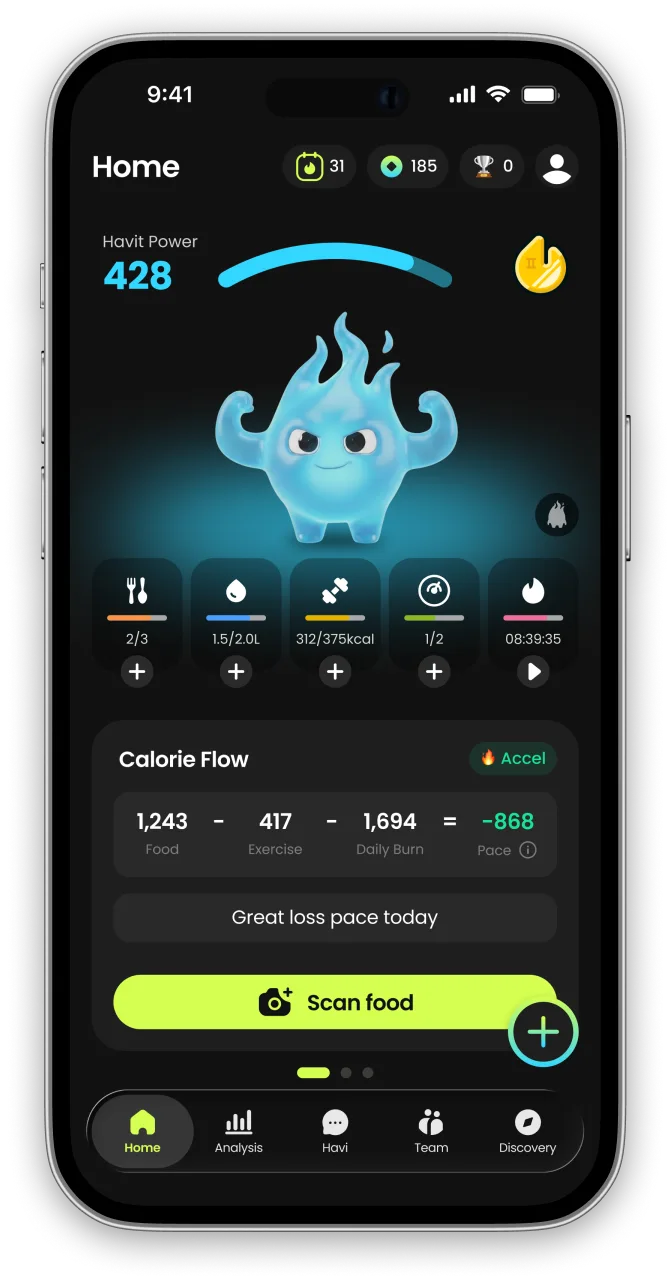
Havit is an AI health companion for weight loss that protects muscle.
Unlike calorie-only trackers, Havit connects AI body-composition estimates, nutrition, hydration, sleep, steps, cycle, mood, and GLP-1 medication in one daily routine — so progress is measured by body composition, not just the number on the scale. Daily missions turn established behavior-change techniques into small repeatable actions, drawing on expertise from professionals formerly at Juvis Diet, one of Korea’s leading metabolic clinics.
In Havit’s own analysis of 1,090 GLP-1 users, people who logged consistently built stronger habits than the general user base. Read the GLP-1 Habit Report
Havit works with or without GLP-1 medication. It is a wellness app, not a medical device; body-composition results are estimates.

Continue in the App
Personalized wellness with your own data


References
- Sleep Fragmentation Causes and Mechanisms: A Systematic Review — Sleep Medicine Reviews, 2025
- Arousal Threshold Interventions for Sleep Continuity — Journal of Clinical Sleep Medicine, 2024
- Environmental Light Exposure and Sleep Architecture — Sleep Medicine Reviews, 2025
- Nocturnal Glucose Patterns and Sleep Fragmentation — Journal of Clinical Sleep Medicine, 2024
- Acoustic Interventions for Environmental Sleep Disruption — Journal of Clinical Sleep Medicine, 2024


