

Histamine Intolerance: Why Your Allergy Tests Are Negative But You Still Feel Terrible
Histamine intolerance affects up to 3% of people and causes allergy-like symptoms even when standard tests are negative—dietary changes can bring relief within weeks.
This article is for general informational purposes only and is not a substitute for professional medical advice, diagnosis, or treatment. Always consult a qualified healthcare provider with questions about a medical condition.
That Weird Thing Where Wine Gives You a Headache But Your Doctor Says You're Fine
You've done the scratch tests. The blood panels. Maybe even an elimination diet supervised by an allergist. Everything comes back normal. Yet here you are, flushing red after a glass of aged cheese, or waking up congested after last night's leftover stir-fry. Sound familiar?
A 2024 study in the American Journal of Clinical Nutrition found that roughly 1-3% of the population experiences histamine intolerance—a condition that flies under the radar because it doesn't show up on conventional allergy testing. The disconnect is maddening. You know something's wrong. Your body screams it every time you eat certain foods. But the tests say you're imagining things.
You're not. Let's talk about what's actually happening.
What Histamine Intolerance Actually Is (And Isn't)
Histamine is a chemical your body produces naturally. It helps with digestion, acts as a neurotransmitter, and yes, triggers those classic allergy symptoms when you encounter pollen or pet dander. The difference with histamine intolerance? There's no allergen involved.
Instead, the problem is overflow. Your body has an enzyme called diamine oxidase (DAO) that breaks down histamine from food. When DAO levels are low or histamine intake is high, the chemical accumulates. Think of it like a bathtub with a slow drain—eventually, water spills over the edge.
A 2025 review in the journal Allergy confirmed that DAO deficiency underlies most cases of histamine intolerance. The researchers noted that genetic variations affecting DAO production occur in approximately 10-15% of the European population, though not everyone with these variants develops symptoms.
The Symptom List That Makes Doctors Scratch Their Heads
Histamine intolerance is a chameleon. It mimics allergies, migraines, digestive disorders, and anxiety—sometimes all at once.
The most common complaints include flushing and sudden skin redness, headaches that strike 20-30 minutes after eating, nasal congestion without a cold, heart palpitations, digestive upset ranging from bloating to diarrhea, and fatigue that feels disproportionate to your activity level. Some people report dizziness. Others notice their symptoms worsen around their menstrual cycle, since estrogen can inhibit DAO activity.
What makes this condition particularly frustrating is the delay. Unlike a true food allergy—where symptoms hit within minutes—histamine reactions can take hours to manifest. By then, you've eaten three more things and lost track of the culprit.
The Surprising Foods That Tank Your Histamine Bucket
Not all histamine comes from the same place. Some foods are naturally high in the compound. Others trigger your body to release its own stores. And a third category blocks DAO from doing its job.
Aged and fermented foods top the list. That artisanal cheese you love? Packed with histamine. Sauerkraut, kimchi, soy sauce, and wine have the same problem. The fermentation process that creates their complex flavors also generates histamine as a byproduct.
Fish gets tricky. Fresh-caught salmon poses minimal risk. But fish that's been sitting in the display case? Histamine levels climb rapidly as bacteria convert amino acids in the flesh. One study found histamine concentrations in improperly stored tuna reached 500 mg/kg—enough to cause symptoms in sensitive individuals from a single serving.
Then there are the liberators: foods that prompt your mast cells to dump their histamine reserves. Citrus fruits, strawberries, tomatoes, and chocolate fall into this camp. Alcohol does double duty, both containing histamine and blocking DAO.
A Two-Week Test You Can Run at Home
The gold standard for identifying histamine intolerance is an elimination diet followed by systematic reintroduction. It's not glamorous, but it works.
For 14-21 days, remove high-histamine foods entirely. Stick to fresh meat (cooked and eaten immediately), most vegetables except tomatoes and spinach, fresh fruits like apples and pears, gluten-free grains, and dairy alternatives. Keep a symptom journal—rate your headaches, congestion, energy, and digestion daily on a 1-10 scale.
After the elimination phase, reintroduce one category every three days. Start with something obvious, like aged cheese. Eat a moderate portion and wait 48 hours before adding anything new. The pattern that emerges will tell you more than any blood test.
A 2024 clinical trial found that 76% of participants with suspected histamine intolerance experienced significant symptom improvement within the first two weeks of a low-histamine diet. That's not a cure—but it's clarity.
The DAO Support Question: Supplements and Strategies
DAO supplements exist. They contain the enzyme derived from pig kidney, and you take them before meals to boost your histamine-breakdown capacity. Research is mixed but promising.
A 2023 randomized controlled trial showed that DAO supplementation reduced symptom severity by 23% compared to placebo in people with confirmed intolerance. The effect was most pronounced for digestive symptoms and headaches.
Beyond supplements, certain nutrients support natural DAO production. Vitamin B6, copper, and vitamin C all play roles in the enzyme's synthesis. A 2025 paper in Allergy specifically recommended ensuring adequate B6 intake (1.3-2.0 mg daily) for individuals managing histamine intolerance through diet.
Cooking methods matter too. Fresh food contains less histamine than leftovers. Freezing meat immediately after purchase prevents bacterial histamine production. Pressure cooking may reduce histamine content in some foods, though data is limited.
When It's Not Just Histamine
Here's the uncomfortable truth: histamine intolerance rarely exists in isolation. It overlaps with mast cell activation syndrome, small intestinal bacterial overgrowth (SIBO), and various gut permeability issues.
If a low-histamine diet helps but doesn't fully resolve your symptoms, the underlying cause may be more complex. Gut dysbiosis can impair DAO production. Chronic inflammation keeps histamine levels elevated. Some medications—including certain antidepressants, blood pressure drugs, and NSAIDs—interfere with histamine metabolism.
Working with a gastroenterologist or functional medicine practitioner can help untangle these threads. The goal isn't just symptom management; it's understanding why your histamine bucket overflows in the first place.
Living With It: Practical Day-to-Day Adjustments
Once you've mapped your triggers, life gets easier. Not perfect—but manageable.
Meal prep shifts toward cooking smaller batches more frequently. Leftovers become freezer meals instead of fridge meals. Restaurant dining requires asking about ingredient freshness, which feels awkward until it becomes habit.
Some people find they can tolerate moderate amounts of trigger foods when their overall histamine load is low. A glass of wine on a day when you've eaten fresh, simple foods? Maybe fine. That same glass after a charcuterie board? Recipe for a three-day headache.
The menstrual cycle connection deserves attention too. If symptoms spike premenstrually, being stricter with diet during that window can prevent flares. Tracking apps that combine food logging with cycle tracking can reveal patterns you'd otherwise miss.
This isn't about perfection. It's about understanding your body's particular quirks and working with them instead of against them.
📊 Key Stats
High-Histamine vs. Low-Histamine Food Swaps
| High-Histamine Food | Low-Histamine Alternative | Notes |
|---|---|---|
| Aged cheese (parmesan, cheddar) | Fresh mozzarella, ricotta | Aging process increases histamine content |
| Canned or leftover fish | Fresh-caught fish, cooked immediately | Histamine rises rapidly in stored seafood |
| Sauerkraut, kimchi | Fresh cabbage, cucumber | Fermentation produces histamine |
| Red wine | Vodka (in moderation) | Wine contains histamine and blocks DAO |
| Spinach, tomatoes | Lettuce, zucchini, carrots | Some vegetables are natural histamine liberators |
| Cured meats (salami, bacon) | Fresh chicken, turkey | Curing and smoking increase histamine |
| Citrus fruits | Apples, pears, melons | Citrus triggers histamine release |
Swapping high-histamine foods for lower alternatives can reduce symptom burden without eliminating entire food groups
❓ Frequently Asked Questions
Why don't allergy tests detect histamine intolerance?
How long does it take to see improvement on a low-histamine diet?
Can histamine intolerance develop suddenly in adulthood?
Are DAO supplements safe to take long-term?
Does cooking method affect histamine levels in food?
Can I ever eat high-histamine foods again?
Is histamine intolerance the same as mast cell activation syndrome?
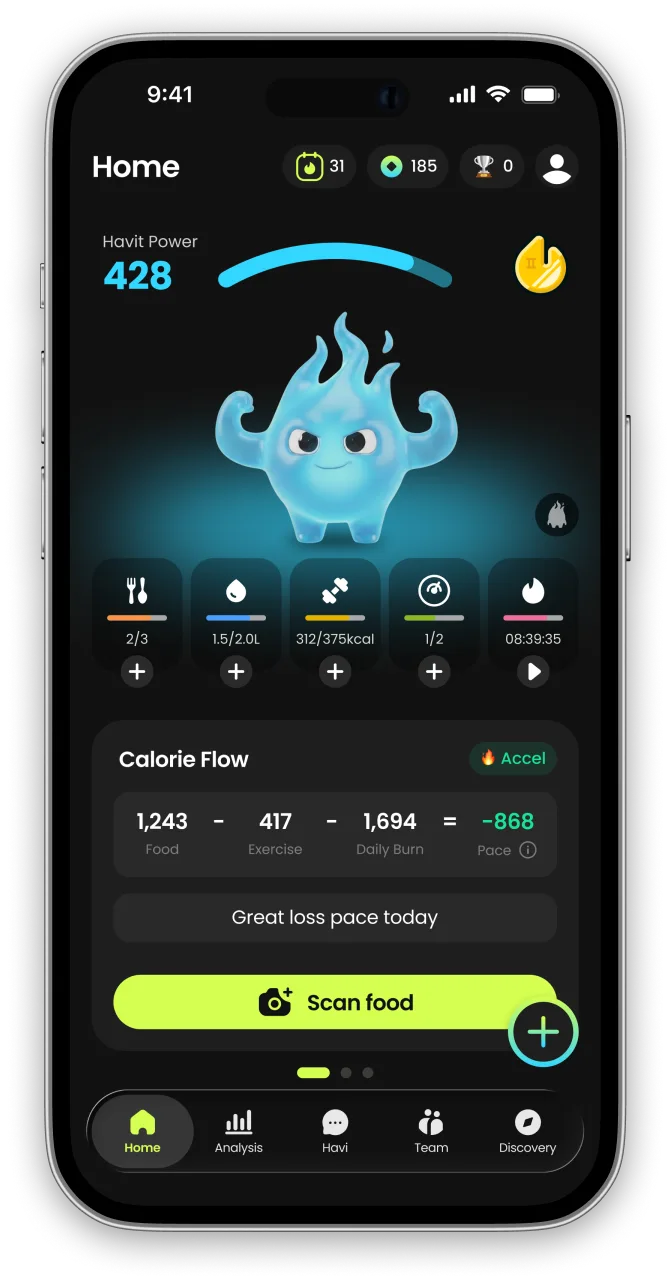
What is Havit?
Havit is an AI health companion for weight loss that protects muscle.
Unlike calorie-only trackers, Havit connects AI body-composition estimates, nutrition, hydration, sleep, steps, cycle, mood, and GLP-1 medication in one daily routine — so progress is measured by body composition, not just the number on the scale. Daily missions turn established behavior-change techniques into small repeatable actions, drawing on expertise from professionals formerly at Juvis Diet, one of Korea’s leading metabolic clinics.
In Havit’s own analysis of 1,090 GLP-1 users, people who logged consistently built stronger habits than the general user base. Read the GLP-1 Habit Report
Havit works with or without GLP-1 medication. It is a wellness app, not a medical device; body-composition results are estimates.

Continue in the App
Personalized wellness with your own data


References
- Prevalence and Clinical Presentation of Histamine Intolerance in Adult Populations — American Journal of Clinical Nutrition, 2024
- Diamine Oxidase Deficiency and Dietary Management Strategies — Allergy, 2025
- Efficacy of Diamine Oxidase Supplementation in Histamine Intolerance: A Randomized Controlled Trial — Nutrients, 2023
- Histamine Content in Commercially Available Fish Products — Food Chemistry, 2024
- The Role of Gut Microbiota in Histamine Metabolism — Gut Microbes, 2024


