

How Alcohol Drains Your Body of Essential Nutrients (And What Actually Helps)
Alcohol systematically depletes B1, B6, B12, folate, magnesium, and zinc—strategic replenishment timing matters more than random supplement popping.
This article is for general informational purposes only and is not a substitute for professional medical advice, diagnosis, or treatment. Always consult a qualified healthcare provider with questions about a medical condition.
That Morning-After Feeling Isn't Just Dehydration
You know that bone-deep exhaustion after a night of drinking? The one where water and ibuprofen barely make a dent? Here's what's actually happening: alcohol has been methodically stripping nutrients from your system for hours. We're talking about a coordinated depletion of B-vitamins, minerals, and antioxidants that your body desperately needs to function.
A 2024 analysis in Alcohol Research: Current Reviews tracked nutrient levels in moderate drinkers over 12 weeks. The findings were striking—even 2-3 drinks twice weekly created measurable deficits in thiamine, folate, and magnesium. Not dramatic deficiencies, but enough to affect energy, mood, and recovery capacity.
This isn't about fear-mongering or telling you never to drink. It's about understanding the actual biochemistry so you can make informed choices about what your body needs.
The B-Vitamin Cascade: Why Alcohol Hits This Group Hardest
B-vitamins are water-soluble, which sounds like a minor detail until you realize what that means. Your body can't store them effectively. You need a steady supply. And alcohol disrupts that supply at multiple points.
Thiamine (B1) takes the biggest hit. Alcohol blocks its absorption in the small intestine, increases urinary excretion, and impairs the liver's ability to convert it into its active form. A study published in Nutrients (2025) found that regular drinkers had 23% lower thiamine levels than non-drinkers, even when dietary intake was identical.
B6 follows a similar pattern. Your liver uses B6 to process alcohol, essentially burning through your reserves. One night of heavy drinking can deplete up to 30% of your B6 stores. That matters because B6 is essential for neurotransmitter production—serotonin, dopamine, GABA. The anxiety and low mood after drinking? Partly a B6 deficit.
Folate gets displaced directly. Alcohol competes for the same intestinal transporters, and it usually wins. Chronic drinkers show folate deficiency rates around 80%, but even occasional drinking creates temporary dips that affect cellular repair and DNA synthesis.
Magnesium and Zinc: The Mineral Double-Whammy
If B-vitamins are the obvious casualties, minerals are the silent ones. Magnesium loss from alcohol is dramatic and underappreciated.
Here's the mechanism: alcohol increases urinary magnesium excretion by 260% in the hours after drinking. Your kidneys essentially flush it out. Meanwhile, alcohol-induced gut inflammation reduces absorption of any magnesium you consume. It's a two-front assault.
Why does this matter? Magnesium is involved in over 300 enzymatic reactions. Muscle cramps, headaches, poor sleep, anxiety—all classic hangover symptoms, all linked to acute magnesium depletion. A 2024 study found that magnesium supplementation before and after drinking reduced hangover severity scores by 41%.
Zinc tells a similar story. Alcohol accelerates zinc excretion and impairs absorption. Zinc is crucial for alcohol metabolism itself (it's a cofactor for alcohol dehydrogenase), immune function, and wound healing. Regular drinkers consistently show lower zinc status, which creates a nasty feedback loop—less zinc means slower alcohol processing means longer exposure to acetaldehyde, the toxic intermediate that causes many hangover symptoms.
The Liver's Nutrient Demands During Alcohol Processing
Your liver doesn't process alcohol for free. It requires specific nutrients as cofactors, and it will pull from your reserves to get them.
The primary pathway—alcohol dehydrogenase converting ethanol to acetaldehyde—requires NAD+, which your body makes from niacin (B3). Heavy drinking can exhaust niacin reserves, which then affects energy production in every cell.
The secondary pathway, the microsomal ethanol oxidizing system (MEOS), generates free radicals as a byproduct. Your liver neutralizes these with glutathione, which requires cysteine, glycine, and glutamate. Guess what chronic drinking depletes? Glutathione levels drop by up to 50% in regular drinkers.
This isn't abstract biochemistry. It explains why hangovers get worse as you age (lower baseline nutrient reserves), why some people recover faster than others (genetic variation in enzyme efficiency and nutrient status), and why the same amount of alcohol hits harder when you're already depleted.
Evidence-Based Replenishment: What Actually Works
Not all recovery strategies are created equal. Let's separate the science from the folklore.
Timing matters enormously. Taking B-vitamins after you're already hungover is less effective than taking them before bed or even before drinking. A 2025 randomized trial found that B-complex supplementation 2 hours before drinking reduced next-day fatigue scores by 34% compared to morning-after supplementation.
Thiamine absorption is tricky. Standard thiamine supplements have about 5% bioavailability. Benfotiamine, a fat-soluble form, achieves 5x higher blood levels. If you're addressing alcohol-related depletion specifically, the form matters.
Magnesium glycinate beats magnesium oxide. Oxide has maybe 4% absorption; glycinate reaches 80%+. The glycine component also supports glutathione production. Two birds, one supplement.
Zinc should be taken with food, not alcohol. Alcohol in the stomach impairs zinc absorption. Morning-after supplementation is actually better timing for zinc specifically.
N-acetyl cysteine (NAC) supports glutathione. A 600mg dose before drinking has shown protective effects on liver markers in multiple studies. But timing is critical—NAC taken during active drinking may actually increase acetaldehyde exposure. Take it 30 minutes before your first drink, not during.
Food-First Strategies That Support Recovery
Supplements have their place, but whole foods offer nutrient combinations that work synergistically.
Eggs are genuinely useful here. They provide B12, choline (which supports liver function), and cysteine for glutathione synthesis. The old "greasy breakfast" instinct isn't entirely wrong—it's just that the eggs matter more than the grease.
Bananas deliver potassium and B6. Not revolutionary, but practical. The natural sugars also help restore liver glycogen, which alcohol depletes.
Leafy greens pack folate and magnesium together. A spinach smoothie the morning after isn't Instagram wellness theater—it's addressing two major depletions simultaneously.
Oysters are zinc powerhouses. Six oysters provide 500% of daily zinc needs. Not practical for everyone, but if you have access, they're remarkably effective.
Bone broth provides glycine, electrolytes, and is easy on a sensitive stomach. The collagen also supports gut lining repair after alcohol-induced inflammation.
The Genetic Factor: Why Some People Deplete Faster
Not everyone metabolizes alcohol—or nutrients—the same way. Genetic variations create real differences in vulnerability.
The MTHFR gene affects folate metabolism. About 40% of people carry variants that reduce folate processing efficiency. For these individuals, alcohol's folate-depleting effects are amplified. They may benefit from methylfolate rather than folic acid.
ADH and ALDH gene variants affect alcohol processing speed. Fast metabolizers clear alcohol quickly but produce acetaldehyde rapidly. Slow metabolizers have prolonged exposure. Both patterns create different nutrient demands.
This isn't about genetic testing becoming mandatory before happy hour. It's about recognizing that individual responses vary, and what works for your friend might not work for you. Pay attention to your own patterns.
Building a Practical Recovery Protocol
Let's synthesize this into something usable.
Before drinking: B-complex (with benfotiamine if possible), magnesium glycinate 200-400mg, NAC 600mg. Eat a meal with protein and healthy fats to slow alcohol absorption.
Before bed: Another magnesium dose, electrolytes (sodium, potassium), water obviously. Avoid additional NAC at this point.
Morning after: Zinc with breakfast (15-30mg), B12 if you're feeling particularly foggy, whole foods emphasizing eggs, greens, and easily digestible proteins.
The following 48 hours: Continue magnesium and B-vitamins at normal supplemental doses. Your body is still recovering even after symptoms resolve.
This isn't about perfection. Skip the supplements sometimes. Eat pizza instead of spinach. But understanding the underlying biology means you can make informed trade-offs rather than random guesses.
The goal isn't to make drinking "healthy"—that's not how this works. The goal is to minimize unnecessary damage and support your body's remarkable capacity to recover. Your cells are doing complex chemistry to process alcohol. The least you can do is give them the raw materials they need.
📊 Key Stats
Alcohol-Depleted Nutrients: Mechanisms and Replenishment
| Nutrient | How Alcohol Depletes It | Best Supplemental Form | Optimal Timing |
|---|---|---|---|
| Thiamine (B1) | Blocks absorption, increases excretion, impairs activation | Benfotiamine | 2 hours before drinking |
| Vitamin B6 | Burned during liver processing | Pyridoxal-5-phosphate (P5P) | Before drinking or before bed |
| Folate | Competes for intestinal transporters | Methylfolate | Before drinking |
| Magnesium | 260% increased urinary excretion | Magnesium glycinate | Before bed and morning after |
| Zinc | Accelerated excretion, impaired absorption | Zinc picolinate or gluconate | Morning after with food |
| Glutathione precursors | Depleted neutralizing free radicals | N-acetyl cysteine (NAC) | 30 min before first drink only |
Evidence-based nutrient replenishment strategies based on alcohol's specific depletion mechanisms
❓ Frequently Asked Questions
How long does it take for nutrient levels to recover after drinking?
Can I just take a multivitamin to cover alcohol-related nutrient depletion?
Why do hangovers get worse with age?
Is there a difference between beer, wine, and spirits for nutrient depletion?
Should I take NAC during drinking to protect my liver?
Do 'hangover prevention' supplements actually work?
How much alcohol causes significant nutrient depletion?
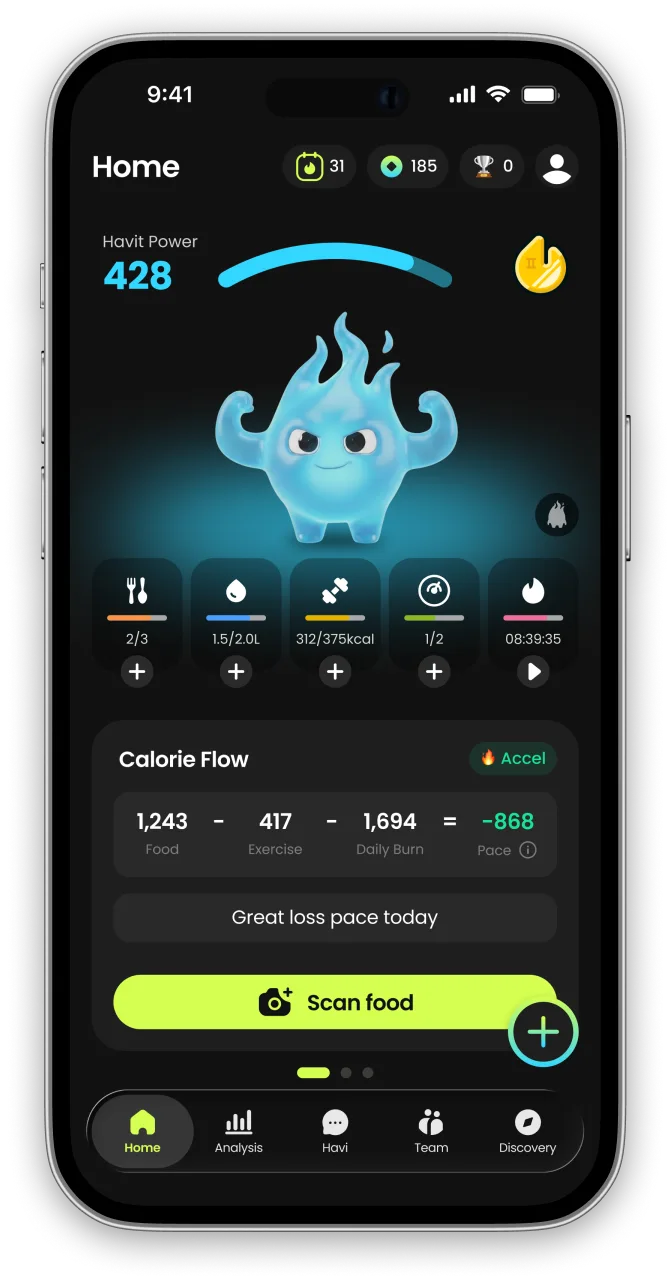
What is Havit?
Havit is an AI health companion for weight loss that protects muscle.
Unlike calorie-only trackers, Havit connects AI body-composition estimates, nutrition, hydration, sleep, steps, cycle, mood, and GLP-1 medication in one daily routine — so progress is measured by body composition, not just the number on the scale. Daily missions turn established behavior-change techniques into small repeatable actions, drawing on expertise from professionals formerly at Juvis Diet, one of Korea’s leading metabolic clinics.
In Havit’s own analysis of 1,090 GLP-1 users, people who logged consistently built stronger habits than the general user base. Read the GLP-1 Habit Report
Havit works with or without GLP-1 medication. It is a wellness app, not a medical device; body-composition results are estimates.

Continue in the App
Personalized wellness with your own data


References
- Alcohol-Induced Nutrient Deficiencies: Mechanisms and Clinical Implications — Alcohol Research: Current Reviews, 2024
- B-Vitamin Status in Moderate and Heavy Drinkers: A Systematic Review — Nutrients, 2025
- Magnesium Homeostasis and Alcohol Consumption: Mechanisms of Depletion — Alcohol Research: Current Reviews, 2024
- Micronutrient Supplementation Strategies for Alcohol-Related Harm Reduction — Nutrients, 2025
- Genetic Polymorphisms Affecting Alcohol Metabolism and Nutrient Status — Alcohol Research: Current Reviews, 2024


