

Retatrutide vs Tirzepatide vs Semaglutide: How Triple Agonists Are Changing the Weight Loss Medication Landscape in 2026
Triple agonist retatrutide achieved 24% weight loss in trials, outpacing dual agonist tirzepatide (21%) and mono agonist semaglutide (15%), but with distinct side effect profiles worth understanding.
This article is for general informational purposes only and is not a substitute for professional medical advice, diagnosis, or treatment. Always consult a qualified healthcare provider with questions about a medical condition.
What If Adding One More Receptor Changed Everything?
Here's a number that stopped me mid-scroll: 24.2%. That's the average body weight reduction participants achieved in retatrutide's phase 3 trial. To put that in perspective, someone weighing 250 pounds would lose about 60 pounds over 48 weeks. We've never seen numbers like this from a medication before.
But raw percentages only tell part of the story. The real question isn't just "how much weight can I lose?" It's understanding why these medications work differently, what the trade-offs are, and which approach might make sense for different people. Let's dig into the science without the hype.
The Receptor Game: Why One, Two, or Three Matters
Think of incretin receptors like locks on a door. Semaglutide has one key—it activates only the GLP-1 receptor. Tirzepatide carries two keys, hitting both GLP-1 and GIP receptors. Retatrutide? It's got three keys: GLP-1, GIP, and glucagon receptors.
This isn't just pharmaceutical one-upmanship. Each receptor does something genuinely different in your body.
GLP-1 activation slows gastric emptying and signals satiety to your brain. You feel full faster and stay full longer. GIP receptors, once thought to be counterproductive for weight loss, actually enhance insulin sensitivity and may improve how your body handles fat tissue. The glucagon receptor—the newest addition with retatrutide—increases energy expenditure. Your body burns more calories at rest.
A 2025 review in The Lancet described this evolution as moving from "appetite suppression" to "metabolic reprogramming." The triple agonist approach doesn't just make you eat less. It changes how your body processes and burns energy.
Semaglutide: The Established Player
Semaglutide (Wegovy, Ozempic) has been around long enough that we know it well. The STEP trials showed average weight loss of 14.9% over 68 weeks. Respectable numbers that transformed how we think about obesity treatment.
What makes semaglutide work? It mimics a hormone your gut naturally releases after eating. The synthetic version lasts much longer—about a week versus minutes for the natural hormone. This sustained GLP-1 activity keeps appetite suppressed between doses.
The side effect profile is familiar by now. Nausea affects roughly 44% of users, though it typically fades after the first month or two. Vomiting, diarrhea, and constipation round out the gastrointestinal complaints. Most people tolerate it, but about 7% in trials discontinued due to side effects.
One thing semaglutide has going for it: years of real-world data. We understand the long-term cardiovascular benefits (a 20% reduction in major cardiac events per the SELECT trial). We know what to watch for. That predictability matters.
Tirzepatide: The Dual Agonist Leap
When tirzepatide (Mounjaro, Zepbound) hit the scene, the weight loss community collectively raised its eyebrows. The SURMOUNT-1 trial reported 20.9% weight loss at the highest dose over 72 weeks. That's a meaningful jump from semaglutide.
The dual mechanism explains part of this difference. GIP receptor activation does something counterintuitive—it actually helps your fat cells function better. Healthier fat tissue means less inflammation and improved metabolic signaling. Combined with GLP-1's appetite effects, you get a two-pronged approach.
Tirzepatide also seems to preserve muscle mass better than GLP-1 mono agonists. In the SURMOUNT trials, roughly 80% of weight lost was fat mass. This matters because losing muscle along with fat can tank your metabolism and make weight regain more likely.
Side effects mirror semaglutide's pattern—nausea, vomiting, diarrhea—but some data suggests GI symptoms may actually be slightly less severe. The discontinuation rate in SURMOUNT-1 was around 4.3% for GI issues, lower than what we see with semaglutide.
Retatrutide: The Triple Threat Arrives
Now we get to the newcomer. Retatrutide's phase 3 obesity trial, published in the New England Journal of Medicine in 2024, delivered that jaw-dropping 24.2% weight loss figure at the 12mg dose over 48 weeks. Some participants lost over 30% of their body weight.
The glucagon receptor activation is the differentiator. Glucagon traditionally raises blood sugar—it's what your body releases when glucose drops too low. But it also increases thermogenesis, essentially turning up your metabolic furnace. You burn more energy even when you're not moving.
This creates an interesting metabolic situation. The GLP-1 and GIP activity reduces calorie intake. The glucagon activity increases calorie expenditure. Attack the energy balance equation from both sides.
But here's where nuance matters. The glucagon effect on blood sugar requires careful management. In trials, retatrutide was studied primarily in people with obesity, not those with type 2 diabetes. The diabetes data is still emerging, and the glucose dynamics are more complex when you're simultaneously stimulating glucagon release.
Gastrointestinal side effects followed the expected pattern, with nausea affecting about 45% of participants. What's notable is the dose-response curve—lower doses (4mg) showed 17% weight loss with milder side effects, offering flexibility in how aggressively to pursue weight reduction.
Head-to-Head: What the Numbers Actually Show
Direct comparison trials between these three medications don't exist yet. We're comparing across different studies with different populations, which any statistician will tell you is imperfect. Still, the patterns are instructive.
Weight loss efficacy clearly increases with receptor complexity. Semaglutide's 15% average, tirzepatide's 21%, retatrutide's 24%—each step up adds roughly 3-5 percentage points. For someone with 100 pounds to lose, that's the difference between losing 15 pounds and 24 pounds in the same timeframe.
Speed matters too. Retatrutide's phase 2 data showed participants were still losing weight at 48 weeks with no clear plateau. Semaglutide weight loss typically slows significantly after 60 weeks. Whether this sustained trajectory holds in longer trials remains to be seen.
On metabolic parameters, all three improve blood sugar, blood pressure, and lipid profiles. Tirzepatide and retatrutide show stronger effects on triglycerides, possibly related to their GIP activity. Retatrutide's liver fat reduction—up to 80% in some participants—stands out, suggesting particular benefit for fatty liver disease.
The Side Effect Reality Check
More receptor activation doesn't necessarily mean more side effects, but it does mean different side effects.
All three medications share the GI burden. Nausea, vomiting, diarrhea—these stem primarily from GLP-1 activity and appear across the board. Starting at low doses and titrating slowly helps, but some people simply don't tolerate these medications regardless of which one they try.
Retatrutide introduces some unique considerations. The glucagon activity can increase heart rate by 2-4 beats per minute on average. In trials, this wasn't clinically significant for most participants, but it's something to monitor. There's also theoretical concern about glucagon's effects on bone density and muscle mass over the long term, though trial data hasn't shown problems so far.
Injection site reactions occur with all three, affecting roughly 5-10% of users. These are typically mild—redness, itching, minor swelling—and rarely lead to discontinuation.
Who Might Benefit From Each Approach?
This isn't medical advice, but the data suggests some patterns worth discussing with your healthcare provider.
Semaglutide makes sense for people who want the most established option with the longest safety track record. If you have cardiovascular disease or high cardiac risk, the SELECT trial data specifically supports semaglutide's heart benefits. It's also currently the most accessible and often the most affordable option.
Tirzepatide might be preferable if you're concerned about muscle loss during weight reduction, or if you've tried semaglutide and hit a plateau. The dual mechanism seems to offer a metabolic advantage for some people who don't respond optimally to GLP-1 alone.
Retatrutide, once approved, could be particularly relevant for people with significant fatty liver disease or those who need maximum weight loss for health reasons—preparing for surgery, for instance, or managing obesity-related complications that require aggressive intervention.
The Bigger Picture: What This Evolution Means
Five years ago, the idea of a medication producing 24% weight loss seemed fantastical. Now we're discussing it as clinical reality.
But medication is only part of the equation. These drugs work best alongside lifestyle changes—not because the medications don't work alone, but because the combination produces better outcomes and may help with weight maintenance after stopping treatment. In retatrutide trials, participants received dietary counseling and were encouraged to increase physical activity.
There's also the question of access. These medications are expensive, and insurance coverage remains inconsistent. The most effective medication means nothing if you can't get it or afford it. This is a systemic issue that efficacy data alone won't solve.
The incretin agonist field continues evolving. Quadruple agonists are in early development. Oral formulations are improving. Combination approaches with other medication classes are being studied. What we're seeing now is likely just the beginning.
What Comes Next
Retatrutide is expected to receive FDA review in 2026, following additional phase 3 data. If approved, it will join an increasingly sophisticated toolkit for obesity treatment.
The choice between these medications will ultimately depend on individual factors—your specific health conditions, how you respond to treatment, what's available and affordable, and what trade-offs you're willing to accept. There's no universally "best" option, just better fits for different situations.
What's clear is that we've moved beyond the era of modest interventions. These medications produce changes that were previously only achievable through surgery. Understanding how they work—not just that they work—helps you have more informed conversations about what might be right for you.
📊 Key Stats
Incretin Agonist Comparison: Mono vs Dual vs Triple
| Feature | Semaglutide | Tirzepatide | Retatrutide |
|---|---|---|---|
| Receptor Targets | GLP-1 only | GLP-1 + GIP | GLP-1 + GIP + Glucagon |
| Average Weight Loss | ~15% | ~21% | ~24% |
| Trial Duration | 68 weeks | 72 weeks | 48 weeks |
| Nausea Incidence | ~44% | ~40% | ~45% |
| Discontinuation (GI) | ~7% | ~4% | ~6% |
| FDA Status (2026) | Approved | Approved | Under review |
| Dosing Frequency | Weekly injection | Weekly injection | Weekly injection |
| Primary Mechanism | Appetite suppression | Appetite + fat metabolism | Appetite + metabolism + energy expenditure |
Data compiled from STEP, SURMOUNT, and retatrutide phase 3 trials. Direct head-to-head comparisons not yet available.
❓ Frequently Asked Questions
Is retatrutide more effective than tirzepatide and semaglutide?
Why does adding more receptor targets increase weight loss?
Are the side effects worse with triple agonists?
Can these medications be used for type 2 diabetes?
What happens to weight after stopping these medications?
When will retatrutide be available?
Do these medications work for everyone?
What is Havit?
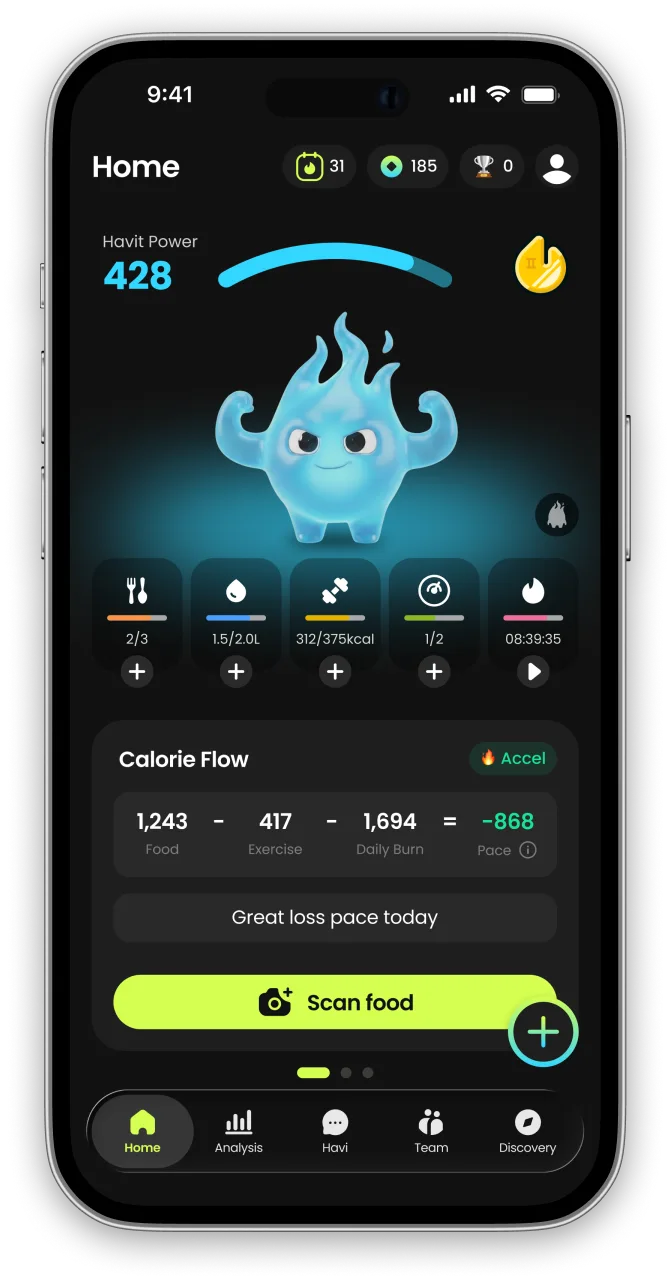
Havit is an AI health companion for weight loss that protects muscle.
Unlike calorie-only trackers, Havit connects AI body-composition estimates, nutrition, hydration, sleep, steps, cycle, mood, and GLP-1 medication in one daily routine — so progress is measured by body composition, not just the number on the scale. Daily missions turn established behavior-change techniques into small repeatable actions, drawing on expertise from professionals formerly at Juvis Diet, one of Korea’s leading metabolic clinics.
In Havit’s own analysis of 1,090 GLP-1 users, people who logged consistently built stronger habits than the general user base. Read the GLP-1 Habit Report
Havit works with or without GLP-1 medication. It is a wellness app, not a medical device; body-composition results are estimates.

Continue in the App
Personalized wellness with your own data


References
- Retatrutide Phase 3 Trial for Obesity: Efficacy and Safety Results — New England Journal of Medicine, 2024
- Evolution of Incretin-Based Therapies: From GLP-1 to Multi-Agonist Approaches — The Lancet, 2025
- SURMOUNT-1: Tirzepatide Once Weekly for the Treatment of Obesity — New England Journal of Medicine, 2022
- SELECT Cardiovascular Outcomes Trial: Semaglutide and Cardiovascular Outcomes in Obesity — New England Journal of Medicine, 2023
- STEP 1 Trial: Once-Weekly Semaglutide in Adults with Overweight or Obesity — New England Journal of Medicine, 2021


