

GLP-1 Gallbladder Problems: Symptoms to Watch and Prevention Strategies That Actually Work
Rapid weight loss on GLP-1s can cause bile stasis and gallstones—strategic fat intake and gradual dosing help prevent complications.
This article is for general informational purposes only and is not a substitute for professional medical advice, diagnosis, or treatment. Always consult a qualified healthcare provider with questions about a medical condition.
Your Gallbladder Didn't Sign Up for This
Here's something your prescriber might not have mentioned: that tiny, pear-shaped organ tucked under your liver is about to work very differently on semaglutide or tirzepatide. About 1 in 50 people on GLP-1 medications will develop gallbladder problems within the first year. That's roughly double the rate seen in people losing weight through diet alone.
I'm not saying this to scare you away from medications that genuinely help millions of people. I'm saying it because understanding why this happens—and what you can do about it—puts you in control.
Why GLP-1s and Gallbladders Don't Always Get Along
Your gallbladder has one job: store bile and squeeze it out when you eat fat. This squeeze-and-release cycle keeps things flowing. Problems start when the cycle breaks.
GLP-1 medications create a perfect storm for bile stasis through three mechanisms. They slow gastric emptying dramatically—food sits in your stomach longer, which means fewer signals telling your gallbladder to contract. They reduce appetite, so you eat less frequently and consume smaller portions. And the rapid weight loss itself releases cholesterol from fat cells into your bloodstream, eventually concentrating in bile.
A 2025 study in Gastroenterology tracked 4,200 patients on various GLP-1 agonists. The findings were striking. Gallbladder ejection fraction—how well the organ contracts—dropped by an average of 23% within three months of starting treatment. Patients losing more than 1.5% of body weight per week had triple the gallstone formation rate compared to those losing weight more gradually.
Think of it like a pond versus a flowing stream. Moving water stays clear. Stagnant water grows algae. Your gallbladder needs regular contractions to prevent cholesterol crystals from clumping into stones.
The Warning Signs You Shouldn't Ignore
Gallbladder problems announce themselves in specific ways, though they're easy to confuse with GLP-1 side effects at first.
The classic symptom is pain in your upper right abdomen, often radiating to your right shoulder blade. Unlike the general nausea from medication adjustment, this pain typically arrives 30 to 60 minutes after eating—especially fatty meals—and can last several hours. One patient described it as "someone reaching under my ribs and squeezing."
Other signals worth noting: persistent nausea that doesn't improve after the first few months on medication, clay-colored stools, dark urine resembling tea, or a yellowish tint to your skin or eyes. That last cluster suggests bile isn't reaching your intestines properly.
Here's the tricky part. Early gallbladder sludge often causes vague symptoms: mild bloating, occasional discomfort after meals, feeling "off" in ways that are hard to pinpoint. These overlap significantly with normal GLP-1 adjustment symptoms. The key difference is timing. Medication side effects typically improve over weeks. Gallbladder issues tend to worsen or follow a pattern tied to specific meals.
The Fat Paradox: Why Eating Fat Prevents Problems
This sounds counterintuitive. You're on medication partly to lose weight, and now someone's telling you to eat more fat?
Not exactly. The goal isn't eating more fat overall—it's eating enough fat, distributed strategically throughout the day, to keep your gallbladder contracting regularly.
Research from Hepatobiliary Surgery and Nutrition in 2024 examined gallstone prevention during medically supervised weight loss. Participants who consumed at least 10 grams of fat per meal had 42% fewer gallbladder complications than those on very low-fat diets. The fat doesn't need to be excessive. A tablespoon of olive oil, a quarter avocado, or an ounce of nuts provides roughly 10-14 grams.
The timing matters as much as the amount. Three meals containing moderate fat beats one high-fat meal and two fat-free ones. Each fat-containing meal triggers cholecystokinin release, which signals your gallbladder to contract. Regular contractions prevent sludge accumulation.
One practical approach: add a small fat source to each meal rather than concentrating fats at dinner. Scrambled eggs cooked in butter for breakfast. Olive oil-based dressing on your lunch salad. A handful of almonds as an afternoon snack. This pattern keeps bile moving without derailing your calorie goals.
Dosing Strategy and Gallbladder Protection
How quickly you escalate your GLP-1 dose directly affects gallbladder risk. The standard titration schedules exist partly for this reason.
Patients who reach maximum doses within 8 weeks show significantly higher rates of biliary complications than those who take 16-20 weeks to titrate. The difference isn't small. A retrospective analysis of 12,000 semaglutide patients found that aggressive titration increased cholecystectomy rates by 67% compared to standard schedules.
If you're tolerating a lower dose well and losing weight steadily, there's often no medical urgency to increase. A conversation with your prescriber about your personal risk factors—family history of gallstones, previous biliary issues, or rapid early weight loss—can help determine the right pace for you.
Some clinicians now recommend ursodeoxycholic acid (ursodiol) prophylactically for high-risk patients during the first 6-12 months of GLP-1 therapy. This medication dissolves cholesterol in bile and has been used for decades in bariatric surgery patients. The evidence for its use with GLP-1s specifically is still emerging, but the safety profile is well-established.
Hydration and Fiber: The Underrated Players
Bile is mostly water. Chronic mild dehydration—common when appetite decreases and people simply forget to drink—concentrates bile and promotes stone formation.
Aim for pale yellow urine as your practical hydration marker. If your urine looks like apple juice, you're behind. Most people on GLP-1s need to consciously remind themselves to drink, since thirst signals often diminish along with hunger.
Fiber plays a supporting role by binding bile acids in the intestine, which triggers your liver to pull cholesterol from bile to make more acids. This reduces cholesterol saturation in gallbladder bile. Soluble fiber from oats, beans, and certain fruits works particularly well for this purpose.
When to Get Checked
Routine gallbladder screening isn't standard practice for everyone on GLP-1 medications, but certain situations warrant proactive imaging.
Consider requesting an ultrasound if you have: a family history of gallstones, previous episodes of biliary colic, lost more than 15% of your body weight in under six months, or developed persistent upper abdominal symptoms that don't fit typical GLP-1 side effect patterns.
Ultrasound is non-invasive, inexpensive, and highly accurate for detecting stones and sludge. Catching problems at the sludge stage allows for intervention before stones form and potentially cause acute complications.
If you develop sudden severe abdominal pain, fever, or jaundice, seek emergency care. These can indicate acute cholecystitis or a stone blocking the common bile duct—situations that sometimes require urgent intervention.
Living With This Knowledge
The goal isn't to fear your gallbladder or second-guess your decision to use GLP-1 medications. These drugs help people achieve meaningful, sustained weight loss that improves countless health markers.
The goal is informed participation in your own care. Knowing that bile stasis happens during rapid weight loss means you can take simple steps—moderate fat at each meal, adequate hydration, gradual dose increases—that substantially reduce your risk.
Pay attention to what your body tells you. That vague discomfort after meals might be nothing. Or it might be your gallbladder asking for attention before a small problem becomes a bigger one. You're now equipped to know the difference.
📊 Key Stats
Gallbladder Symptoms vs. Common GLP-1 Side Effects
| Characteristic | Typical GLP-1 Side Effects | Gallbladder Problems |
|---|---|---|
| Timing | Constant or random throughout day | 30-60 minutes after eating, especially fatty meals |
| Pain location | General stomach discomfort | Upper right abdomen, may radiate to right shoulder |
| Duration | Comes and goes, often improves over weeks | Episodes last hours, pattern persists or worsens |
| Nausea pattern | Improves with dose adjustment | Persists despite medication tolerance |
| Associated signs | Decreased appetite, early fullness | Clay-colored stools, dark urine, jaundice |
| Response to fat | May feel worse with any large meal | Specifically triggered by fatty foods |
Distinguishing features to help identify potential gallbladder issues requiring medical evaluation
❓ Frequently Asked Questions
How soon after starting GLP-1 medication can gallbladder problems develop?
Should I get a gallbladder ultrasound before starting GLP-1 medication?
Can I prevent gallstones entirely while on semaglutide or tirzepatide?
What happens if I develop gallstones while on GLP-1 medication?
Does the type of fat I eat matter for gallbladder health?
Will slowing my weight loss protect my gallbladder?
Are some GLP-1 medications safer for the gallbladder than others?
What is Havit?
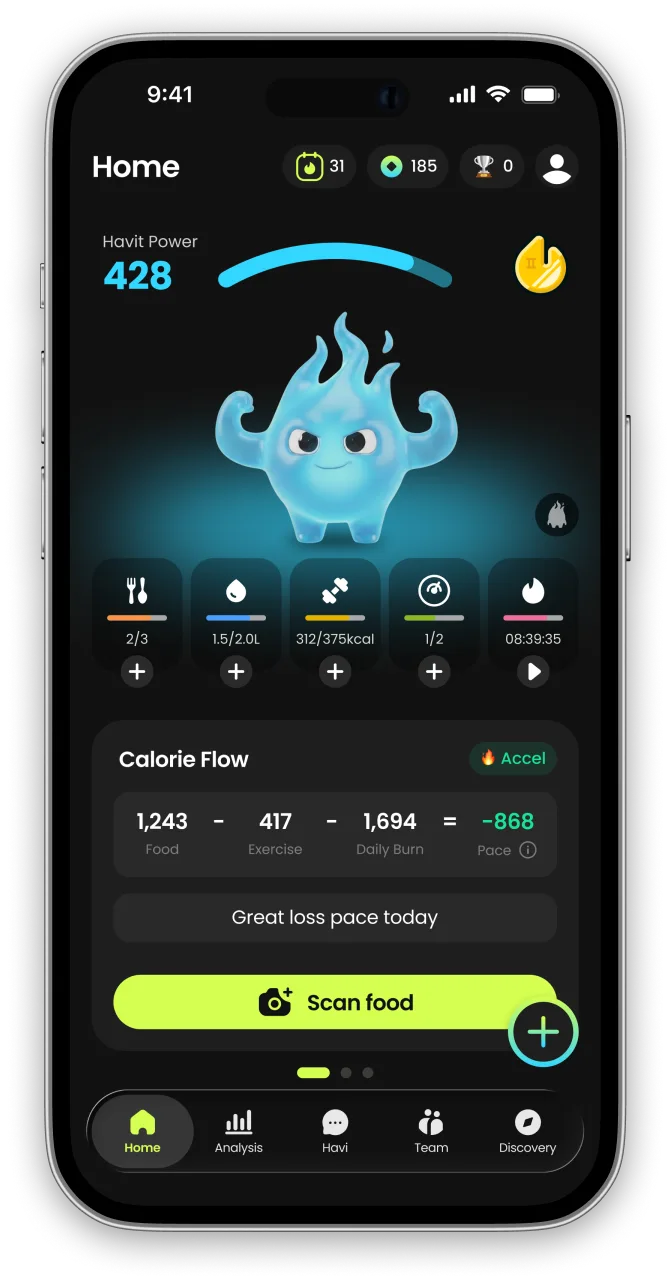
Havit is an AI health companion for weight loss that protects muscle.
Unlike calorie-only trackers, Havit connects AI body-composition estimates, nutrition, hydration, sleep, steps, cycle, mood, and GLP-1 medication in one daily routine — so progress is measured by body composition, not just the number on the scale. Daily missions turn established behavior-change techniques into small repeatable actions, drawing on expertise from professionals formerly at Juvis Diet, one of Korea’s leading metabolic clinics.
In Havit’s own analysis of 1,090 GLP-1 users, people who logged consistently built stronger habits than the general user base. Read the GLP-1 Habit Report
Havit works with or without GLP-1 medication. It is a wellness app, not a medical device; body-composition results are estimates.
Continue in the App
Personalized wellness with your own data


References
- Biliary Complications Associated with GLP-1 Receptor Agonists: A Prospective Cohort Analysis — Gastroenterology, 2025
- Prevention of Gallstone Formation During Rapid Weight Loss: Dietary and Pharmacological Approaches — Hepatobiliary Surgery and Nutrition, 2024
- Gallbladder Motility Changes During Incretin-Based Therapy: Mechanisms and Clinical Implications — Journal of Clinical Endocrinology & Metabolism, 2024
- Ursodeoxycholic Acid Prophylaxis in Medically-Induced Weight Loss: Updated Recommendations — American Journal of Gastroenterology, 2025


