

Cold Plunge Sweet Spot: The Søberg Protocol's 11-Minute Weekly Formula for Maximum Brown Fat Activation
Susanna Søberg's research shows 11 minutes of weekly cold exposure at 10-15°C, split across 2-3 sessions, optimizes brown fat activation and metabolic benefits.
This article is for general informational purposes only and is not a substitute for professional medical advice, diagnosis, or treatment. Always consult a qualified healthcare provider with questions about a medical condition.
That Viral Ice Bath Might Be Completely Wrong
Your favorite fitness influencer just posted a 20-minute ice bath video. Teeth chattering, lips turning blue, claiming it's "the only way to get results." Here's the thing: the actual science suggests they're wasting 9 minutes of suffering.
Danish researcher Susanna Søberg published findings in Cell Reports Medicine that changed how scientists think about cold exposure. Her team tracked winter swimmers in Copenhagen and discovered something counterintuitive. More time in cold water doesn't mean more benefits. There's a threshold—and most people blow right past it.
What the Copenhagen Winter Swimmers Revealed
Søberg's 2021 study followed people who regularly swam in the harbor during Danish winters. Water temperatures hovered around 2-6°C. The research team measured brown adipose tissue activity, glucose metabolism, and insulin sensitivity across different exposure patterns.
The swimmers who logged roughly 11 minutes of cold exposure per week showed the most significant metabolic improvements. Not 30 minutes. Not an hour. Eleven minutes total, spread across multiple sessions.
One participant in the study had been winter swimming for 14 years. Another started just months before. Both showed similar brown fat activation patterns when following comparable weekly exposure times. Experience mattered less than consistency and total duration.
The Temperature Window That Actually Works
Forget the dramatic content you see online. You don't need water cold enough to form ice crystals on your eyebrows.
Søberg's protocol specifies a temperature range of 10-15°C (50-59°F). Cold enough to trigger the physiological stress response. Warm enough that you won't risk hypothermia during a reasonable session.
At 15°C, your body starts shivering within 3-4 minutes. At 10°C, that response kicks in faster—usually under 2 minutes. Both temperatures activate the same pathways. The colder option just compresses the timeline.
A 2022 review in the International Journal of Circumpolar Health examined cold water immersion studies spanning four decades. The consistent finding? Temperatures between 10-15°C produced reliable brown fat activation without the injury risks associated with near-freezing water.
Breaking Down the Weekly 11-Minute Target
Søberg recommends splitting that 11 minutes across 2-3 sessions per week. Not one brutal 11-minute plunge. Multiple shorter exposures.
Here's why this matters: each cold exposure triggers norepinephrine release. Your levels can spike 200-300% within minutes of immersion. But this response follows a curve. The biggest jump happens in the first few minutes. By minute 6 or 7, you're getting diminishing returns on that particular session.
Splitting your time means you get multiple norepinephrine spikes instead of one prolonged release. Three sessions of 3-4 minutes each produces more total metabolic activation than one 11-minute marathon.
A practical weekly schedule might look like this: Monday morning, 4 minutes at 12°C. Thursday evening, 4 minutes. Saturday, 3 minutes. Done. That's your 11 minutes.
The "End on Cold" Rule Everyone Ignores
Søberg's protocol includes one detail that separates it from most cold plunge advice. Always end your session on cold. No warm shower immediately after. No jumping into a heated car.
When you let your body rewarm naturally, you force it to generate heat internally. This process—called non-shivering thermogenesis—is exactly what activates brown fat. A hot shower short-circuits the entire mechanism.
The research showed participants who ended on cold and allowed 15-20 minutes of natural rewarming had measurably higher brown fat activity than those who warmed up artificially. Same cold exposure time. Different results based purely on the ending.
This doesn't mean you need to stand outside shivering. Moving around, light activity, even just sitting in a room-temperature space works. Your body does the rest.
Why Longer Sessions Backfire
Shevchuk's 2008 research in Medical Hypotheses proposed that cold water exposure could serve as a potential treatment for depression through its effects on norepinephrine and beta-endorphin systems. But his work also highlighted an important caveat about duration.
Extended cold exposure shifts your body from activation mode into survival mode. Instead of stimulating beneficial adaptations, you trigger cortisol elevation and inflammatory responses. The stress becomes distress.
Athletes who use ice baths for recovery often stay in for 15-20 minutes. Studies on post-exercise cold water immersion show this can actually impair muscle protein synthesis and strength gains when done consistently. The cold exposure meant to help recovery ends up hindering adaptation.
For metabolic benefits—brown fat activation, improved insulin sensitivity, enhanced mood—shorter and more frequent wins over longer and less often.
Practical Setup Without Expensive Equipment
You don't need a $5,000 cold plunge tub. A standard bathtub works. So does a large plastic storage container, a horse trough, or a natural body of water.
Ice from a convenience store costs about $3-4 per bag. Two bags in a bathtub of cold tap water typically drops the temperature to 12-14°C, depending on your starting water temperature. A simple aquarium thermometer ($8) lets you check before getting in.
One Søberg protocol adherent tracked his setup costs over a year. Total investment: $127, including a used chest freezer he converted. His per-session cost worked out to roughly $0.40 in electricity.
Timing Your Sessions for Maximum Effect
Morning cold exposure produces different effects than evening sessions. Both work, but they serve different purposes.
Cold plunges before 10 AM amplify your natural cortisol awakening response. You feel more alert, and the norepinephrine spike sets a higher baseline for the day. This timing works well if you're using cold exposure for energy and focus.
Evening sessions, taken at least 3 hours before bed, can actually improve sleep quality. The rapid cooling and subsequent rewarming mimics the body temperature drop that naturally occurs before sleep onset. One study found participants who took cold showers in the evening fell asleep 10 minutes faster on average.
The Søberg protocol doesn't specify timing. Her research focused on total weekly duration rather than time of day. Pick whatever schedule you'll actually stick with.
Building Tolerance Without Rushing
Starting at 15°C for 2 minutes is perfectly reasonable. There's no prize for jumping into 5°C water on day one.
Most people find their tolerance increases naturally over 4-6 weeks. What felt unbearable in week one becomes almost comfortable by week six. The physiological adaptations happen regardless of how dramatic your experience feels.
One approach: start with 2 minutes at 15°C, three times per week. Add 30 seconds per session each week until you reach the 11-minute weekly total. Drop the temperature by 1°C every two weeks if you want additional challenge.
The Copenhagen winter swimmers Søberg studied didn't start in near-freezing harbor water. They built up over seasons, sometimes years. Patience produces better long-term results than bravado.
📊 Key Stats
Cold Plunge Protocol Comparison
| Factor | Søberg Protocol | Typical Social Media Advice | Athletic Recovery Protocol |
|---|---|---|---|
| Weekly Duration | 11 minutes total | 20-30+ minutes | 15-20 min per session |
| Temperature | 10-15°C (50-59°F) | 0-5°C (32-41°F) | 10-15°C (50-59°F) |
| Session Length | 3-4 minutes each | 10-20 minutes | 15-20 minutes |
| Frequency | 2-3x per week | Daily | Post-workout only |
| Post-Exposure | End on cold, natural rewarming | Hot shower after | Varies |
| Primary Goal | Brown fat activation, metabolism | Content creation | Muscle recovery |
The Søberg protocol prioritizes metabolic benefits through shorter, more frequent exposures with natural rewarming.
❓ Frequently Asked Questions
Can I take a warm shower after my cold plunge?
Is colder water always better for results?
Can I do all 11 minutes in one session?
How long before I notice benefits from cold exposure?
Should I do cold plunges before or after workouts?
What if I can only handle 1 minute at first?
Do cold showers count toward the 11-minute weekly target?
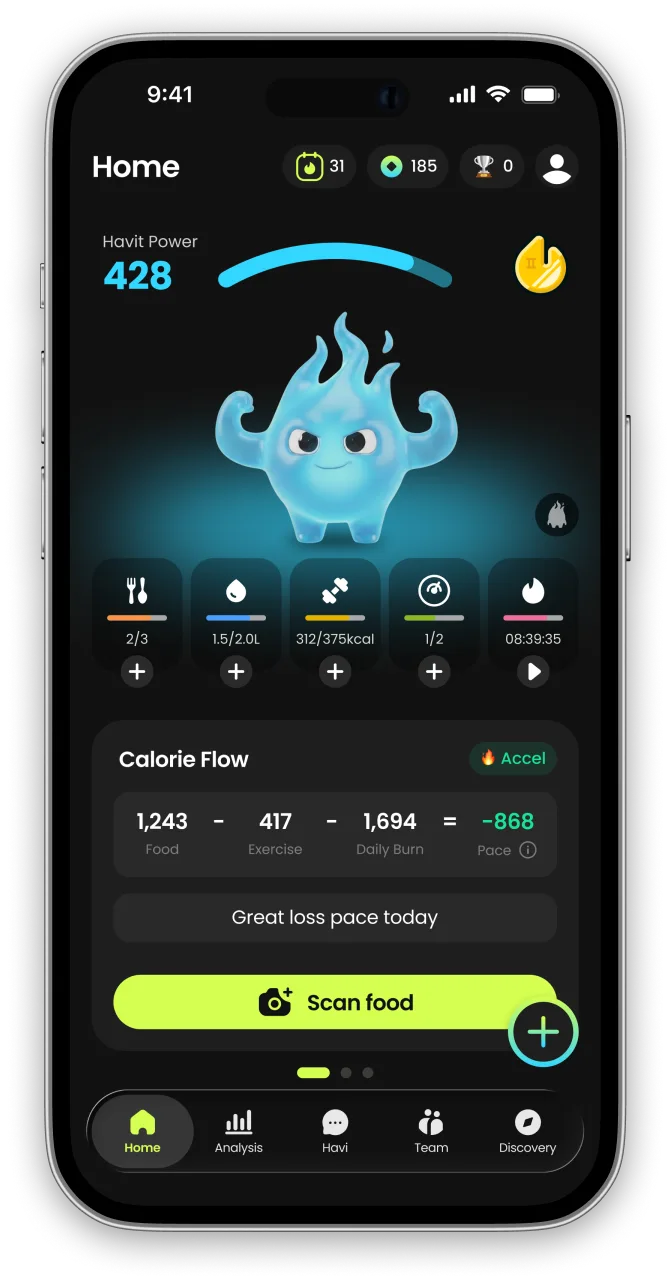
What is Havit?
Havit is an AI health companion for weight loss that protects muscle.
Unlike calorie-only trackers, Havit connects AI body-composition estimates, nutrition, hydration, sleep, steps, cycle, mood, and GLP-1 medication in one daily routine — so progress is measured by body composition, not just the number on the scale. Daily missions turn established behavior-change techniques into small repeatable actions, drawing on expertise from professionals formerly at Juvis Diet, one of Korea’s leading metabolic clinics.
In Havit’s own analysis of 1,090 GLP-1 users, people who logged consistently built stronger habits than the general user base. Read the GLP-1 Habit Report
Havit works with or without GLP-1 medication. It is a wellness app, not a medical device; body-composition results are estimates.

Continue in the App
Personalized wellness with your own data


References
- Altered brown fat thermoregulation and enhanced cold-induced thermogenesis in young, healthy, winter-swimming men — Søberg S, et al. Cell Reports Medicine. 2021;2(10):100408
- Health effects of voluntary exposure to cold water – a continuing subject of debate — Esperland D, de Weerd L, Mercer JB. International Journal of Circumpolar Health. 2022;81(1):2111789
- Adapted cold shower as a potential treatment for depression — Shevchuk NA. Medical Hypotheses. 2008;70(5):995-1001
- Human physiological responses to immersion into water of different temperatures — Srámek P, et al. European Journal of Applied Physiology. 2000;81(5):436-442


