

Thyroid Function Optimization Without Hormone Replacement: What Actually Works in 2026
Targeted selenium, zinc, and lifestyle modifications can normalize TSH in 30-40% of subclinical hypothyroidism cases, potentially delaying or avoiding medication.
This article is for general informational purposes only and is not a substitute for professional medical advice, diagnosis, or treatment. Always consult a qualified healthcare provider with questions about a medical condition.
Your TSH Is Elevated—Now What?
Your doctor calls with lab results. TSH is 6.2 mIU/L. Not quite high enough for medication, but definitely not normal. You're told to "wait and retest in three months." This limbo state has a name: subclinical hypothyroidism. And roughly 8% of adults are living in it right now.
The good news? A growing body of research suggests that for many people in this gray zone, the path forward doesn't have to start with a prescription pad.
Understanding the Subclinical Threshold
Subclinical hypothyroidism sits in an uncomfortable middle ground. Your TSH runs between 4.5 and 10 mIU/L, but your T4 levels remain normal. You might feel perfectly fine. Or you might experience subtle symptoms—fatigue that coffee doesn't fix, weight that creeps up despite unchanged habits, brain fog that makes you feel ten years older.
The European Thyroid Journal published a comprehensive review in 2024 examining what happens when people in this category do nothing. About 25% progress to overt hypothyroidism within five years. But here's the part that doesn't get enough attention: nearly 35% spontaneously return to normal TSH levels without any intervention at all.
This variability matters. It suggests that the thyroid, like many body systems, responds to changing conditions.
The Selenium Connection
If there's one nutrient that keeps appearing in thyroid research, it's selenium. Your thyroid contains more selenium per gram of tissue than any other organ in your body. It needs this mineral to convert T4 into the active T3 hormone.
A 2025 study published in Thyroid followed 287 patients with subclinical hypothyroidism for 12 months. Participants who supplemented with 200 micrograms of selenomethionine daily saw their average TSH drop from 6.8 to 4.1 mIU/L. That's a meaningful shift—enough to move many participants back into the normal range.
But here's the catch: benefits appeared primarily in people who started with low selenium status. Those with adequate selenium levels at baseline saw minimal change. This isn't a case where more is better. Blood selenium levels above 400 mcg/L can actually harm thyroid function.
Brazil nuts offer the most concentrated food source—a single nut contains roughly 70-90 mcg of selenium. Two to three daily provides therapeutic amounts without supplementation risks.
Zinc's Supporting Role
Zinc doesn't grab headlines like selenium, but it plays a critical supporting role in thyroid hormone metabolism. This mineral helps activate thyroid hormone receptors and influences the hypothalamic-pituitary-thyroid axis.
The European Thyroid Journal review noted that zinc deficiency correlates with elevated TSH in multiple population studies. Correcting deficiency through diet or supplementation (15-30 mg daily) contributed to TSH normalization in 23% of deficient participants over six months.
Oysters top the zinc chart at 74 mg per three-ounce serving. Beef, crab, and pumpkin seeds offer more accessible everyday options. Vegetarians face higher deficiency risk because plant-based zinc absorbs less efficiently—phytates in grains and legumes bind the mineral and reduce bioavailability by up to 50%.
The Iodine Paradox
Iodine occupies a strange position in thyroid health conversations. Deficiency causes hypothyroidism. But excess iodine can trigger it too, particularly in people with underlying autoimmune thyroid disease.
Most Americans get adequate iodine through iodized salt and dairy products. The recommended daily intake sits at 150 mcg for adults. Kelp supplements can deliver 500-2000 mcg per capsule—far exceeding safe upper limits.
A case series from Japan documented how tourists developed thyroid dysfunction after consuming traditional seaweed-heavy meals for just two weeks. Their TSH levels normalized within a month of returning to typical Western diets.
The takeaway isn't to avoid iodine. It's to recognize that supplementation rarely helps in iodine-sufficient populations and can actively cause harm.
Gut Health and Thyroid Crosstalk
Your intestines and thyroid maintain constant communication. About 20% of T4 to T3 conversion happens in the gut, mediated by bacterial enzymes. Intestinal inflammation impairs this conversion and may trigger autoimmune thyroid responses.
The 2025 Thyroid study included a subset of 89 participants who combined selenium supplementation with a Mediterranean-style diet emphasizing fermented foods. This group showed greater TSH improvement than selenium alone—average reduction of 3.1 mIU/L compared to 2.7 mIU/L.
Small intestinal bacterial overgrowth (SIBO) appears in hypothyroid patients at three times the rate of the general population. Whether it's cause or effect remains debated, but treating SIBO has improved thyroid markers in multiple case reports.
Sleep, Stress, and Circadian Rhythms
TSH follows a circadian pattern, peaking between midnight and 4 AM, dropping to its lowest point in late afternoon. Chronic sleep deprivation disrupts this rhythm and can artificially elevate TSH readings.
Shift workers show higher rates of subclinical hypothyroidism than day workers in matched population studies. Night shift nurses in a 2024 Korean study had average TSH levels 1.4 mIU/L higher than their day-shift colleagues, even after controlling for age, BMI, and iodine intake.
Cortisol, your primary stress hormone, suppresses TSH release from the pituitary. Chronic stress creates a complex feedback loop: initial TSH suppression followed by rebound elevation as the system attempts to compensate. Eight weeks of stress reduction practices—meditation, yoga, or simple breathing exercises—lowered TSH by an average of 0.8 mIU/L in a small pilot study of 34 participants.
Exercise: Finding the Sweet Spot
Physical activity influences thyroid function through multiple pathways. Moderate exercise increases T3 levels and improves tissue sensitivity to thyroid hormones. But the relationship isn't linear.
Endurance athletes frequently develop "low T3 syndrome"—the body's adaptation to conserve energy during prolonged exertion. Marathon runners show temporarily suppressed thyroid function for up to 72 hours post-race.
For people with subclinical hypothyroidism, moderate-intensity exercise (150-200 minutes weekly) appears optimal. A 2024 meta-analysis found that consistent moderate activity improved TSH levels more effectively than either sedentary behavior or high-intensity training regimens.
Resistance training deserves specific mention. Building muscle mass increases metabolic demand, which can stimulate healthy thyroid hormone production. Participants who added twice-weekly strength training to their routines showed better TSH outcomes than those doing cardio alone.
Environmental Factors Worth Addressing
Certain chemicals interfere with thyroid hormone production and metabolism. Perchlorate, found in some drinking water supplies, competes with iodine for uptake into the thyroid gland. Bisphenol A (BPA) and phthalates may disrupt thyroid hormone receptor signaling.
A 2024 study measuring urinary BPA levels found that participants in the highest quartile had TSH levels averaging 0.9 mIU/L higher than those in the lowest quartile. Switching from plastic food containers to glass, avoiding canned foods with BPA-containing linings, and filtering drinking water represent practical interventions.
Fluoride's relationship with thyroid function remains controversial. High-fluoride regions show elevated hypothyroidism rates in ecological studies, but individual-level data is less consistent. If you live in an area with fluoridated water and have borderline thyroid function, a reverse osmosis filter removes most fluoride.
Creating a Realistic Action Plan
None of these interventions work overnight. Thyroid function changes slowly—expect three to six months before retesting reveals meaningful shifts.
Start with the basics: ensure adequate selenium (two to three Brazil nuts daily or a 200 mcg supplement if deficient), address any zinc deficiency, and avoid excessive iodine supplementation. Prioritize sleep consistency, aiming for the same bedtime within a 30-minute window most nights.
Add 150-200 minutes of moderate exercise weekly, including some resistance training. Reduce plastic food container use. Consider adding fermented foods—kefir, sauerkraut, kimchi—to support gut health.
Track your symptoms alongside lab values. TSH numbers matter, but so does how you feel. Some people feel best with TSH around 1.5; others function fine at 3.5. Context shapes interpretation.
When Lifestyle Isn't Enough
These approaches work best for mild subclinical hypothyroidism (TSH between 4.5 and 7 mIU/L) without autoimmune markers. People with positive thyroid antibodies, TSH above 10, or significant symptoms may benefit from earlier medication intervention.
The goal isn't to avoid necessary treatment. It's to optimize modifiable factors that influence thyroid function before defaulting to lifelong medication. For roughly a third of people in the subclinical category, these changes prove sufficient. For others, they serve as valuable complements to pharmaceutical therapy.
Your thyroid didn't become sluggish in isolation. It responded to nutritional status, stress levels, sleep patterns, and environmental exposures. Addressing these factors gives your body the best chance to recalibrate on its own terms.
📊 Key Stats
Nutritional Interventions for Subclinical Hypothyroidism
| Nutrient | Daily Target | Best Food Sources | Expected TSH Impact | Timeframe |
|---|---|---|---|---|
| Selenium | 200 mcg | Brazil nuts (2-3), seafood, eggs | -2.0 to -2.7 mIU/L | 6-12 months |
| Zinc | 15-30 mg | Oysters, beef, pumpkin seeds | -0.5 to -1.0 mIU/L | 6 months |
| Iodine | 150 mcg (no excess) | Iodized salt, dairy, seafood | Maintains baseline | Ongoing |
| Vitamin D | 2000-4000 IU | Sunlight, fatty fish, fortified foods | -0.3 to -0.6 mIU/L | 3-6 months |
| Iron | RDA only if deficient | Red meat, legumes, spinach | Variable | 3-6 months |
Impact varies based on baseline deficiency status; supplementation most effective when correcting existing deficiencies
❓ Frequently Asked Questions
How long should I try lifestyle changes before considering medication?
Can I take selenium supplements if I don't know my selenium status?
Will these approaches work if I have Hashimoto's thyroiditis?
Should I avoid gluten if I have subclinical hypothyroidism?
How often should I retest my TSH while trying these interventions?
Can exercise make subclinical hypothyroidism worse?
Are thyroid supplements sold online effective?
What is Havit?
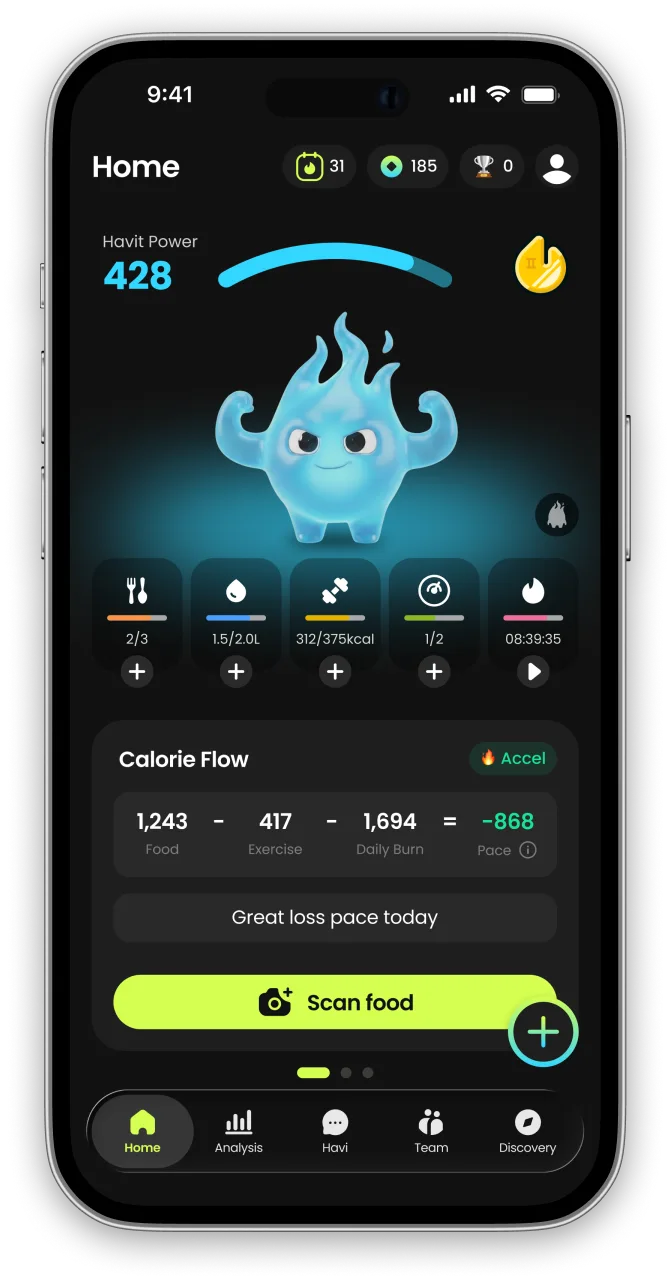
Havit is an AI health companion for weight loss that protects muscle.
Unlike calorie-only trackers, Havit connects AI body-composition estimates, nutrition, hydration, sleep, steps, cycle, mood, and GLP-1 medication in one daily routine — so progress is measured by body composition, not just the number on the scale. Daily missions turn established behavior-change techniques into small repeatable actions, drawing on expertise from professionals formerly at Juvis Diet, one of Korea’s leading metabolic clinics.
In Havit’s own analysis of 1,090 GLP-1 users, people who logged consistently built stronger habits than the general user base. Read the GLP-1 Habit Report
Havit works with or without GLP-1 medication. It is a wellness app, not a medical device; body-composition results are estimates.

Continue in the App
Personalized wellness with your own data


References
- Selenium Supplementation in Subclinical Hypothyroidism: A 12-Month Randomized Controlled Trial — Thyroid, 2025
- Lifestyle and Environmental Factors in Subclinical Thyroid Dysfunction: A Systematic Review — European Thyroid Journal, 2024
- Circadian Disruption and Thyroid Function in Shift Workers — Journal of Occupational Health, 2024
- Gut Microbiome Composition and Thyroid Hormone Metabolism — Frontiers in Endocrinology, 2024
- Environmental Endocrine Disruptors and Thyroid Function: Population-Level Analysis — Environmental Health Perspectives, 2024


