

SIBO Symptoms and Bloating After Eating: What Actually Works in 2026
SIBO affects up to 15% of healthy adults, but proper breath testing and targeted antibiotics resolve symptoms in most cases within 2-4 weeks.
This article is for general informational purposes only and is not a substitute for professional medical advice, diagnosis, or treatment. Always consult a qualified healthcare provider with questions about a medical condition.
That Pregnant-Looking Belly After Lunch Isn't Normal
You ate a salad. Maybe some hummus. Nothing crazy. Yet two hours later, you look six months pregnant and your pants feel like a medieval torture device. Sound familiar?
I spent three years convinced I had food intolerances. Eliminated gluten. Then dairy. Then FODMAPs. Then joy. Turns out, the bacteria in my small intestine had thrown an unauthorized party, and every meal was just adding more fuel to their fermentation festival.
Small intestinal bacterial overgrowth—SIBO—has become the diagnosis du jour in wellness circles. Instagram influencers blame it for everything from acne to anxiety. But here's what the hype machine misses: SIBO is real, it's measurable, and when properly identified, it's actually quite treatable. The 2025 American Journal of Gastroenterology guidelines finally gave us clear diagnostic criteria and treatment protocols. Let's dig into what actually matters.
What's Happening Inside When Bacteria Set Up Shop
Your small intestine should be relatively bacteria-free. Most of your gut microbiome—about 38 trillion organisms—lives in your large intestine, where they belong. The small intestine handles nutrient absorption and keeps bacterial populations low through stomach acid, bile, and a muscular sweeping motion called the migrating motor complex.
When this system fails, bacteria migrate upstream. They colonize territory they shouldn't occupy. And when you eat, particularly carbohydrates, these misplaced microbes ferment your food before you can absorb it.
The result? Gas production measured in liters. Bloating that progresses throughout the day. Abdominal distension visible to the naked eye. A 2024 study in Clinical Gastroenterology and Hepatology found that SIBO patients produce 2.3 times more hydrogen gas after meals compared to healthy controls.
The Symptom Constellation That Points to SIBO
Not all bloating means SIBO. But certain patterns raise suspicion.
The classic presentation involves bloating that worsens after eating, particularly after carbohydrate-rich meals. Bread, pasta, beans, and certain fruits become predictable triggers. The bloating typically peaks 1-3 hours post-meal, coinciding with bacterial fermentation in the upper gut.
Beyond bloating, watch for these companions:
Excessive gas that seems disproportionate to what you ate. We're talking room-clearing situations from a bowl of oatmeal.
Abdominal pain that improves after passing gas or having a bowel movement. The pressure from bacterial gas production creates genuine discomfort.
Alternating bowel habits—constipation one week, loose stools the next. Methane-producing bacteria tend toward constipation, while hydrogen producers often cause diarrhea.
Fatigue after meals that goes beyond normal food coma territory. When bacteria steal your nutrients and produce inflammatory byproducts, energy crashes follow.
Nutrient deficiencies despite adequate intake. B12 deficiency occurs in roughly 30% of SIBO cases because bacteria consume this vitamin before you can absorb it.
Why Your Previous Tests Might Have Missed It
Here's where things get frustrating. Standard blood work, stool tests, and even colonoscopies don't detect SIBO. The bacteria live too high in the digestive tract for colonoscopy to reach, and they don't show up in typical stool cultures.
The gold standard involves breath testing—specifically, measuring hydrogen and methane gases after you drink a sugar solution. As bacteria ferment the sugar, they produce these gases, which enter your bloodstream, travel to your lungs, and exit through your breath.
But not all breath tests perform equally. The 2025 guidelines specify lactulose breath testing with samples collected every 20 minutes for 3 hours. Older glucose-based tests miss up to 40% of cases because glucose absorbs too quickly in the upper small intestine.
A positive result requires either:
- Hydrogen rise of ≥20 parts per million above baseline within 90 minutes
- Methane levels ≥10 parts per million at any point
- Combined hydrogen and methane rise meeting specific thresholds
The timing matters enormously. A rise at 120 minutes might indicate normal colonic fermentation rather than small intestinal overgrowth. This distinction separates accurate testing facilities from the mail-order kits flooding the market.
The Three Types of SIBO and Why It Matters
Bacteria produce different gases depending on their species, and your symptoms—plus your treatment—depend on which type predominates.
Hydrogen-dominant SIBO typically causes diarrhea, urgency, and rapid-onset bloating. These bacteria ferment carbohydrates quickly, producing gas and drawing water into the intestines. Rifaximin, a non-absorbed antibiotic, targets these organisms effectively.
Methane-dominant SIBO (technically called intestinal methanogen overgrowth or IMO) slows gut motility. Methane gas acts as a neuromuscular transmitter that tells your intestines to stop moving. The result: constipation, early satiety, and bloating that builds throughout the day. Treatment requires adding neomycin or metronidazole to rifaximin.
Hydrogen sulfide SIBO remains harder to detect—standard breath tests don't measure this gas. Symptoms include diarrhea, foul-smelling gas, and sometimes brain fog. A newer trio-smart breath test can identify this variant, though availability remains limited.
Knowing your type prevents the frustration of failed treatments. A constipated patient taking rifaximin alone will likely see minimal improvement if methane-producing archaea are the culprits.
Treatment Protocols That Actually Clear the Overgrowth
Let's talk antibiotics, because despite what the wellness internet suggests, they remain the most effective SIBO treatment. Rifaximin achieves clearance rates around 70% for hydrogen-dominant cases. It stays in the gut, doesn't disrupt the large intestine microbiome significantly, and causes minimal side effects.
A typical course runs 14 days at 550mg three times daily. For methane-dominant cases, adding neomycin 500mg twice daily or metronidazole 250mg three times daily improves success rates to approximately 85%.
Herbal protocols offer an alternative for those who prefer them or can't access rifaximin. A 2014 Johns Hopkins study found that herbal combinations (berberine, oregano oil, neem) matched rifaximin's effectiveness. However, treatment duration extends to 4-6 weeks, and quality control varies wildly between supplement brands.
During treatment, most gastroenterologists recommend continuing to eat normally. Starving bacteria sounds logical but may simply put them into dormancy rather than eliminating them. Some practitioners suggest a "prokinetic" diet—eating at regular intervals with 4-5 hour gaps to allow the migrating motor complex to sweep the small intestine clean.
Preventing Recurrence: The Part Everyone Forgets
Clearing SIBO means little if it returns within months. Recurrence rates hover around 45% at one year without preventive measures. Understanding why you developed SIBO in the first place determines whether you'll stay clear.
Common underlying causes include:
Low stomach acid from long-term proton pump inhibitor use. These medications reduce bacterial killing in the stomach, allowing more organisms to reach the small intestine. A 2023 meta-analysis found PPI users had 2.8 times higher SIBO rates.
Impaired motility from diabetes, hypothyroidism, scleroderma, or post-surgical adhesions. When the intestines don't sweep properly, bacteria accumulate.
Structural abnormalities like small bowel diverticula, strictures, or blind loops from previous surgeries create stagnant pockets where bacteria thrive.
Ileocecal valve dysfunction allows backward flow of colonic bacteria into the small intestine. This valve normally prevents such migration.
Prokinetic agents—medications that enhance gut motility—reduce recurrence significantly. Low-dose erythromycin (50mg at bedtime) or prucalopride stimulate the migrating motor complex. Some patients use these indefinitely; others take them for 3-6 months post-treatment.
Meal spacing helps too. Eating every 2 hours prevents the migrating motor complex from activating—it only works during fasting states. Three meals with 4-5 hour gaps allows proper intestinal housekeeping.
The Diet Question: What to Eat During and After Treatment
Dietary approaches generate more controversy than they deserve. The low-FODMAP diet reduces symptoms by starving bacteria of their preferred fuel. It doesn't cure SIBO, but it makes life more comfortable while addressing root causes.
During active treatment, strict restriction may backfire. Bacteria need to be metabolically active for antibiotics to kill them. Some practitioners recommend eating moderate amounts of problematic foods during the treatment window.
Post-treatment, gradual FODMAP reintroduction helps identify personal triggers. Most people tolerate some FODMAPs perfectly well—blanket elimination leads to unnecessary restriction and potential nutrient gaps.
The elemental diet deserves mention as a nuclear option. This liquid formula contains pre-digested nutrients that absorb in the upper small intestine before bacteria can access them. Two weeks of exclusive elemental feeding achieves clearance rates around 80-85%. It's effective but brutal—imagine drinking nothing but medicinal-tasting shakes for 14 days.
When SIBO Isn't Actually SIBO
A word of caution: not every positive breath test means SIBO requires aggressive treatment. Test specificity hovers around 80%, meaning false positives occur. Some people with positive tests have no symptoms; treating them makes little sense.
Conditions that mimic SIBO include:
Carbohydrate malabsorption (lactose, fructose) produces similar breath test patterns and symptoms. A detailed dietary history often reveals the culprit.
Exocrine pancreatic insufficiency causes bloating and malabsorption from inadequate digestive enzyme production. Stool elastase testing identifies this condition.
Bile acid diarrhea affects up to 30% of patients labeled with IBS-diarrhea. A SeHCAT scan or therapeutic trial of bile acid binders clarifies the picture.
Visceral hypersensitivity means normal amounts of intestinal gas cause abnormal pain perception. The gut-brain connection amplifies sensations that others wouldn't notice.
A skilled gastroenterologist considers the full clinical picture rather than treating test results in isolation. If rifaximin fails twice despite positive breath tests, the underlying issue likely lies elsewhere.
Building Your Action Plan
Start with proper testing. Find a gastroenterologist who uses lactulose breath testing with appropriate collection intervals. Avoid mail-order tests with questionable accuracy and no clinical interpretation.
If testing confirms SIBO, identify your gas type. Hydrogen and methane require different antibiotic combinations. Don't accept a one-size-fits-all prescription.
Address root causes simultaneously. Stopping unnecessary PPIs, treating thyroid dysfunction, or implementing meal spacing prevents the frustrating cycle of treatment and recurrence.
Consider prokinetics post-treatment. Even a 3-month course significantly reduces relapse rates compared to antibiotics alone.
Track your response systematically. A simple symptom diary—bloating severity, stool patterns, energy levels—reveals whether treatment is working better than memory alone.
The bloating that makes you unbutton your pants after every meal isn't something you need to accept. SIBO has become over-diagnosed in some circles and under-diagnosed in others. But with proper testing and evidence-based treatment, most people find substantial relief within weeks. That salad doesn't have to be your enemy.
📊 Key Stats
SIBO Types: Symptoms and Treatment Approaches
| SIBO Type | Primary Gas | Typical Symptoms | First-Line Treatment | Success Rate |
|---|---|---|---|---|
| Hydrogen-dominant | Hydrogen | Diarrhea, rapid bloating, urgency | Rifaximin 550mg TID x 14 days | ~70% |
| Methane-dominant (IMO) | Methane | Constipation, slow bloating, early satiety | Rifaximin + Neomycin or Metronidazole | ~85% |
| Hydrogen sulfide | Hydrogen sulfide | Diarrhea, foul gas, brain fog | Bismuth-based protocols (emerging) | Under study |
Treatment selection depends on breath test gas patterns; combination therapy required for methane producers
❓ Frequently Asked Questions
How long does it take for SIBO treatment to work?
Can SIBO be cured permanently?
Are at-home SIBO breath tests accurate?
Does the low-FODMAP diet cure SIBO?
Why does my SIBO keep coming back?
Can probiotics help with SIBO?
Is SIBO the same as leaky gut?
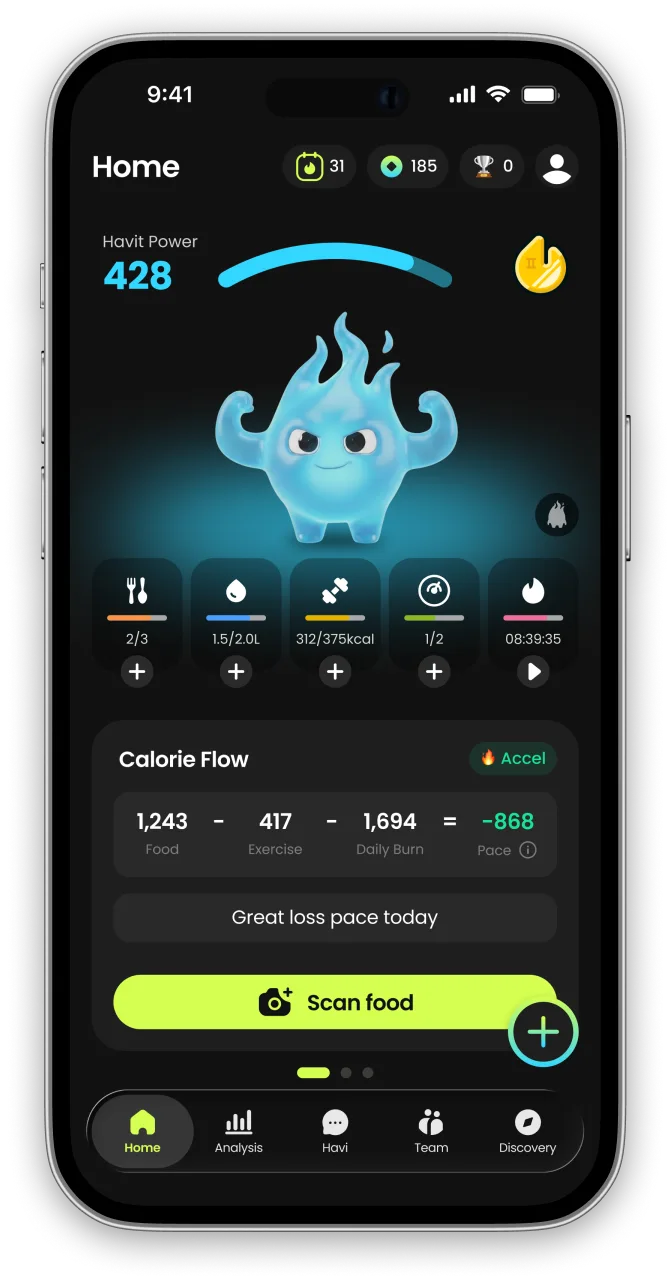
What is Havit?
Havit is an AI health companion for weight loss that protects muscle.
Unlike calorie-only trackers, Havit connects AI body-composition estimates, nutrition, hydration, sleep, steps, cycle, mood, and GLP-1 medication in one daily routine — so progress is measured by body composition, not just the number on the scale. Daily missions turn established behavior-change techniques into small repeatable actions, drawing on expertise from professionals formerly at Juvis Diet, one of Korea’s leading metabolic clinics.
In Havit’s own analysis of 1,090 GLP-1 users, people who logged consistently built stronger habits than the general user base. Read the GLP-1 Habit Report
Havit works with or without GLP-1 medication. It is a wellness app, not a medical device; body-composition results are estimates.

Continue in the App
Personalized wellness with your own data


References
- ACG Clinical Guideline: Small Intestinal Bacterial Overgrowth — American Journal of Gastroenterology, 2025
- Diagnostic Accuracy of Lactulose Versus Glucose Breath Testing for SIBO — Clinical Gastroenterology and Hepatology, 2024
- Proton Pump Inhibitor Use and Risk of Small Intestinal Bacterial Overgrowth: A Meta-Analysis — Alimentary Pharmacology & Therapeutics, 2023
- Herbal Therapy Is Equivalent to Rifaximin for the Treatment of Small Intestinal Bacterial Overgrowth — Global Advances in Health and Medicine, Johns Hopkins, 2014


