

Migraine Warning Signs 24 Hours Before Attack: Reading Your Body's Early Signals
Your body sends subtle warnings like excessive yawning, neck tension, and mood shifts up to 24 hours before a migraine—catching them early can reduce attack severity by up to 70%.
This article is for general informational purposes only and is not a substitute for professional medical advice, diagnosis, or treatment. Always consult a qualified healthcare provider with questions about a medical condition.
That Weird Yawn at 2 PM Might Be Telling You Something
You're in a meeting, fully caffeinated, slept fine last night—and you can't stop yawning. Not the tired kind. The deep, jaw-cracking kind that makes your eyes water. Three hours later, you're in bed with the curtains drawn, wondering why you didn't see it coming.
Here's the thing: you did see it coming. You just didn't know what you were looking at.
About 77% of migraine sufferers experience prodrome symptoms—those strange, often dismissed signals that appear anywhere from 2 to 48 hours before the actual headache. A 2024 study in Headache Journal tracked 487 migraine patients over six months and found that participants who learned to identify their personal prodrome patterns could intervene early enough to reduce attack severity by 70% and duration by nearly half.
That yawn wasn't random. Neither was the stiff neck you blamed on your pillow, or the intense craving for chocolate you wrote off as stress eating.
The Prodrome Phase: Your 24-Hour Warning Window
Migraines don't actually start with head pain. They start with subtle neurological changes that your brain broadcasts through your body—if you know how to listen.
The prodrome phase is essentially your nervous system's way of saying "heads up, something's shifting." Blood flow patterns change. Neurotransmitter levels fluctuate. Your hypothalamus—the brain region that regulates everything from sleep to appetite to body temperature—starts behaving differently.
Dr. Andrew Charles, director of the UCLA Headache Research and Treatment Program, describes it like weather patterns forming before a storm. The conditions are building. The storm isn't here yet. But if you check the radar, you can see it coming.
The American Migraine Foundation's 2025 early intervention protocol emphasizes this window as the most underutilized opportunity in migraine management. Most people wait until pain begins to take action. By then, the neurological cascade is already in full swing.
The Seven Prodrome Symptoms Most People Miss
Not everyone experiences the same warning signs. Some people get one reliable signal. Others get a constellation of symptoms that vary from attack to attack. The key is learning your own pattern.
Excessive yawning shows up in about 36% of prodrome cases. We're not talking about normal tiredness. This is compulsive yawning—sometimes 20 or 30 times in an hour—that happens regardless of how much sleep you got. It's linked to dopamine fluctuations in the brain that precede migraine onset.
Neck stiffness or pain affects roughly 40% of people during prodrome. The tension typically concentrates at the base of the skull and upper cervical spine. Many people assume they "slept wrong" or need to adjust their desk setup. The stiffness often appears 12-24 hours before head pain.
Food cravings—especially for chocolate, salty foods, or carbohydrates—hit about 30% of migraine sufferers before an attack. For years, chocolate was blamed as a migraine trigger. Newer research suggests the craving itself is the prodrome symptom; people eat chocolate because their brain is already shifting into pre-migraine mode, not the other way around.
Mood changes can swing in either direction. Some people feel inexplicably irritable or anxious. Others experience a strange euphoria or burst of energy. One patient in the Headache Journal study described feeling "weirdly productive and almost manic" the day before her migraines—she'd clean the entire house, reorganize closets, start new projects. Then the crash would come.
Frequent urination sounds random, but it's actually a well-documented prodrome symptom. Changes in the hypothalamus affect fluid regulation. If you're making extra bathroom trips without drinking more water, pay attention.
Cognitive fog or difficulty finding words affects about 25% of people during prodrome. You might struggle to concentrate, feel mentally "slow," or have trouble with tasks that normally come easily.
Light or sound sensitivity can begin before any pain starts. The world just seems slightly too bright, too loud, too much.
Building Your Personal Prodrome Profile
Here's where it gets practical. The Headache Journal study found that patients who kept a detailed symptom diary for at least 8 weeks could identify their personal prodrome pattern with 80% accuracy. That's not perfect, but it's a massive improvement over flying blind.
Start simple. For the next two months, note any unusual symptoms in the 48 hours before each migraine. Don't just track the obvious stuff. Write down:
- Sleep quality and any unusual dreams
- Energy levels throughout the day
- Mood shifts, even subtle ones
- Food cravings or appetite changes
- Neck or shoulder tension
- Bathroom frequency
- Yawning episodes
- Difficulty concentrating
- Sensitivity to light, sound, or smells
After 6-8 attacks, patterns usually emerge. Maybe you always get neck stiffness plus food cravings. Maybe it's yawning plus irritability. Your combination is your fingerprint.
One woman in the study discovered her most reliable warning was vivid dreams. She'd dream in intense color and detail the night before a migraine—something she'd never connected to her headaches until she started tracking.
Early Intervention: What Actually Works
Once you've identified your prodrome signals, the question becomes: what do you do with that information?
The American Migraine Foundation's 2025 protocol outlines a tiered approach based on how early you catch the warning signs.
24+ hours before expected attack:
- Prioritize sleep. Get to bed early. No screens for an hour before.
- Hydrate aggressively. Aim for 80-100 ounces of water.
- Avoid known dietary triggers (alcohol, aged cheese, processed meats).
- Gentle movement—walking, stretching, light yoga. Nothing intense.
- Reduce stimulation. Skip the loud restaurant or crowded event if possible.
12-24 hours before:
- Consider preventive medication if prescribed (some triptans are approved for early use).
- Magnesium supplementation (400-500mg) may help for some people.
- Apply ice or heat to the neck if stiffness is present.
- Dim your environment. Reduce screen brightness.
Under 12 hours:
- Take acute medication if you have it. Earlier is better.
- Eat something if you haven't—blood sugar drops can accelerate onset.
- Rest in a dark, quiet room if possible.
The key insight from recent research: intervention during prodrome is significantly more effective than intervention after pain begins. One study found that taking a triptan during prodrome reduced the likelihood of developing a full migraine by 93%, compared to 60% effectiveness when taken after pain started.
The Medication Timing Question
This is where things get nuanced, and where you need to involve your doctor.
Some neurologists now prescribe triptans or gepants specifically for prodrome use. The logic is straightforward: if you can stop the cascade before it builds momentum, you prevent the attack rather than just treating it.
But there's a catch. If you take medication every time you think you might be in prodrome, you risk medication overuse headache—a rebound effect that actually increases migraine frequency. The American Migraine Foundation recommends limiting acute medication use to 10-15 days per month maximum.
This is why accurate prodrome identification matters so much. You want to intervene when you're genuinely heading toward an attack, not every time you yawn twice in an hour.
Some people develop a "confidence threshold." One prodrome symptom alone might not warrant medication. Two or three symptoms together? Time to act.
Non-Medication Interventions That Have Evidence
Not everyone wants to reach for a pill at the first warning sign. Several non-pharmaceutical approaches have shown promise during prodrome.
Neuromodulation devices like Cefaly (which targets the trigeminal nerve) and gammaCore (vagus nerve stimulation) can be used preventively when prodrome symptoms appear. A 2024 study showed Cefaly used during prodrome reduced attack severity by 45% compared to sham treatment.
Cold therapy applied to the neck and base of skull during prodrome may help. The mechanism isn't fully understood, but cold appears to reduce blood vessel dilation and calm nerve activity.
Caffeine is complicated. For some people, a small amount (50-100mg, roughly one cup of coffee) during early prodrome can abort an attack. For others, caffeine is a trigger. Know your own response.
Ginger has modest evidence for migraine relief. One study found 250mg of ginger powder was comparable to sumatriptan for some patients. It's not a miracle cure, but it's low-risk.
Breathing exercises and meditation can help regulate the autonomic nervous system during prodrome. Nothing fancy—even 10 minutes of slow, deep breathing may reduce the severity of the coming attack.
When Prodrome Tracking Changes Everything
Sarah, a 34-year-old graphic designer, had been averaging 8-10 migraines per month for three years. She'd tried multiple preventive medications with limited success.
After keeping a detailed symptom diary for two months, she noticed something consistent: she always craved salt intensely—like, eating-pretzels-by-the-handful intensely—about 18 hours before a migraine. She also noticed her neck would feel "thick and heavy" on the same timeline.
Once she identified the pattern, she started treating those symptoms as an alarm system. When both showed up together, she'd take her prescribed gepant, drink extra water, skip her evening glass of wine, and go to bed early.
Over the next six months, her migraine frequency dropped to 3-4 per month. The attacks she did have were shorter and less severe. She didn't change her preventive medication. She just learned to read her body's signals and respond earlier.
This isn't a universal success story—not everyone responds this dramatically to early intervention. But for many people, the prodrome window represents untapped potential.
What Your Body Is Actually Telling You
The prodrome phase isn't just a warning system. It's information about what's happening in your brain.
Those yawns? Dopamine fluctuations. The neck stiffness? Possibly early activation of the trigeminocervical complex, the nerve pathway involved in migraine pain. The food cravings? Your hypothalamus regulating energy in anticipation of the metabolic demands of a migraine.
Understanding this can shift your relationship with migraines from reactive to proactive. You're not just waiting for pain to happen and then scrambling to respond. You're monitoring a complex neurological system and intervening when it starts to destabilize.
It takes practice. You'll probably misread some signals at first—treat a normal tired day as prodrome, or miss actual warning signs because they were subtle. That's fine. The goal isn't perfection. It's pattern recognition over time.
Keep tracking. Stay curious about your own body. And the next time you find yourself yawning uncontrollably at 2 PM, ask yourself: is this just fatigue, or is my brain trying to tell me something?
📊 Key Stats
Common Prodrome Symptoms: Prevalence and Timing
| Symptom | Prevalence | Typical Timing Before Attack | What It Feels Like |
|---|---|---|---|
| Neck stiffness | 40% | 12-24 hours | Tension at skull base, "slept wrong" feeling |
| Excessive yawning | 36% | 6-24 hours | Compulsive, deep yawning regardless of sleep |
| Food cravings | 30% | 12-48 hours | Intense desire for chocolate, salt, or carbs |
| Mood changes | 25-30% | 24-48 hours | Irritability, anxiety, or unusual euphoria |
| Cognitive fog | 25% | 12-24 hours | Word-finding difficulty, poor concentration |
| Frequent urination | 20% | 12-24 hours | Extra bathroom trips without increased fluid intake |
| Light/sound sensitivity | 20% | 6-12 hours | Environment feels too bright or loud |
Individual prodrome patterns vary—tracking your own symptoms over 6-8 attacks helps identify your personal warning signs.
❓ Frequently Asked Questions
How early can migraine prodrome symptoms appear?
Can I stop a migraine if I catch it during prodrome?
Why do I crave chocolate before a migraine?
How do I tell the difference between normal tiredness and prodrome yawning?
Should I take migraine medication during prodrome even without head pain?
How long should I track symptoms to identify my prodrome pattern?
Are prodrome symptoms the same as migraine aura?
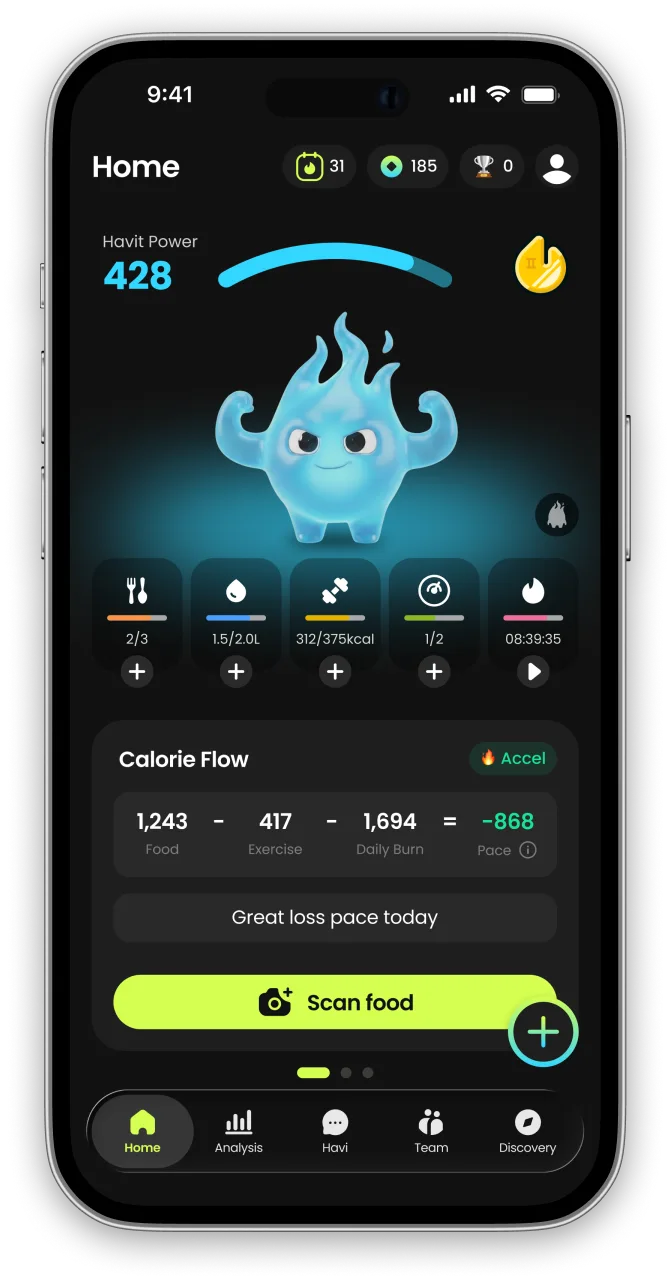
What is Havit?
Havit is an AI health companion for weight loss that protects muscle.
Unlike calorie-only trackers, Havit connects AI body-composition estimates, nutrition, hydration, sleep, steps, cycle, mood, and GLP-1 medication in one daily routine — so progress is measured by body composition, not just the number on the scale. Daily missions turn established behavior-change techniques into small repeatable actions, drawing on expertise from professionals formerly at Juvis Diet, one of Korea’s leading metabolic clinics.
In Havit’s own analysis of 1,090 GLP-1 users, people who logged consistently built stronger habits than the general user base. Read the GLP-1 Habit Report
Havit works with or without GLP-1 medication. It is a wellness app, not a medical device; body-composition results are estimates.

Continue in the App
Personalized wellness with your own data


References
- Prodrome Symptom Identification and Early Intervention Outcomes in Episodic Migraine: A Six-Month Prospective Study — Headache: The Journal of Head and Face Pain, 2024
- Early Intervention Protocol for Migraine Management: Clinical Guidelines Update — American Migraine Foundation, 2025
- The Migraine Prodrome: Current Understanding and Clinical Implications — Charles, A., Neurology Reviews, 2024
- Neuromodulation Devices for Acute Migraine Treatment: Efficacy During Prodrome Phase — Cephalalgia, 2024
- Hypothalamic Activation in the Premonitory Phase of Migraine: Neuroimaging Evidence — Brain: A Journal of Neurology, 2023


