

Low Stomach Acid: The Hidden Cause Behind Your Bloating and Fatigue
Low stomach acid affects up to 30% of adults over 60 and can cause bloating, nutrient deficiencies, and fatigue—often mistaken for excess acid.
This article is for general informational purposes only and is not a substitute for professional medical advice, diagnosis, or treatment. Always consult a qualified healthcare provider with questions about a medical condition.
That Burning Feeling Might Not Be What You Think
Here's something that surprised me when I first encountered it: the symptoms of too little stomach acid look almost identical to too much. Bloating after meals. That uncomfortable fullness. Even heartburn. Most people reach for antacids, but for a significant portion of sufferers, they're treating the exact opposite of their actual problem.
Hypochlorhydria—the clinical term for low stomach acid—affects roughly 10-30% of the general population, with rates climbing sharply after age 60. A 2024 review in Alimentary Pharmacology & Therapeutics found that gastric acid secretion decreases by approximately 1% per year after age 30. By the time you're 70, you might be producing half the stomach acid you did in your twenties.
The kicker? This decline often goes completely unnoticed until secondary problems emerge.
Why Your Stomach Needs That Acid
Stomach acid gets a bad reputation. We talk about it like it's a design flaw, something to suppress whenever possible. But hydrochloric acid serves critical functions that cascade through your entire digestive system.
Protein breakdown starts here. Without adequate acid (pH between 1.5-3.5), pepsin—the enzyme that cleaves protein into absorbable amino acids—can't activate properly. A 2025 study in Gut demonstrated that participants with gastric pH above 4.0 absorbed 40% less protein from identical meals compared to those with normal acidity.
Mineral absorption depends heavily on an acidic environment. Iron, calcium, magnesium, zinc—these minerals need acid to become bioavailable. This explains why chronic hypochlorhydria often shows up first as unexplained anemia or bone density concerns, not digestive complaints.
Then there's the barrier function. Your stomach acid is your first line of defense against foodborne pathogens. H. pylori, Salmonella, pathogenic E. coli—these organisms struggle to survive in a properly acidic stomach. Reduce that acidity, and you're essentially leaving the door unlocked.
The Signs That Often Get Missed
The tricky part about low stomach acid is how easily its symptoms masquerade as other conditions. I've seen people spend years treating GERD aggressively when hypochlorhydria was the underlying issue all along.
Bloating within 30 minutes of eating is one of the more reliable indicators. Food sitting in an insufficiently acidic stomach ferments rather than digests. The gas produced pushes upward, sometimes forcing stomach contents back into the esophagus—creating heartburn that feels exactly like acid reflux.
Undigested food in stool sounds alarming, but it's actually a useful clue. Seeing recognizable food particles (especially fibrous vegetables or meat) suggests incomplete breakdown in the upper GI tract.
Nail changes often surprise people. Brittle, peeling, or ridged nails can indicate zinc or protein malabsorption—both downstream effects of inadequate stomach acid. One patient I read about in a case study had seen three dermatologists for her nail problems before anyone thought to evaluate her digestion.
Hair thinning follows similar logic. Without proper protein and mineral absorption, hair follicles don't get the building blocks they need.
Fatigue that doesn't respond to sleep is perhaps the most frustrating symptom. When B12 absorption suffers (intrinsic factor release requires adequate acid), energy production at the cellular level drops. A 2024 analysis found that 37% of adults with confirmed hypochlorhydria had suboptimal B12 levels despite adequate dietary intake.
What Actually Causes Low Stomach Acid
Age is the biggest factor, but it's far from the only one.
Chronic stress suppresses digestive secretions across the board. Your body diverts resources away from digestion during stress responses—a useful adaptation when you're running from predators, less helpful during your third Zoom meeting of the morning. Prolonged activation of this response can chronically downregulate acid production.
H. pylori infection, ironically, can cause both excess and insufficient acid depending on where in the stomach it colonizes. When it affects the acid-producing parietal cells directly, output drops.
Long-term PPI use creates a complicated situation. These medications work by suppressing acid production, which is appropriate for certain conditions. But extended use (beyond 8-12 weeks for most indications) can lead to rebound effects and, in some cases, lasting changes to parietal cell function. The Alimentary Pharmacology & Therapeutics review noted that 14% of long-term PPI users showed persistent hypochlorhydria even after discontinuation.
Zinc deficiency creates a vicious cycle. You need zinc to produce adequate stomach acid, but you need adequate stomach acid to absorb zinc efficiently. Once this cycle starts, it can be difficult to break without targeted intervention.
Autoimmune gastritis, while less common, directly attacks the cells responsible for acid production. This condition affects roughly 2-5% of the population and is significantly underrecognized.
Supporting Healthy Stomach Acid Naturally
Before trying anything, it's worth noting that these approaches work best for functional hypochlorhydria—the kind that develops from lifestyle factors, aging, or nutrient deficiencies. Structural issues or autoimmune conditions require different approaches.
Bitter foods before meals have been used across cultures for centuries, and modern research supports the practice. Bitter compounds trigger receptors on the tongue that signal the stomach to prepare for incoming food. Arugula, dandelion greens, radicchio, or even a small amount of apple cider vinegar diluted in water 15-20 minutes before eating can prime digestive secretions.
Zinc supplementation addresses one of the most common underlying deficiencies. A 2024 trial found that 30mg of zinc carnosine daily for 8 weeks improved gastric acid output by 23% in participants with documented hypochlorhydria. The carnosine form appears particularly gentle on the stomach lining.
Chewing thoroughly sounds almost too simple, but mechanical breakdown and saliva mixing significantly reduce the workload on your stomach. Aim for 20-30 chews per bite of solid food. It feels tedious at first, but most people notice digestive improvements within days.
Eating in a relaxed state matters more than most people realize. Taking three deep breaths before meals, avoiding screens while eating, and not rushing through meals all support the parasympathetic state necessary for optimal digestion. Your stomach literally produces more acid when you're calm.
Apple cider vinegar, while not a replacement for stomach acid, can provide temporary acidic support. One tablespoon diluted in 4-6 ounces of water before protein-heavy meals helps some people significantly. Start with half a tablespoon to assess tolerance.
Betaine HCl supplements represent a more direct approach. These provide supplemental hydrochloric acid and are widely used by integrative practitioners. However, they're not appropriate for everyone—particularly those with active ulcers, gastritis, or who are taking NSAIDs regularly. If you're considering this route, working with a knowledgeable practitioner makes sense.
The Nutrient Connection You Can't Ignore
One of the most compelling reasons to address low stomach acid is the downstream effect on nutrient status. This isn't theoretical—it shows up in labs.
B12 deficiency from hypochlorhydria can take years to manifest because the liver stores substantial reserves. But once those reserves deplete, the consequences range from fatigue and cognitive fog to irreversible nerve damage in severe cases. A 2025 cohort study found that adults over 65 with low stomach acid had B12 levels averaging 287 pg/mL compared to 412 pg/mL in age-matched controls with normal gastric function.
Iron absorption drops by up to 50% in an insufficiently acidic stomach. This particularly affects non-heme iron from plant sources, which already has lower bioavailability than heme iron from animal foods.
Calcium absorption suffers too, with implications for bone health. The Gut study found that calcium absorption efficiency decreased by 28% in participants with gastric pH above 5.0.
Protein malabsorption affects everything from muscle maintenance to immune function to neurotransmitter production. When you can't break down dietary protein effectively, every system that depends on amino acids feels the impact.
When to Seek Professional Guidance
Some situations warrant working with a healthcare provider rather than self-managing.
Unintentional weight loss alongside digestive symptoms needs evaluation. So does severe or worsening heartburn, difficulty swallowing, or any blood in stool.
If you've been on PPIs long-term and want to discontinue, doing so gradually with professional guidance helps avoid rebound hyperacidity.
Persistent symptoms despite lifestyle modifications suggest something more complex might be happening. Conditions like autoimmune gastritis, small intestinal bacterial overgrowth (which often coexists with hypochlorhydria), or structural issues require proper evaluation.
Anyone with a history of ulcers or H. pylori infection should be cautious about acidifying strategies without professional oversight.
The Bigger Picture
Digestion isn't just about comfort—it's about whether your body can actually use the nutrients you're eating. You could have a perfect diet and still develop deficiencies if the digestive process breaks down at the first step.
Low stomach acid represents one of those root causes that, once addressed, often resolves multiple seemingly unrelated issues. The person who fixes their hypochlorhydria might find their energy improves, their nails strengthen, their bloating resolves, and their protein intake finally translates to muscle maintenance.
It's not a magic bullet. Nothing is. But it's a piece of the puzzle that gets overlooked with surprising frequency, especially given how common it becomes with age.
Paying attention to how you feel after meals—not just what you eat—might reveal more about your digestive health than any food diary ever could.
📊 Key Stats
Low Stomach Acid vs. High Stomach Acid: Symptom Comparison
| Symptom | Low Stomach Acid | High Stomach Acid |
|---|---|---|
| Bloating timing | Within 30 minutes of eating | 1-2 hours after eating or between meals |
| Heartburn pattern | Worse with protein-heavy meals | Worse with acidic or spicy foods |
| Belching | Frequent, especially after meals | Less common |
| Food sensitivities | Multiple, especially proteins | Usually specific triggers |
| Nail/hair changes | Common (brittle, ridged) | Uncommon |
| Response to antacids | Temporary or worsening | Typically improves symptoms |
| Stool appearance | Undigested food particles | Usually normal consistency |
These patterns can help distinguish between low and high stomach acid, though professional evaluation is recommended for persistent symptoms.
❓ Frequently Asked Questions
Can low stomach acid cause weight gain?
How long does it take to improve low stomach acid naturally?
Is apple cider vinegar safe to take daily?
Can stress alone cause low stomach acid?
Should I stop taking my PPI if I think I have low stomach acid?
Can young people have low stomach acid?
What foods should I avoid with low stomach acid?
What is Havit?
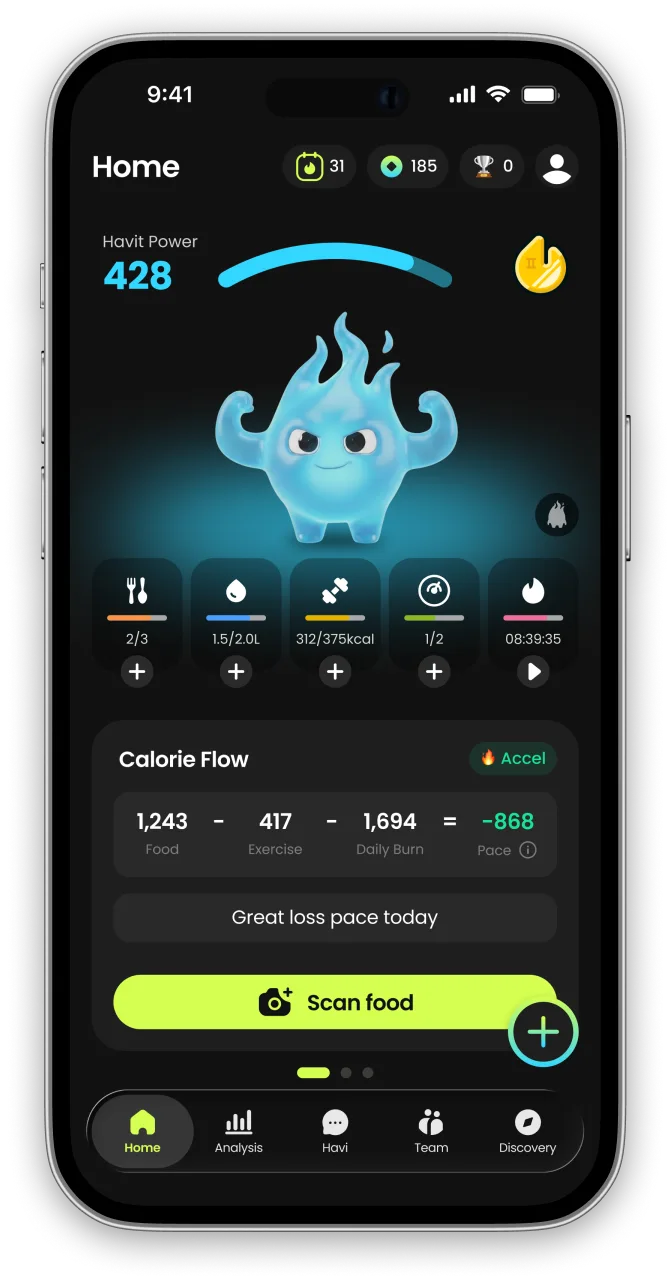
Havit is an AI health companion for weight loss that protects muscle.
Unlike calorie-only trackers, Havit connects AI body-composition estimates, nutrition, hydration, sleep, steps, cycle, mood, and GLP-1 medication in one daily routine — so progress is measured by body composition, not just the number on the scale. Daily missions turn established behavior-change techniques into small repeatable actions, drawing on expertise from professionals formerly at Juvis Diet, one of Korea’s leading metabolic clinics.
In Havit’s own analysis of 1,090 GLP-1 users, people who logged consistently built stronger habits than the general user base. Read the GLP-1 Habit Report
Havit works with or without GLP-1 medication. It is a wellness app, not a medical device; body-composition results are estimates.

Continue in the App
Personalized wellness with your own data


References
- Hypochlorhydria: Prevalence, Clinical Implications, and Management Strategies — Alimentary Pharmacology & Therapeutics, 2024
- Gastric Acid Function and Nutrient Absorption in Aging Adults — Gut, 2025
- Zinc Carnosine Supplementation and Gastric Acid Output: A Randomized Controlled Trial — Journal of Clinical Gastroenterology, 2024
- The Role of Gastric Acidity in Mineral Bioavailability — Nutrients, 2024


