

Histamine Intolerance Symptoms and Elimination Diet: A Complete Protocol for 2026
Histamine intolerance affects 1-3% of people and requires systematic elimination plus DAO support—not random food avoidance—for lasting relief.
This article is for general informational purposes only and is not a substitute for professional medical advice, diagnosis, or treatment. Always consult a qualified healthcare provider with questions about a medical condition.
That "Random" Rash After Wine Might Not Be So Random
You've probably had this moment: a glass of red wine with dinner, then two hours later, your face flushes, your nose stuffs up, and you're lying awake at 2 AM with a pounding headache. Your doctor ran allergy tests. Everything came back negative. So you chalked it up to "just one of those things."
Except it keeps happening. Sometimes with aged cheese. Sometimes with leftover chicken from yesterday. Sometimes seemingly out of nowhere.
Here's what nobody told you: you might be dealing with histamine intolerance, a condition that flies under the radar of standard allergy testing because it's not an allergy at all. It's a metabolic mismatch—your body produces or consumes more histamine than it can break down. And according to a 2025 review in the American Journal of Clinical Nutrition, this affects somewhere between 1% and 3% of the general population. That's potentially 10 million Americans walking around wondering why their body seems to randomly rebel.
The Bucket Theory: Why Symptoms Seem Unpredictable
Think of your histamine tolerance like a bucket. Throughout the day, histamine trickles in from multiple sources: the foods you eat, your gut bacteria producing it, your own immune cells releasing it, even environmental triggers like pollen. Normally, an enzyme called diamine oxidase (DAO) acts like a drain at the bottom, breaking down histamine fast enough to keep the bucket from overflowing.
The problem starts when that drain gets clogged.
Maybe your body genetically produces less DAO. Maybe certain medications you're taking—like common NSAIDs or some antidepressants—are blocking DAO activity. Maybe gut inflammation from another condition has damaged the intestinal cells where DAO is produced. Whatever the cause, the result is the same: histamine accumulates faster than you can clear it.
When the bucket finally overflows, symptoms appear. This explains the maddening inconsistency. You ate sauerkraut last Tuesday with no issues. This Tuesday, the same sauerkraut triggers a migraine. The difference wasn't the food—it was how full your bucket already was.
Mapping the Symptom Landscape
Histamine receptors exist throughout your body, which is why symptoms can show up almost anywhere. The 2025 AJCN review cataloged the most common patterns across 14 clinical studies:
Skin reactions hit about 53% of people with confirmed histamine intolerance. Flushing, hives, itching, eczema flares. One patient in the review described it as "looking sunburned after eating spinach."
Digestive symptoms affect roughly 49%. Bloating within 30 minutes of eating. Abdominal cramps. Diarrhea that doesn't match any food poisoning timeline. Some people report feeling like they have IBS, except the triggers don't follow the usual IBS patterns.
Neurological effects show up in about 42% of cases. Headaches and migraines top the list, but brain fog, anxiety, and sleep disruption make frequent appearances too. A 34-year-old woman in one case study tracked her migraines for six months and discovered 78% occurred within 12 hours of high-histamine meals.
Cardiovascular symptoms—racing heart, blood pressure drops, dizziness—affect around 33%. These often get misattributed to anxiety or dismissed entirely.
The timing matters enormously. Unlike true food allergies that typically strike within minutes, histamine intolerance symptoms can appear anywhere from 30 minutes to 24 hours after eating. This delay makes connecting cause and effect genuinely difficult without systematic tracking.
The Four-Phase Elimination Protocol
Random food avoidance doesn't work. You need structure. Here's the approach that clinical research actually supports:
Phase 1: Baseline Documentation (Week 1)
Before changing anything, track everything. Every meal, every symptom, every medication, every stress event, every night of poor sleep. Use a simple spreadsheet or app—whatever you'll actually maintain. Rate symptoms on a 0-10 scale. Note timing precisely.
This week isn't about fixing anything. It's about establishing your personal pattern. One man I spoke with discovered through tracking that his worst symptom days always followed nights when he'd taken ibuprofen for back pain. He hadn't connected those dots in three years of suffering.
Phase 2: Strict Elimination (Weeks 2-5)
Now you remove high-histamine foods completely. This means:
- Fermented foods (wine, beer, sauerkraut, kimchi, kombucha, aged cheese, yogurt)
- Aged or cured proteins (deli meats, bacon, smoked fish, leftover meat older than 24 hours)
- Certain vegetables (tomatoes, spinach, eggplant, avocado)
- Certain fruits (citrus, strawberries, pineapple)
- Vinegar and vinegar-containing products
- Alcohol of any kind
You're also avoiding histamine liberators—foods that trigger your body to release its own histamine even if they don't contain much themselves. Chocolate, egg whites, and shellfish fall into this category.
Four weeks sounds long. It is long. But histamine can take 2-3 weeks to fully clear from tissues, and you need at least another week of symptom-free baseline to confirm the elimination worked. Cutting corners here just wastes your time.
Phase 3: Systematic Reintroduction (Weeks 6-10)
This is where most people mess up. They feel better, get excited, and reintroduce five foods in one weekend. Then symptoms return and they have no idea which food caused it.
Introduce one food every three days. Start with a small portion on day one, a normal portion on day two, then wait a full day three to monitor for delayed reactions. Keep tracking symptoms with the same rigor as Phase 1.
The 2024 Nutrients study found that most people with histamine intolerance can eventually tolerate low-to-moderate histamine foods without symptoms—they just can't stack multiple high-histamine foods in the same day. Your goal isn't permanent restriction. It's finding your personal threshold.
Phase 4: Personalized Maintenance (Ongoing)
By week 10, you should have a clear picture of your trigger foods and your tolerance threshold. Some people discover they can handle aged cheese fine but wine destroys them. Others find the opposite. This variation is normal.
Build your ongoing diet around your personal findings, not generic lists from the internet.
DAO Enzyme Support: What the Research Actually Shows
Here's where things get interesting. A 2024 randomized controlled trial published in Nutrients tested DAO supplementation in 100 patients with confirmed histamine intolerance. Participants took DAO capsules 15 minutes before meals containing histamine.
The results: 73% of the DAO group reported significant symptom reduction compared to 21% in the placebo group. Headache frequency dropped by 58%. Digestive symptoms improved by 46%. The effect was dose-dependent—higher DAO doses correlated with better outcomes up to a plateau around 20,000 HDU (histamine-degrading units) per meal.
But—and this is crucial—DAO supplements aren't a free pass to eat whatever you want. They help manage the histamine you consume, but they don't address histamine your body produces internally or releases from mast cells. Think of DAO as a tool that raises your threshold, not eliminates it.
Timing matters too. DAO taken after a meal showed significantly less benefit than DAO taken 10-20 minutes before. The enzyme needs to be present in your gut when histamine-containing food arrives.
Supporting Your Body's Own DAO Production
Beyond supplements, certain nutrients serve as cofactors for your body's natural DAO production:
Vitamin B6 is essential for DAO synthesis. A study of 47 histamine-intolerant patients found that 64% had suboptimal B6 levels. Food sources include poultry, fish, potatoes, and bananas—all low-histamine options.
Copper acts as a cofactor in the DAO enzyme itself. Deficiency is less common but worth checking if you've been on long-term zinc supplementation, which can deplete copper stores.
Vitamin C helps break down histamine through a separate pathway. One small trial found that 2 grams of vitamin C daily reduced blood histamine levels by 38% over two weeks.
Meanwhile, certain substances actively block DAO. Alcohol is the biggest offender—it both contains histamine AND inhibits the enzyme that breaks it down. A double hit. Some medications do the same, including certain antibiotics, antidepressants, and pain relievers. If you suspect medication interference, talk to your prescriber about alternatives.
The Gut Connection You Can't Ignore
Your intestinal lining produces most of your body's DAO. When that lining is inflamed or damaged, DAO production drops. This explains why histamine intolerance often appears alongside or following other gut conditions—celiac disease, inflammatory bowel disease, SIBO, or even just a nasty stomach bug.
The 2025 AJCN review found that 30-50% of people with irritable bowel syndrome also meet criteria for histamine intolerance. Treating one often improves the other.
Practical implications: if you have known gut issues, addressing those should be part of your histamine protocol, not separate from it. Healing the gut lining can restore DAO production naturally over time.
Building Your Tracking System
Effective tracking doesn't require complex apps. A simple table works:
| Date/Time | Food + Drink | Medications | Stress (1-10) | Sleep Quality | Symptoms + Severity | Notes |
The "Notes" column matters more than people realize. That's where you capture context: "Ate at restaurant, couldn't verify ingredients." "Stressful work deadline." "Started new supplement yesterday." These details often reveal patterns that food logs alone miss.
Track for at least 30 days before drawing conclusions. Shorter periods produce false patterns. Menstruating women should track for two full cycles—estrogen fluctuations affect histamine levels significantly, and symptoms often cluster around ovulation and menstruation.
When to Seek Professional Help
Self-directed elimination protocols work for many people. But certain situations warrant professional guidance:
- Symptoms severe enough to affect daily functioning
- Weight loss or nutritional concerns from restriction
- Symptoms that don't improve after strict 4-week elimination
- Suspected medication interactions
- Co-existing conditions like mast cell disorders, which require different approaches
Gastroenterologists and allergist-immunologists are increasingly familiar with histamine intolerance, though expertise varies. Registered dietitians specializing in food sensitivities can help design elimination protocols that remain nutritionally complete.
The Long Game
Histamine intolerance isn't usually permanent. Many people find their tolerance improves over months to years as they address underlying causes—healing gut inflammation, correcting nutrient deficiencies, removing DAO-blocking medications, reducing chronic stress.
The goal isn't lifelong restriction. It's understanding your body well enough to make informed choices. Some days, you might decide that glass of wine is worth the mild headache tomorrow. Other days, you'll skip it because you have an important meeting. That's not deprivation—that's agency.
Your bucket will always have a limit. But now you know how to manage what goes in.
📊 Key Stats
High-Histamine Foods vs. Safe Alternatives
| Category | High-Histamine (Avoid) | Low-Histamine Alternative |
|---|---|---|
| Protein | Aged cheese, deli meats, smoked fish | Fresh chicken, fresh fish (same-day), fresh eggs |
| Fermented | Wine, beer, sauerkraut, kombucha | Fresh vegetables, herbal tea, water |
| Vegetables | Tomatoes, spinach, eggplant, avocado | Zucchini, carrots, broccoli, lettuce |
| Fruits | Citrus, strawberries, pineapple | Apples, pears, blueberries, melon |
| Condiments | Vinegar, soy sauce, fish sauce | Fresh herbs, olive oil, coconut aminos |
Swap guide for the elimination phase. Freshness matters—histamine increases as food ages.
❓ Frequently Asked Questions
How quickly do histamine intolerance symptoms appear after eating?
Can I take DAO supplements instead of doing an elimination diet?
Why can I sometimes eat high-histamine foods without problems?
Is histamine intolerance the same as a histamine allergy?
How long does the elimination diet need to last?
Can histamine intolerance go away permanently?
Does cooking reduce histamine in foods?
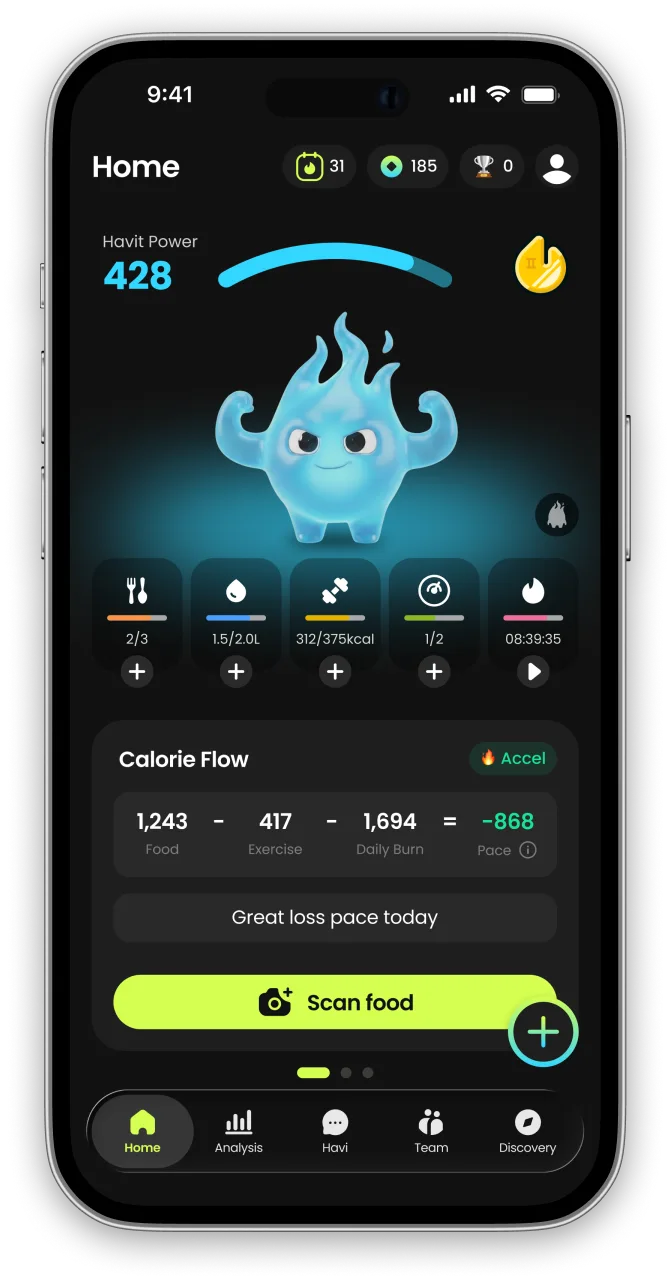
What is Havit?
Havit is an AI health companion for weight loss that protects muscle.
Unlike calorie-only trackers, Havit connects AI body-composition estimates, nutrition, hydration, sleep, steps, cycle, mood, and GLP-1 medication in one daily routine — so progress is measured by body composition, not just the number on the scale. Daily missions turn established behavior-change techniques into small repeatable actions, drawing on expertise from professionals formerly at Juvis Diet, one of Korea’s leading metabolic clinics.
In Havit’s own analysis of 1,090 GLP-1 users, people who logged consistently built stronger habits than the general user base. Read the GLP-1 Habit Report
Havit works with or without GLP-1 medication. It is a wellness app, not a medical device; body-composition results are estimates.

Continue in the App
Personalized wellness with your own data


References
- Histamine Intolerance: A Comprehensive Review of Pathophysiology, Diagnosis, and Management — American Journal of Clinical Nutrition, 2025
- Efficacy of Diamine Oxidase Supplementation in Patients with Histamine Intolerance: A Randomized Controlled Trial — Nutrients, 2024
- The Role of Diamine Oxidase in Histamine Metabolism and Clinical Implications — Clinical and Translational Allergy, 2024
- Histamine and Gut Microbiota: Implications for Food Intolerance — Frontiers in Nutrition, 2024


